The Constitutional Court of the Russian Federation has drawn an important line for marketplaces: a platform is not obliged to pre-verify every product for authenticity, but after a complaint from a rights holder, it can no longer pretend that nothing has happened. If the brand or product owner provides evidence of infringement, the platform must investigate and take action.
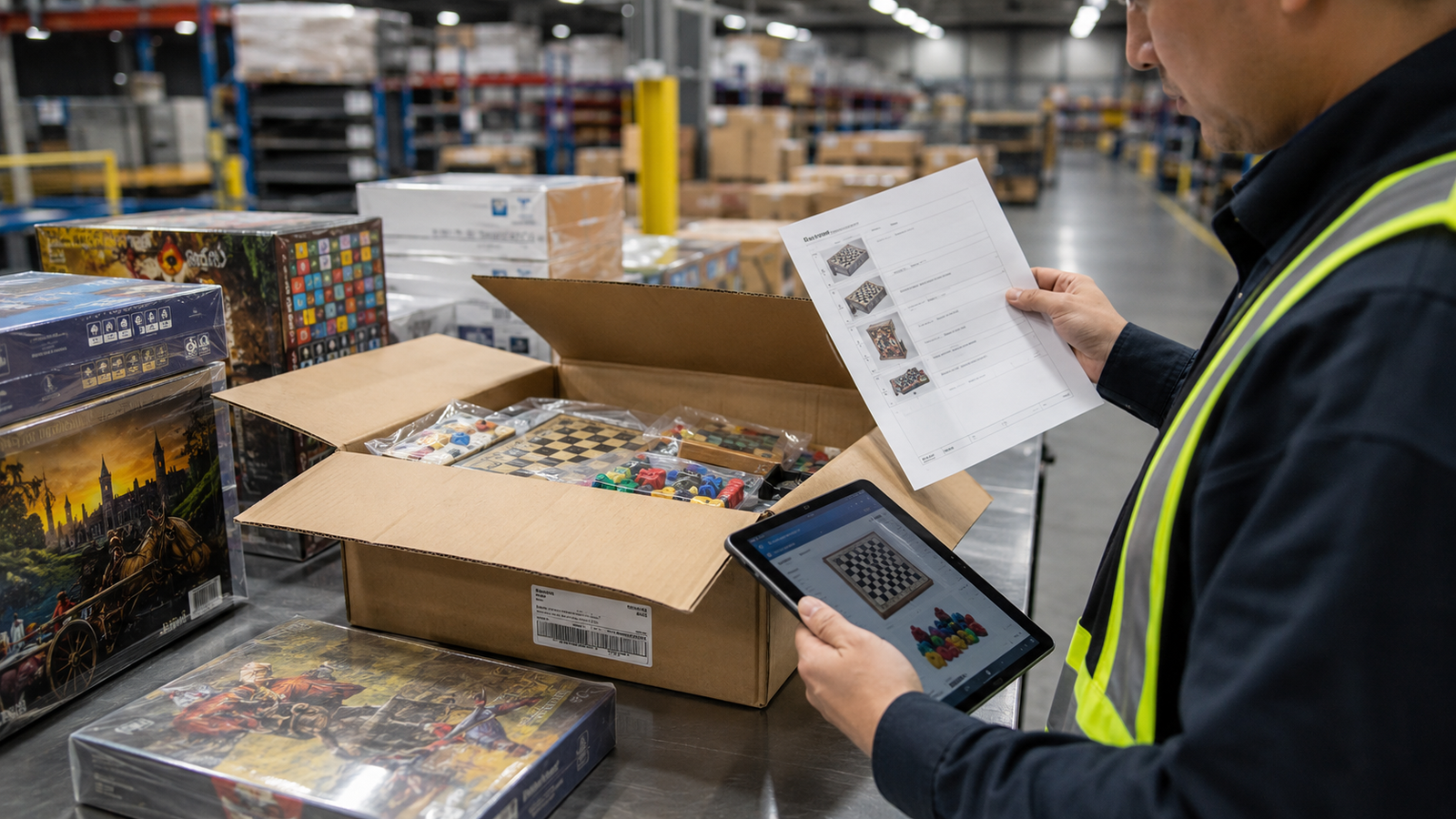
The reason for this was a dispute between the board game manufacturer "Mir Khobbi" and Wildberries. The company discovered fake versions of the game "Mafia. The Whole Family Assembled" on the platform, sent a claim regarding the infringement of exclusive rights, but then went to court because it did not receive the desired reaction from the marketplace.
The Constitutional Court recognized that a marketplace can be an information intermediary. This means that it is not obliged to constantly search for counterfeit goods instead of sellers and rights holders. However, this status does not give the platform complete immunity. After a substantiated complaint, it must examine the documents, request explanations from the seller, and assess the situation.
If there are signs of infringement, the marketplace can suspend the product card, remove the disputed product from sale, or block the seller, especially if the seller has already been caught selling fakes. At the same time, the platform should not replace the court: only a court decision can definitively establish the fact of infringement.
But waiting for a court without doing anything is also unacceptable. The Constitutional Court specifically indicated that blocking product cards only after filing a lawsuit is not considered a timely reaction.
[This] casts doubt on the neutrality of the marketplace owner regarding the committed infringement.
If the complaint is clearly unfounded, the platform may refuse to block, but is obliged to provide a reasoned written response. If the marketplace ignores the evidence, continues to promote the disputed product, or profits from its sale, it risks being held liable together with the seller.
This is an important signal for the market. According to Mikhail Akulov, head of Hobby World, the market for counterfeit board games reached 2 billion rubles in the first half of last year alone, and the budget annually loses about 389 billion rubles in taxes due to fakes.
Wildberries & Russ stated that they are studying the decision of the Constitutional Court and its legal arguments. The company emphasized that a digital platform should not replace the court and independently establish the fact of rights infringement. Ozon reported that for such complaints, they request documents from sellers within three days, and if there is no confirmation or it raises doubts, the card is blocked.
In essence, the Constitutional Court chose a compromise: marketplaces do not turn into investigators for every product, but the position "we are just a storefront" no longer works if the rights holder has already pointed out counterfeits and provided evidence.
Read more on the topic:
- The Russian marketplace market is maturing: goods will be "checked" in 12 registers
- Wildberries turns search into a dialogue: AI assistant will select products for life situations directly in chat
- AI to check marketplace storefronts: Rosaccreditation trains neural network to verify goods against documents
Never miss our newsAdd this site to your preferred sources to see us more oftenAdd on Google

















