Translated with AI from the Russian original.
Roscosmos cosmonauts Sergey Kud-Sverchkov (TASS special correspondent at the ISS) and Sergey Mikaev performed the first spacewalk of 2026 on May 27.
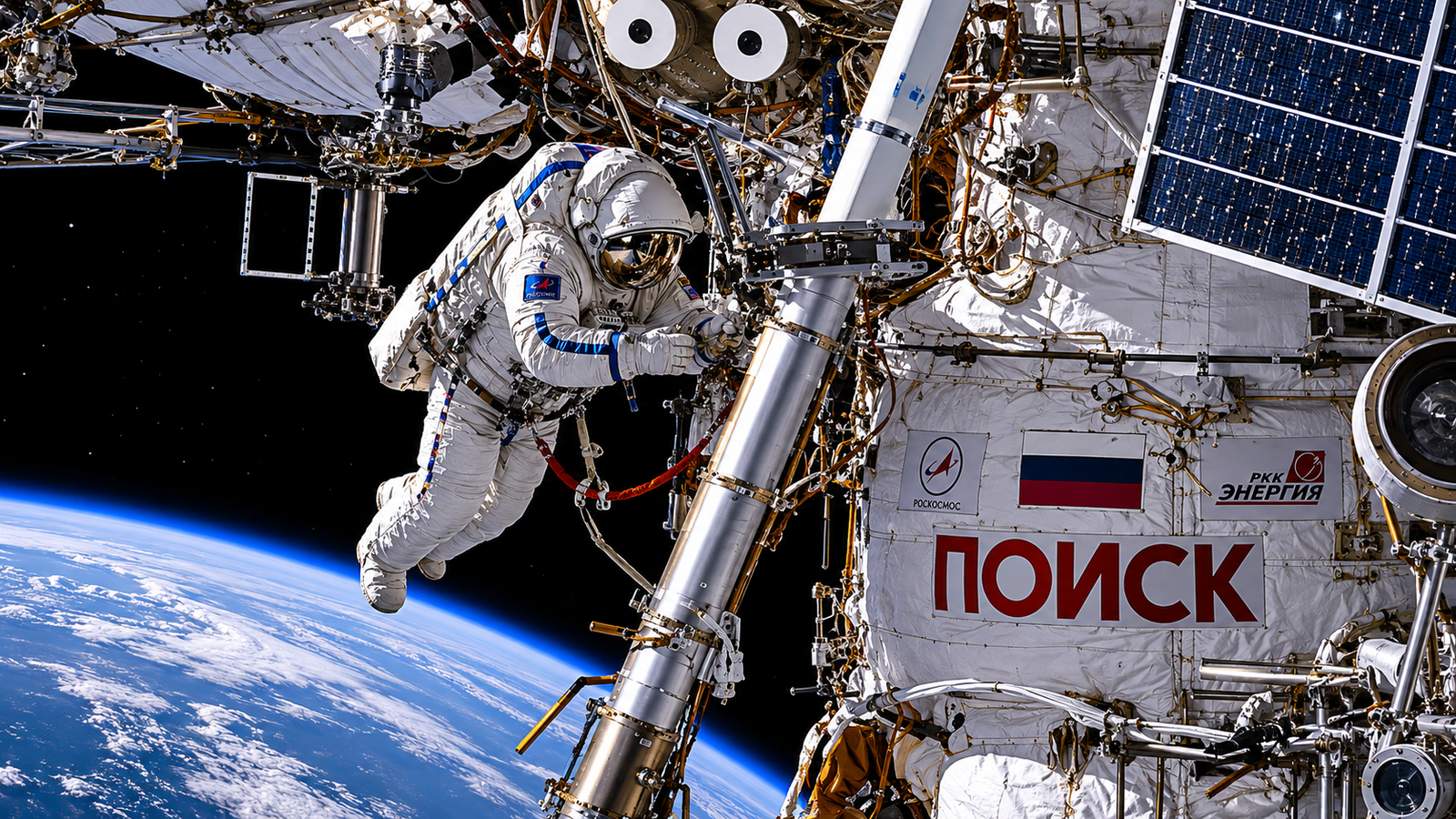
As reported by the state corporation, the estimated duration of extravehicular activity was 5 hours 27 minutes, but specialists actually completed it in 6 hours 6 minutes. The main task was to install the "Solntse-Terahertz" radio telescope on the "Zvezda" module, capable of receiving radiation in a previously unexplored range of the electromagnetic spectrum.
The device will register terahertz radiation from the Sun, which allows studying flare mechanisms, increasing the accuracy of their prediction, and developing a method for early detection of dangerous space objects.
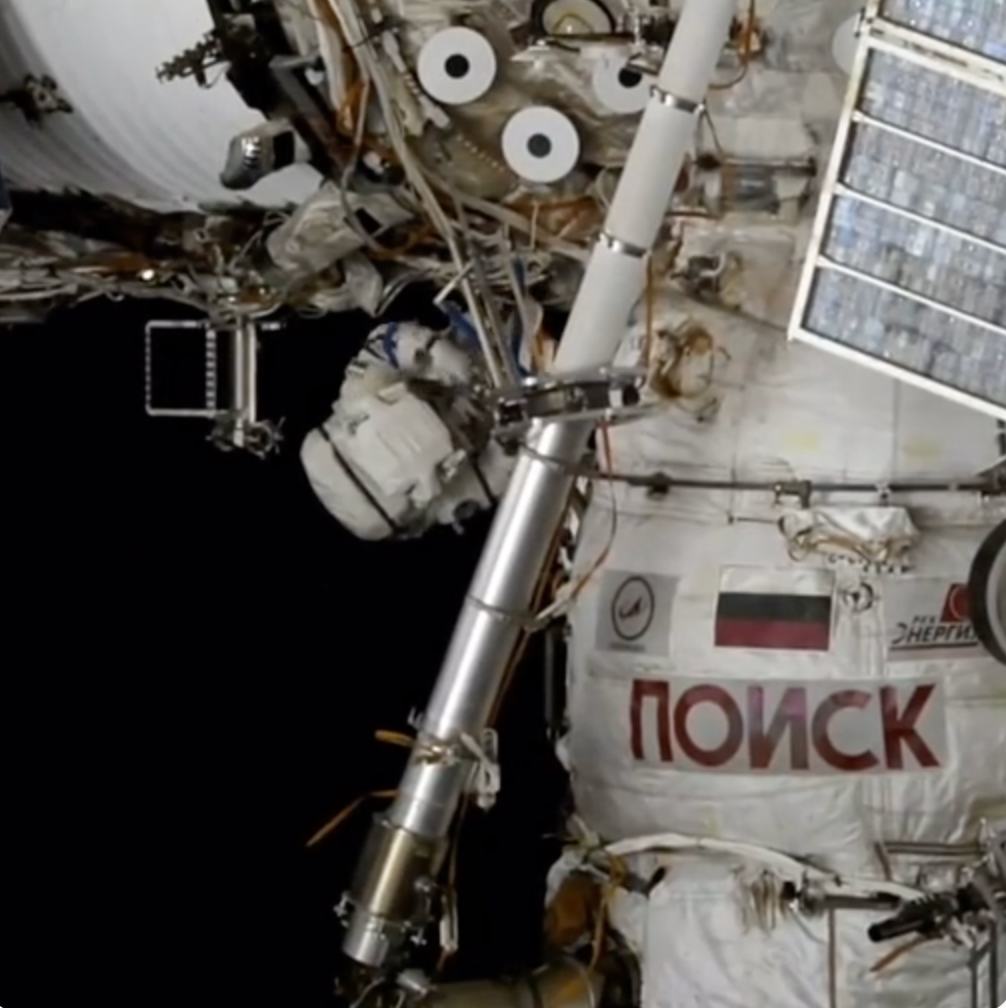
Cosmonauts dismantled the "Ekran-M" experiment cassette from the "Nauka" module, where gallium arsenide crystals – a semiconductor in demand in super-high-frequency electronics – were grown by molecular beam epitaxy under high vacuum and weightlessness conditions. The ERA robotic arm provided operator transportation, transferring a cosmonaut from the "Zvezda" module to "Nauka" for the first time.
The third container of the "Biorisk" experiment, which spent almost five years in open space, was also retrieved from the "Poisk" module. Scientists will have to find out how bacteria, seeds, and crustacean cysts survived years of exposure to vacuum and radiation.
Thus, one spacewalk covered three scientific areas: solar physics, materials science, and astrobiology.
Read more on the topic:
Never miss our newsAdd this site to your preferred sources to see us more oftenAdd on Google

















