A universal dual-band non-directional antenna with horizontal polarization has been developed by scientists at the South Ural State University (SUSU). The equipment can work with any communication standards from 3G to 6G, said the project's author, Svyatoslav Dudarev.
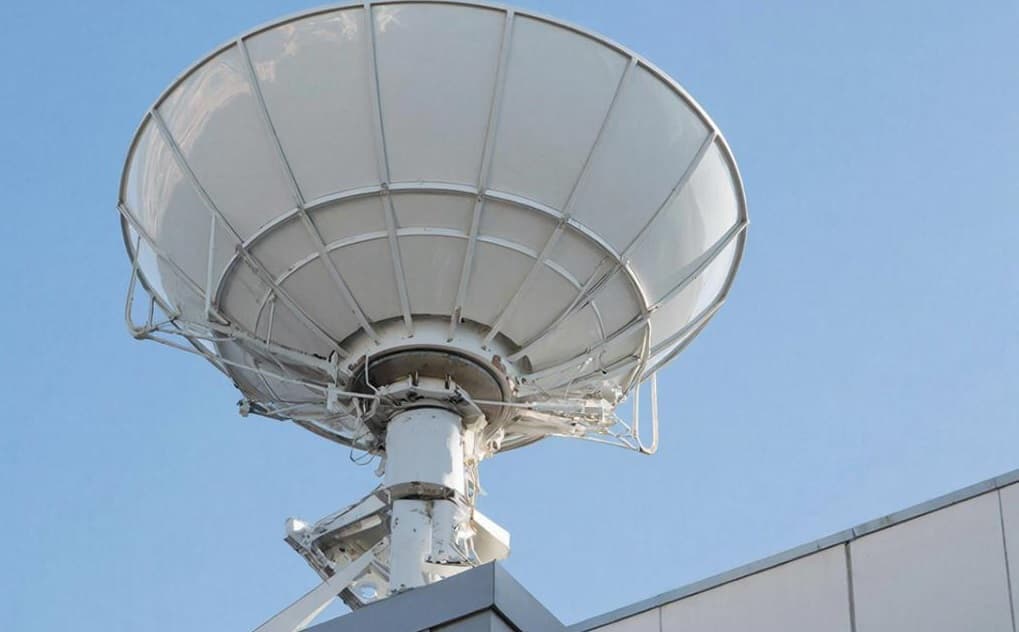
According to him, many modern antennas are only applicable for one task. The development of Ural specialists, by adding modules, quickly changes characteristics and adapts to different tasks.
The use of additional layers allows improving matching with the feeder, increasing cross-polarization, reducing dimensions, and changing electromagnetic characteristics without completely redesigning the project.
The antenna design is based on printed technology using foil dielectrics available in Russia, the scientist explained. The device can be used in the creation of antenna array elements for cellular communication, signal amplification indoors, as well as for IoT systems (the "Internet of Things").
Rospatent has approved the issuance of a patent for the utility model "Multi-layered antenna". Scientists are currently working on creating the first prototypes.
Read more materials on the topic:
- Stable internet will be available on Russian airplanes — the new Efir-600 antenna has passed tests
- The military has created an antenna for drones that is not jammed by electronic warfare
- Antenna posts for the Express-RV satellites have been installed in Zheleznogorsk
Never miss our newsAdd this site to your preferred sources to see us more oftenAdd on Google




![Growth Point: After 5G Launch, Mobile Internet in Russia Accelerated by 20%","subtitle":"TelecomDaily recorded an upload speed increase of 19.7%, and download speed of almost 14%","announce":""}[]}],](https://media.ixbt.site/fit-in/320x/ixbt-data/1727896/ai-image-nvgq0a0v5cjnyxwoc8xpelva.webp)