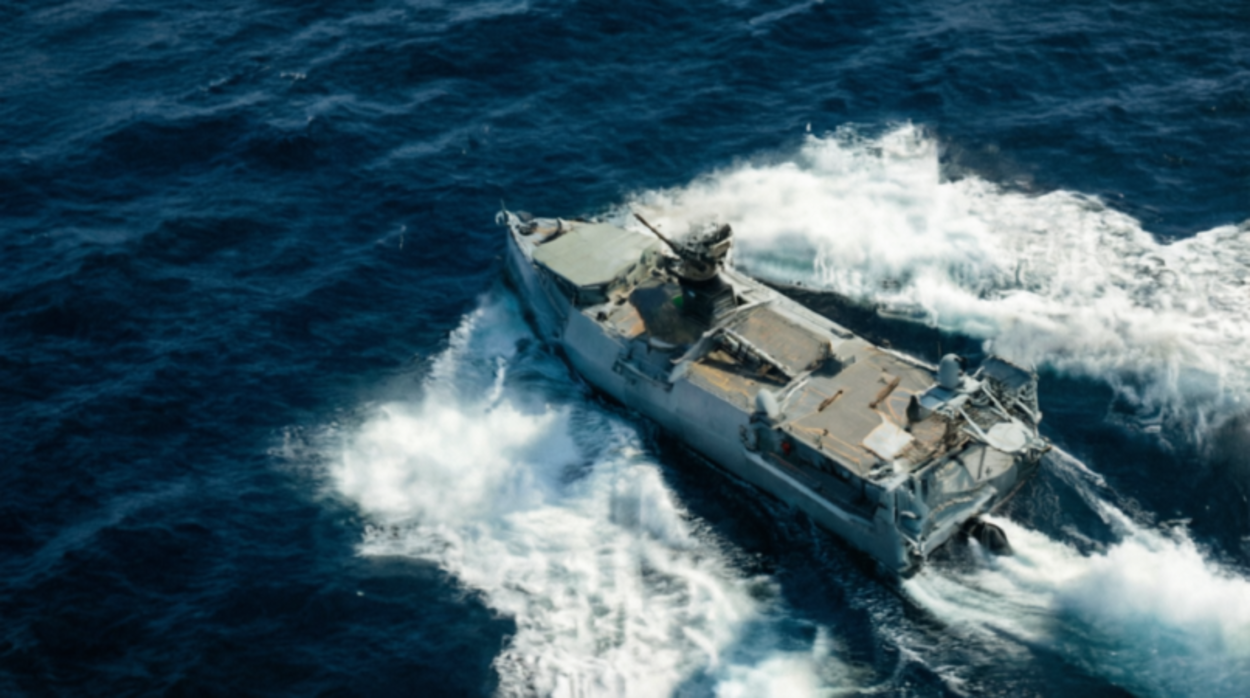
Footage has appeared online showing the Lancet loitering munition engaging a complex naval target. The object was an unmanned boat with a remotely controlled machine gun module installed. This is not a standard explosive platform, but a multifunctional robotic complex capable of returning fire and performing tasks autonomously.
The footage captured the moment of the precise hit: the munition reached the target, taking into account its movement across the water, and struck a key structural node. The filming was conducted by both the optical systems of the Lancet itself and a separate reconnaissance drone, which allowed for detailed documentation of the interception phases.
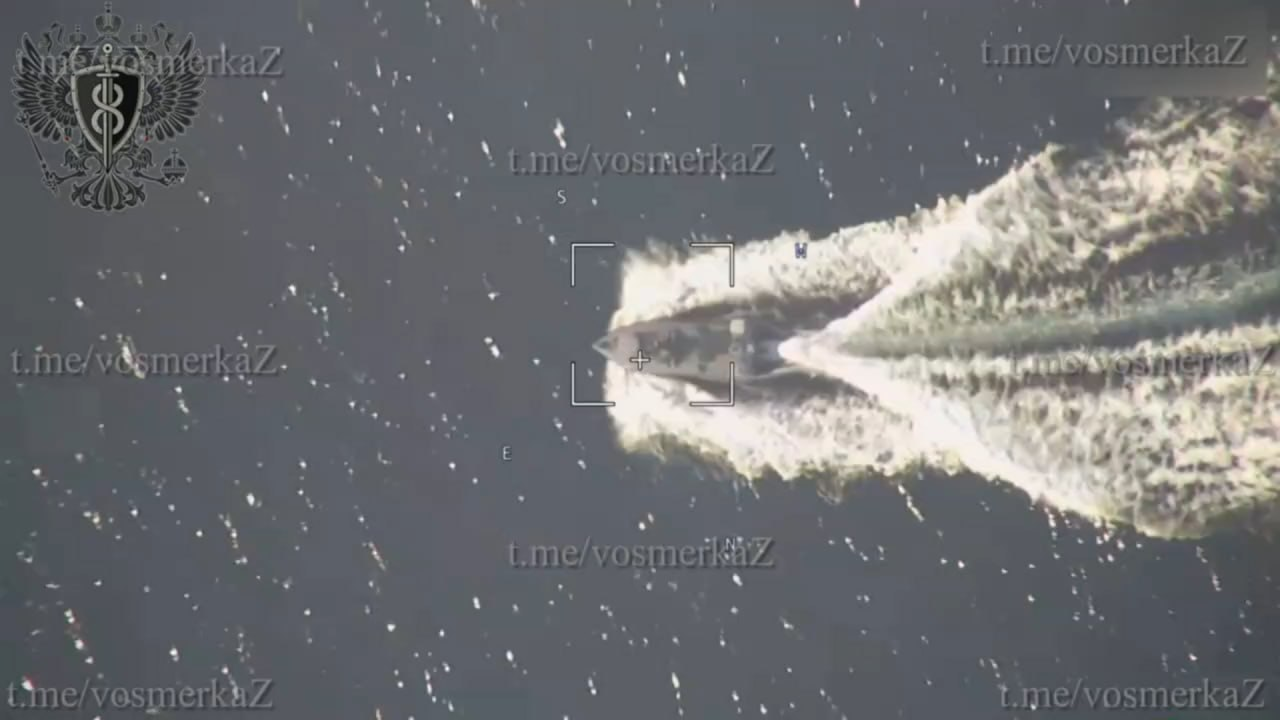
The design of the struck platform is of particular technical interest. In the stern of the boat there is a launch pad for copter-type drones - this expands the capabilities of the complex to a reconnaissance and strike unit. The machine gun mount, integrated into the hull, is controlled remotely and is designed to protect the perimeter, escort other units of equipment or strike.
The Lancet kamikaze drone has demonstrated the ability to engage dynamic naval targets. The guidance system corrects the trajectory in real time, compensating for water disturbances and object maneuvers. The combined-action warhead ensures the destruction of both external elements and internal components of the platform.
Read more on the topic:
Never miss our newsAdd this site to your preferred sources to see us more oftenAdd on Google