The UAE has unveiled the Flkon sports car project, whose official renders echo the design of the Russian Marussia B2 supercar, which debuted in 2009.
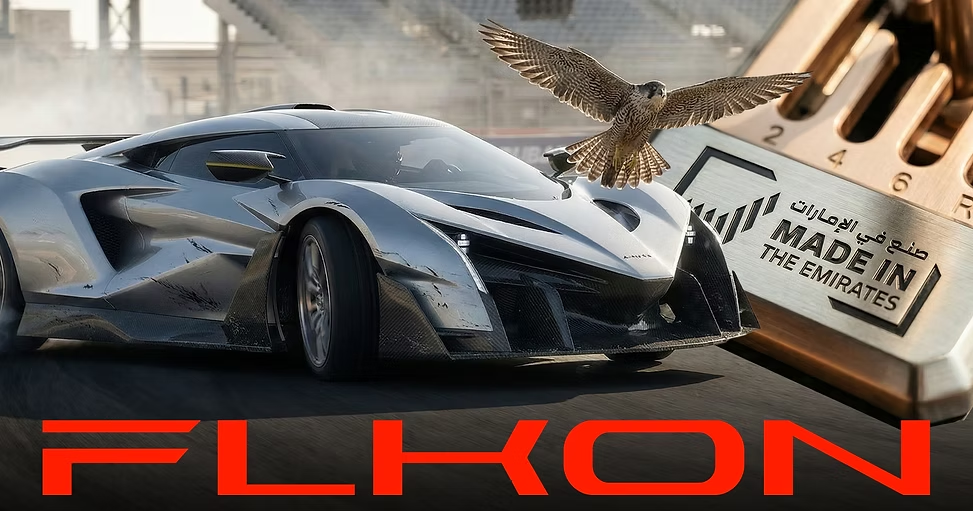
Computer images of the new Flkon model (from the English "falcon") demonstrate stylistic solutions similar to the Marussia B2. The public premiere of the B2 took place in 2009 at the Frankfurt International Motor Show.
According to the stated characteristics, Flkon will receive a multi-link suspension of its own design, an internal combustion engine and a six-speed manual transmission. Production is scheduled to begin after attracting investments of $24 million. The company is ready to pay $500,000 for assistance in finding an investor.
Marussia Motors was founded by TV presenter Nikolai Fomenko and businessman Efim Ostrovsky. Later, Anton Kolesnikov joined the project. The brand name is derived from Fomenko's daughter's name - Marusya.
Read also:
- Revived brand "Volga" is preparing for its official debut: the premiere may take place as early as February 19, 2026
- An alloy of the American automotive industry and Soviet classics: an unusual GAZ-21 "Volga" of 1966 is being sold in Moscow
- "Tank" from the garage: an all-terrain vehicle from the "six" on tracks was put up for sale
Never miss our newsAdd this site to your preferred sources to see us more oftenAdd on Google

















