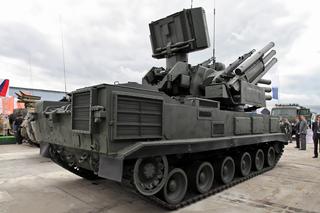
The Russian Armed Forces have begun using Geran strike unmanned aerial vehicles under a new tactical scheme, significantly reducing flight altitude to ultra-low levels. This maneuver is aimed at minimizing the detection zone of modern radar stations, whose capabilities are limited under conditions of ground clutter and the radio horizon.
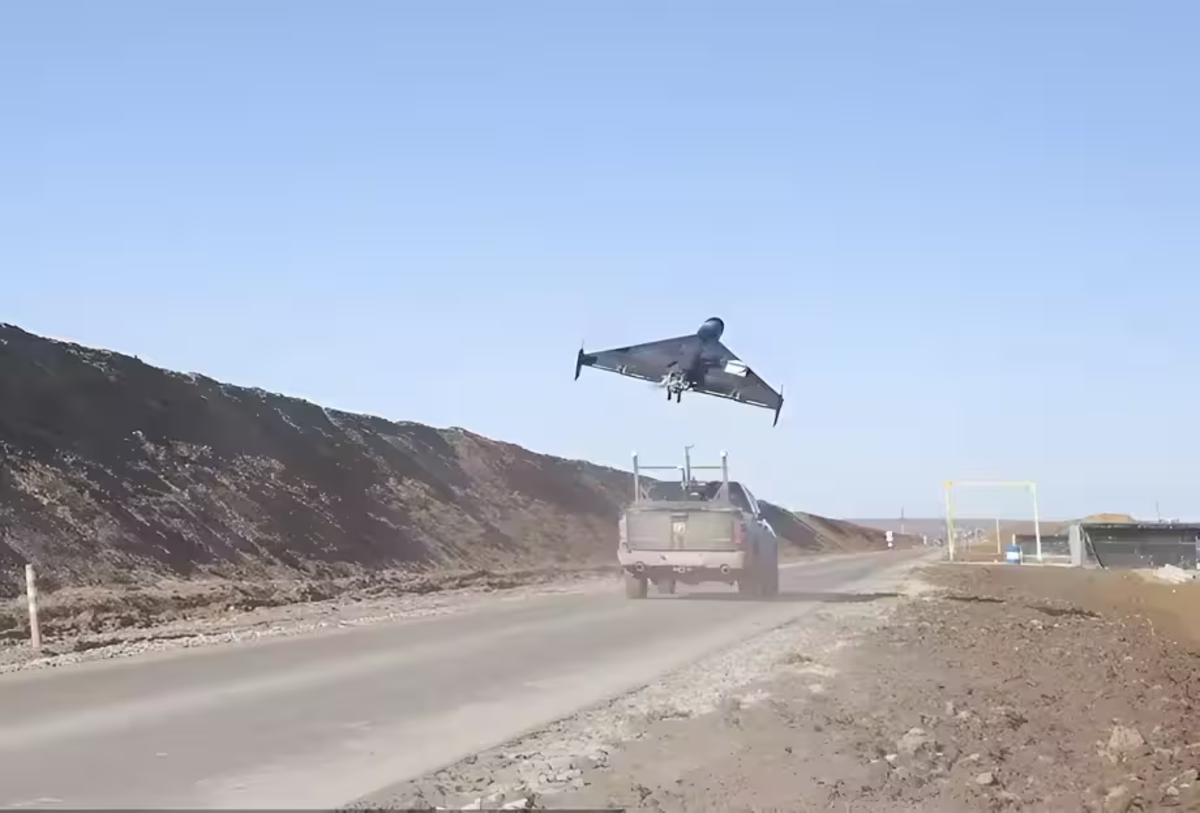
The evolution of drone employment tactics follows the historical path of front-line aviation development in the last century. Even during World War II, Soviet and German pilots actively used terrain for covert approaches to targets, descending to altitudes of several dozen meters and following natural \"corridors\": river valleys, ravines, and forest belts. Modern Gerans use a similar approach, choosing predominantly the channels of large and medium-sized rivers for their routes, where the terrain provides natural concealment from radar detection.
It is worth noting that the transition to ultra-low altitudes requires modification of onboard navigation systems. Standard GPS/GLONASS receivers under conditions of active electronic countermeasures are likely supplemented with inertial systems and, presumably, terrain-contour navigation elements, allowing the drone to \"follow\" the terrain profile.
Read more articles:
- Russian military modernized the Soviet BTR-50: \"barbecues\" against drones and a powerful \"Utes\"
- 19FortyFive: Combining the resources of Russia and China for the PAK DA project could be a logical step
- Tests of the launch of the Knyaz Vandal Novgorodsky drone from the Skorlupa USV were conducted in the Black Sea
Never miss our newsAdd this site to your preferred sources to see us more oftenAdd on Google