The development of the modernized Rokot-M light launch vehicle is nearing completion, and the first launch is scheduled for late 2026 or early 2027. This was announced by Dmitry Baranov, Deputy Director General of Roscosmos for Rocket Projects, at the 50th Academic Readings on Cosmonautics in memory of Sergei Korolev.
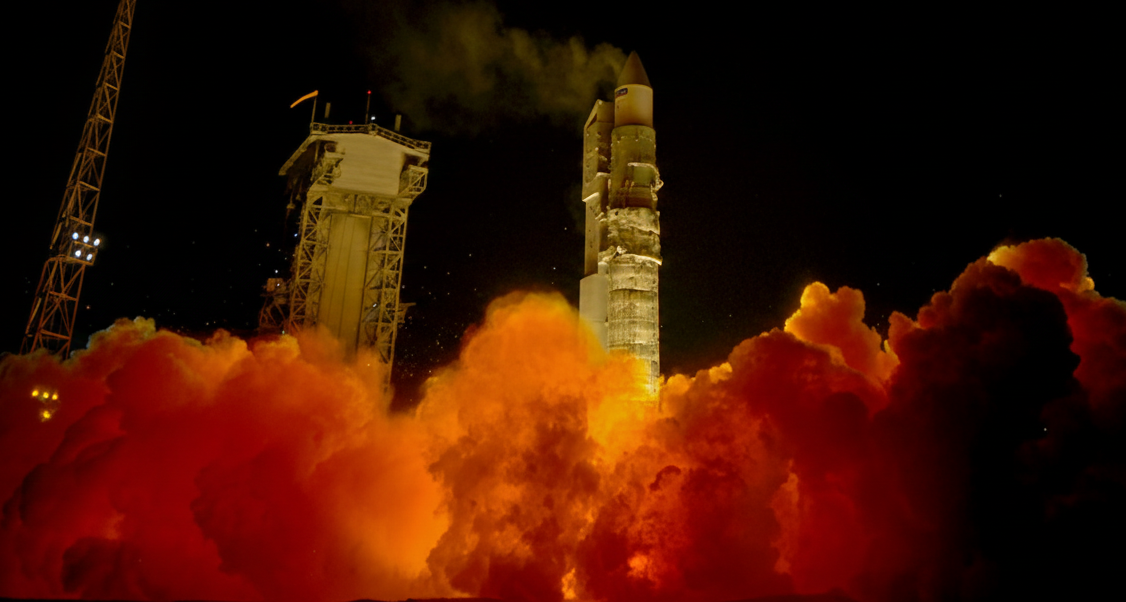
According to Baranov, research and development work is in the final stage, and the assembly of the rocket should be fully completed this year. After that, preparations for the first flight model will begin, which is planned to be launched from the Plesetsk cosmodrome.
The basic version of the Rokot rocket belongs to the light class and was created as part of a conversion program based on the RS-18 intercontinental ballistic missile. Production was carried out by the Khrunichev Center, and the first launch took place in May 2000. The modernization of Rokot-M involves the use of exclusively domestic components, which increases the autonomy and technological independence of the Russian space industry.
Work on updating the rocket is being carried out within the framework of the state defense order at the expense of the Ministry of Defense of the Russian Federation. The main goal of the modernization is to ensure reliable launches of spacecraft in the interests of the military department and civilian projects, including satellite communication, observation and navigation systems. The designers note that the new version will provide more stable operation and an extended operational life of the rocket.
Read more materials on the topic:
- Will take off at the end of March: the launch date of the Soyuz-5 rocket was announced at Roscosmos
- Roscosmos will transfer the production of Angara strategic missiles from Moscow
- The heavy-class Angara-A5M rocket will be equipped with an oxygen-hydrogen upper stage
Never miss our newsAdd this site to your preferred sources to see us more oftenAdd on Google

















