Rostelecom has completed the construction of the most complex and longest optical crossing within the Trans-Eurasian fiber-optic communication line TEA NEXT, which passes through the Kama River. Specialists used the method of horizontal directional drilling. The length of the crossing exceeded three kilometers.
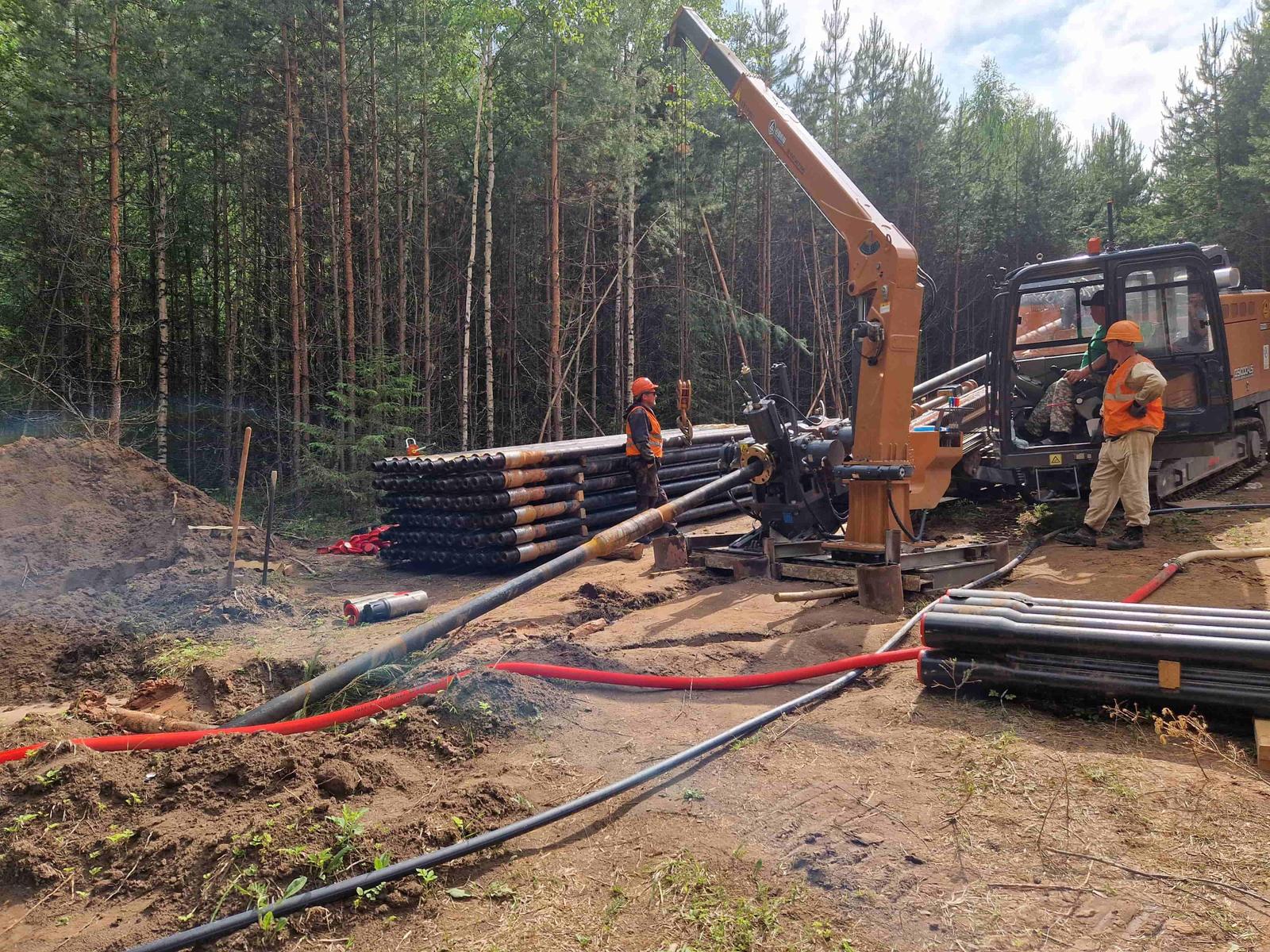
The construction process began with design, which included comprehensive engineering studies - from studying hydrology to analyzing the riverbed. The work was supervised by the technical supervision of the TEA NEXT project office and the Perm branch of Rostelecom.
The most difficult section of the crossing, more than 1300 meters long, passed under the fairway of the river. During the drilling process, difficulties arose due to an area with gravel and boulders. Drilling blades quickly became unusable.
Only on the fifth attempt, after a complex selection of bentonite and polymers, was it possible to complete the crossing under the Kama River. The main work took more than ten months, and this does not include the preparatory stages.
All construction activities were carried out taking into account the requirements for the protection of land and natural resources. About 60 thousand sturgeon fry were released into the Votkinsk Reservoir.
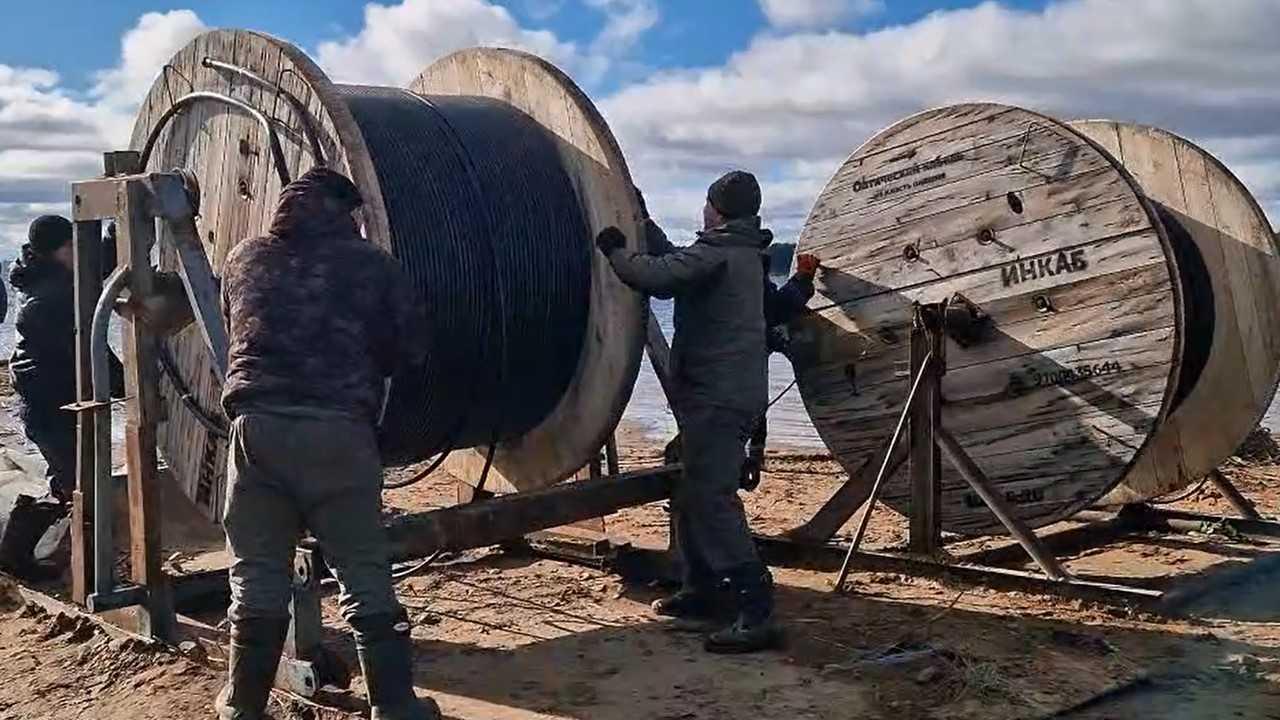
The TEA NEXT digital highway will connect the western and eastern borders of Russia, including major cities and borders with Mongolia and China. The project covers 27 regions and includes the creation of branches to traffic nodes in Moscow, St. Petersburg, Yekaterinburg and Novosibirsk. The total cost is 28.1 billion rubles.
Optical fibers of category G.654E are used for the first time in this construction, which allow organizing high-speed optical channels with a total bandwidth of 19.2 Tbit/s per pair of fibers.
Read more on the topic:
- Inkab Plant Presents Underwater Optical Cables
- Fiber Optic Communication Line Without Expensive Amplifiers Developed at LETI
- Rosseti Laid 117 km of Optical Fiber in Ugra for the Digitalization of Siberia
Never miss our newsAdd this site to your preferred sources to see us more oftenAdd on Google

















