From November 2025, Lada Niva Travel will begin to be equipped with a new 1.8-liter engine, which will replace the previous 1.7-liter engine. According to AvtoVAZ, acceleration to 100 km/h will be reduced from 18.6 to 16.2 seconds, and acceleration on the highway has become closer to "diesel" characteristics due to the improved elasticity of the engine.
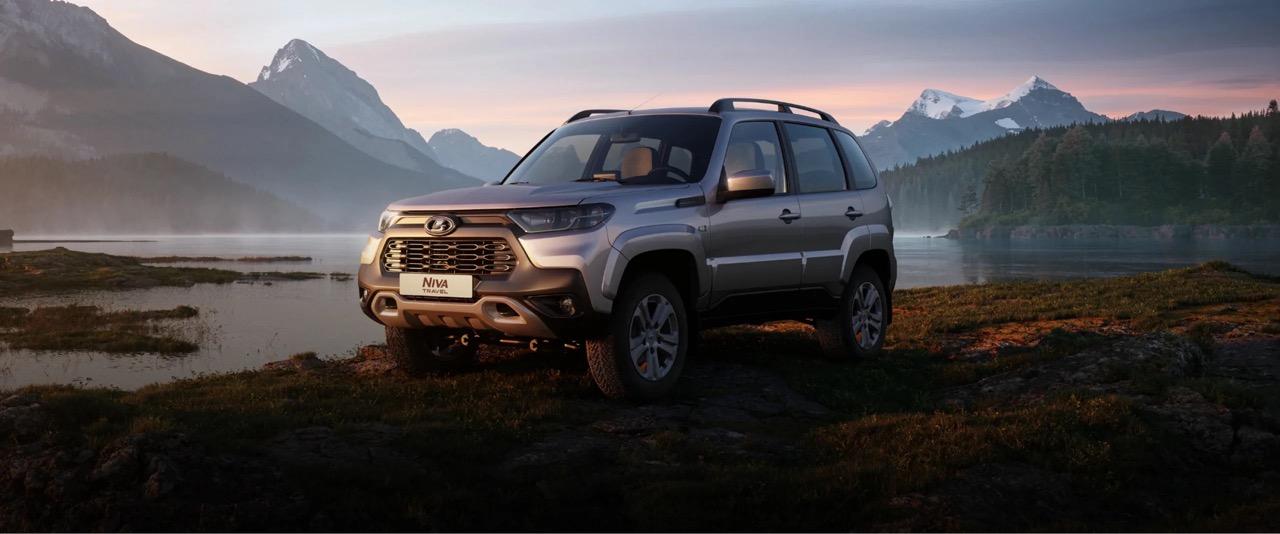
A comparison of the two engines showed that the new Niva is faster in all gears. The acceleration from 80 to 120 km/h in fifth gear is especially noticeable - here the difference reaches 21.4 seconds. Improvements are also noticeable at low and medium speeds, which makes the car more responsive and comfortable when overtaking and driving on the highway.
The new VAZ-11184 engine has a volume of 1.8 liters, a power of 90 hp and a torque of 153 N·m. The old VAZ-21214 produced 83 hp and 129 N·m. In real measurements, acceleration from 50 to 80 km/h in fourth gear decreased from 12.9 to 9.9 seconds, and the range of 60-80 km/h - from 5.5 to 4.6 seconds.
For Niva Legend, the engine replacement is scheduled for the summer of 2026. AvtoVAZ emphasizes that the new power plant increases the elasticity of the car, improves comfort on the highway and makes the car's behavior more predictable at any speed.
Read more materials on the topic:
- Won't "float": the updated Niva Travel does not provide for the presence of a snorkel
- Lada Niva Travel with a new 1.8-liter engine: the official test drive of the model has started
- The updated Lada Niva Travel allows you to save on maintenance and fuel
Never miss our newsAdd this site to your preferred sources to see us more oftenAdd on Google