Translated with AI from the Russian original.
In Russia, a pilot testing of a service that allows purchasing goods in the 18+ category using biometric data will begin in October. This was reported by journalists, citing Deputy Prime Minister Dmitry Grigorenko.
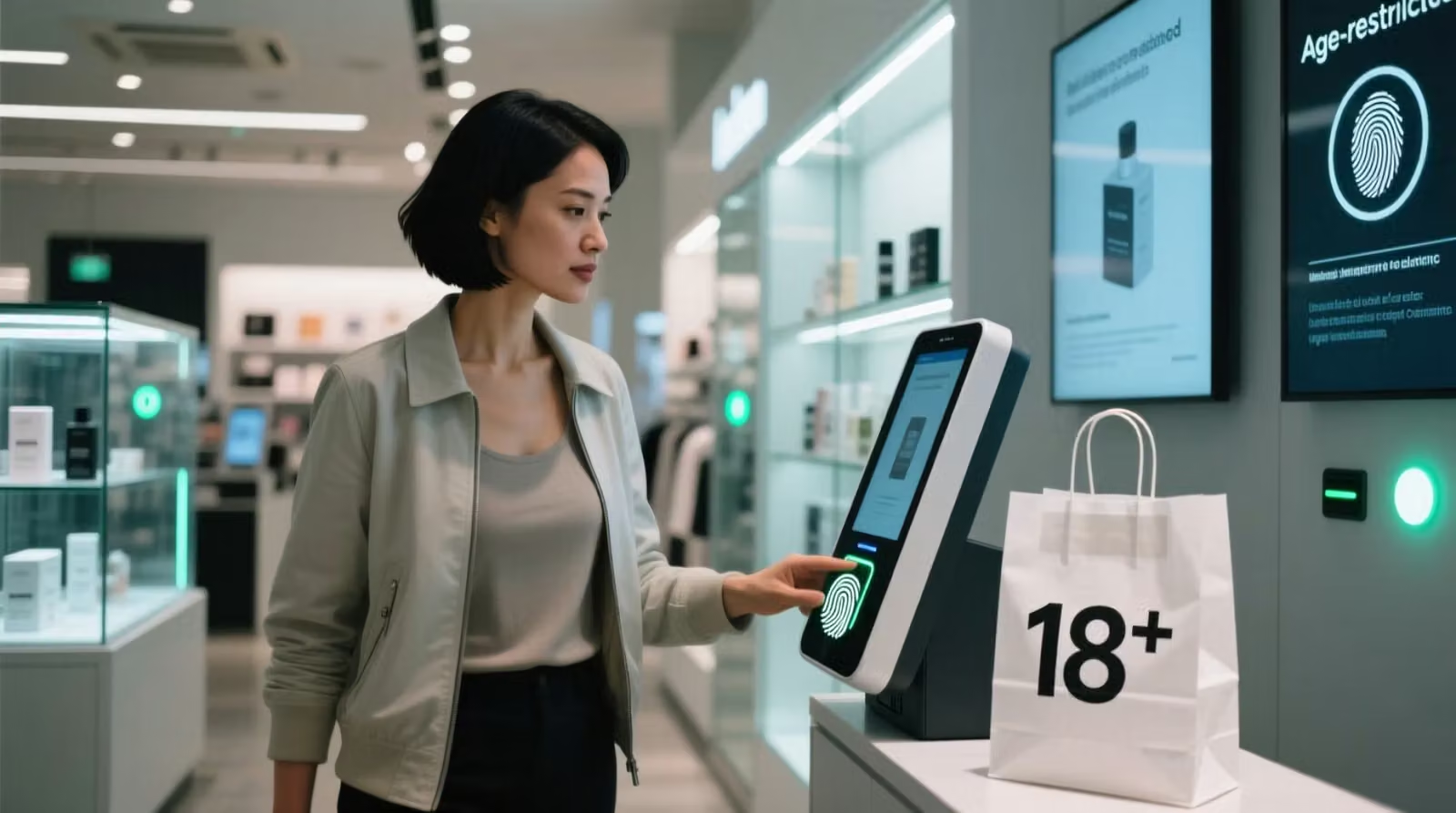
At the first stage, the system for selling alcohol, tobacco and other 18+ goods using biometrics will be available in stores of one of the retail chains. It is planned to sell energy drinks in vending machines of Moscow fitness clubs, which have been unavailable to minors since March of this year.
To use the service, you need to register biometrics through the "Gosuslugi" application or at a bank. After that, the data will be entered into the Unified Biometric System (UBS), and age will be verified when attempting to make a purchase.
Senator Vladimir Kravchenko noted that"the use of biometrics will allow to comply with age restrictions". He added that current checks show violations by sellers, and biometrics will help eliminate the human factor.
By the end of 2025, almost every second terminal in Russia will be able to accept payment by biometrics. Federation Council Speaker Valentina Matvienko stressed that biometric data will be collected on a single state platform to prevent leaks.
Read more materials:
- Sber to introduce payment for alcohol and cigarettes by face instead of passport
- Moscow invests in the future: new ticket vending machines with biometrics will appear in the metro
- Smiles for everyone: Sber's biometric payment service is now available to customers of all banks
Never miss our newsAdd this site to your preferred sources to see us more oftenAdd on Google

















