Mass production of Ansat helicopters with new domestic VK-650V engines will begin in 2027, according to the head of the Ministry of Industry and Trade of the Russian Federation, Anton Alikhanov.
It is very important to pass all tests with dignity and get a certificate, we will complete it next year.
The possibility of re-engining previously produced Ansat helicopters is also being considered.
Now a little less than 150 of them are used in the civil sector. And for those machines that are used, we will extend the life of their engines. Well, now we are thinking about refining and re-engining them, installing our fully import-substituted engines.
The first flight of the light multipurpose Ansat with Russian VK-650V engines took place in early September and lasted six minutes. The new helicopter, created on the basis of the Ansat-M model, was certified in 2022.
The rotorcraft is capable of flying without refueling for a distance of up to 660 km, and with an additional fuel tank - up to 800 km. It can also fly in temperatures ranging from -45 to +50 degrees Celsius and in high mountains.
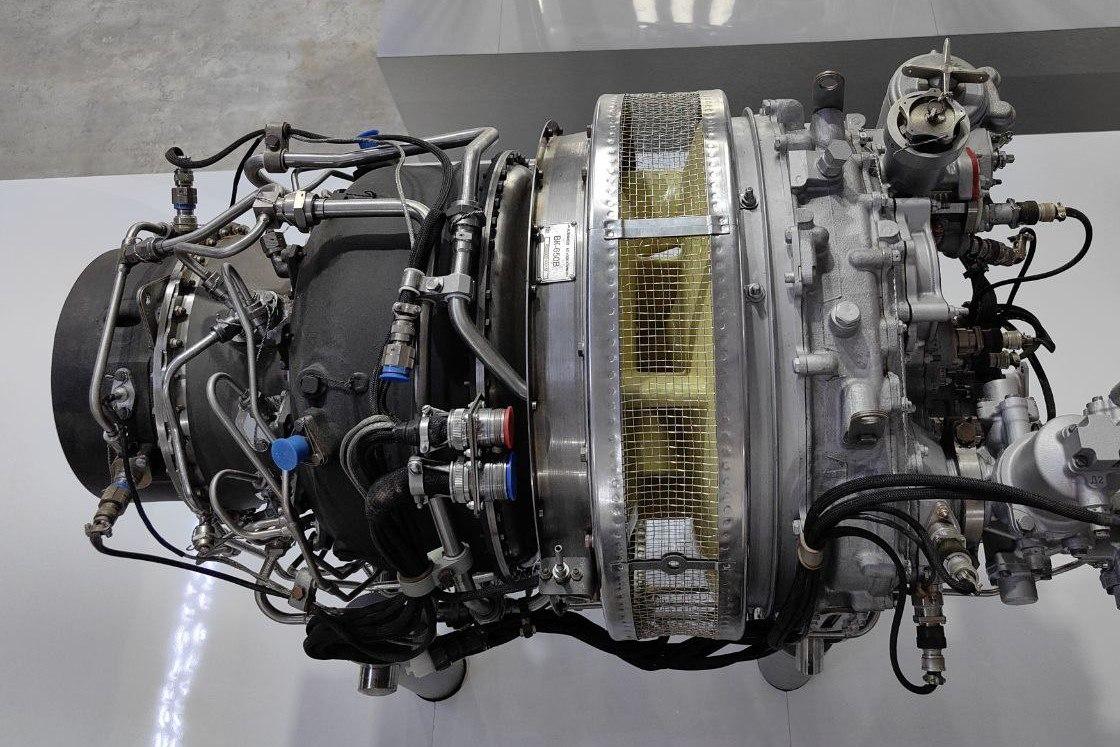
VK-650V is the first domestic engine for light helicopters with a take-off weight of up to 4 tons.
Read more on the topic:
- Ka-226T, Ansat, Mi-8: Rostec will be able to create a drone based on any helicopter
- Modernized Ansat with Russian VK-650V engine is preparing to practice hovering near the ground
- Contract executed: Republika Srpska received all Ansat helicopters
Never miss our newsAdd this site to your preferred sources to see us more oftenAdd on Google