Translated with AI from the Russian original.
The Rosel holding (part of Rostec) has begun supplying modernized Dvina-100M drone suppression systems. The complex suppresses control and data transmission channels of UAVs, as well as navigation satellite systems at temperatures from -40°C to +50°C.
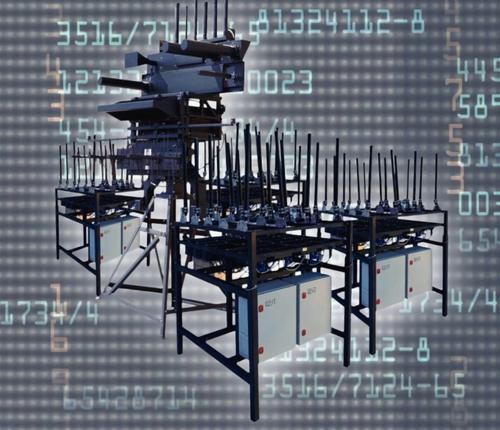
The device operates in a wide frequency range and has a number of fixed and rapidly tunable jamming ranges. The Dvina-100M is capable of successfully countering various types of UAVs and suppresses, among other things, drones that use random frequency hopping.
Rostec noted that the complex is effective in combination with specialized radio monitoring tools. With their help, it receives information about the characteristics of the signals used by the drone and generates interference in response at the same frequency and with the same principles of information transmission.
This collaboration deprives the UAV of any opportunity to receive correct data or maintain communication with the operator, regardless of the frequency and protocol on which the drone operates. Thanks to the created protection dome with a diameter of several hundred meters, the Dvina-100M is suitable for use at large industrial enterprises and critical infrastructure facilities - at airports, railway stations and others.
Read more materials:
The foreign customer was not satisfied with the color of the Russian Su-34E fighters
Named the key Russian combat aircraft
Su-27 fighter drove away the American F-15 from the Tu-22M3 bomber: a video appeared
Never miss our newsAdd this site to your preferred sources to see us more oftenAdd on Google

















