MTS plans to place 5G base stations on low-orbit satellites to directly transmit signals to smartphones. The project, which is scheduled to be implemented by 2030, aims to provide communication in remote regions of Russia.
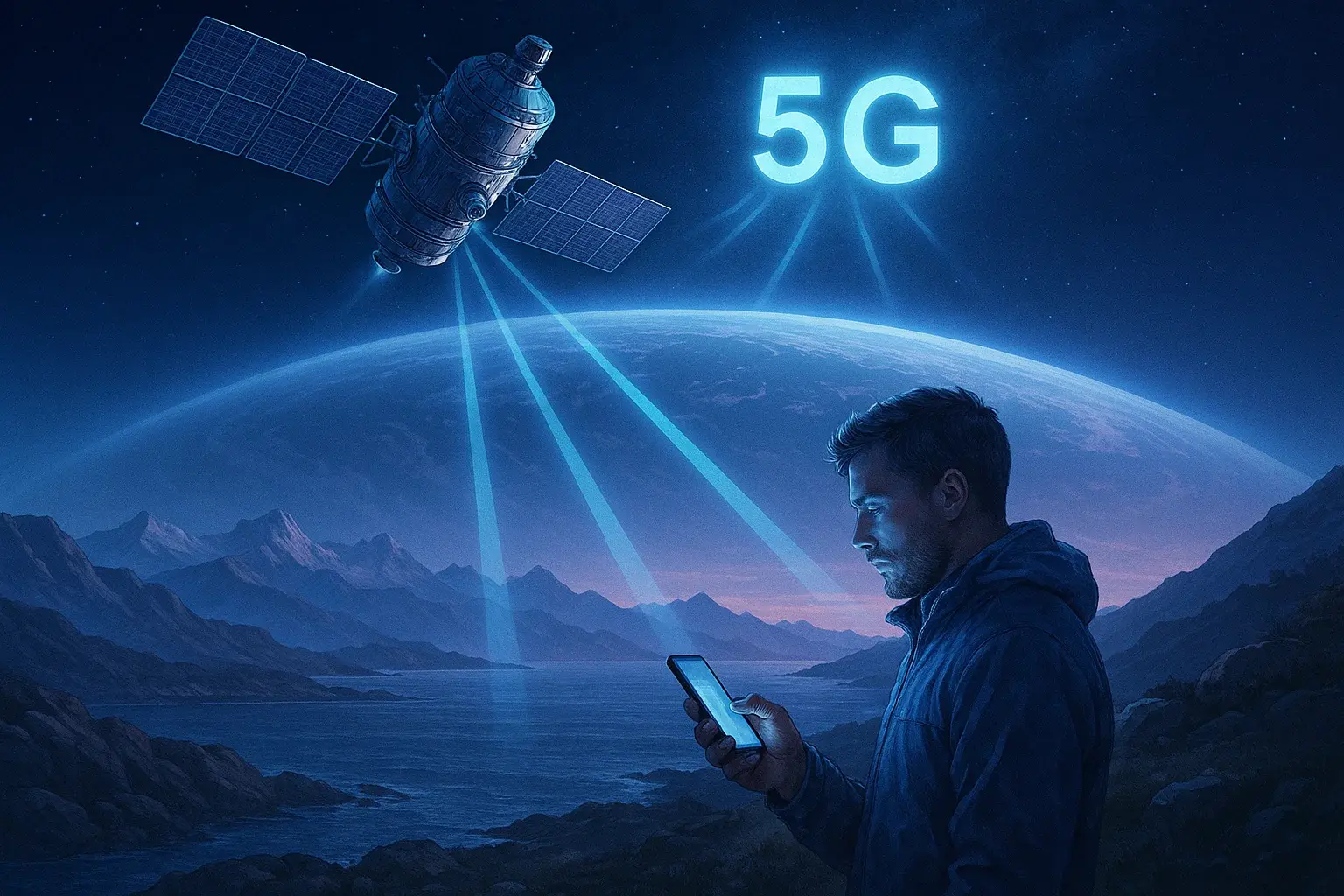
The base stations will operate using Non-Terrestrial Networks (NTN) technology in Direct-to-Cellular (DTC) mode, which will allow providing mobile communication where there is no terrestrial network coverage. In 2024, MTS received permission to use the necessary frequencies.
The company intends to go through three stages: creating a test station, testing it, and launching several satellites. Full coverage will require between 200 and 5000 satellites, and investments may exceed 300 billion rubles. MTS is considering creating a consortium to implement the project.
Similar technologies are being developed by SpaceX (Starlink), Amazon, and Chinese companies. In Russia, beeline. and "Bureau 1440" are working on connecting base stations to a satellite network, but their approach differs from the MTS project.
Experts explain: these projects use fundamentally different technologies. MTS is betting on direct connection - their satellites will connect to users' smartphones without intermediate devices. This means that in the taiga, in the ocean, or high in the mountains, a phone will be able to catch the network just like in the city - without additional antennas or modems.
beeline. chose a different path. Their system involves installing special satellite terminals on ordinary terrestrial cell towers. This solution is suitable for places where it is impossible to lay a fiber optic cable to the base station.
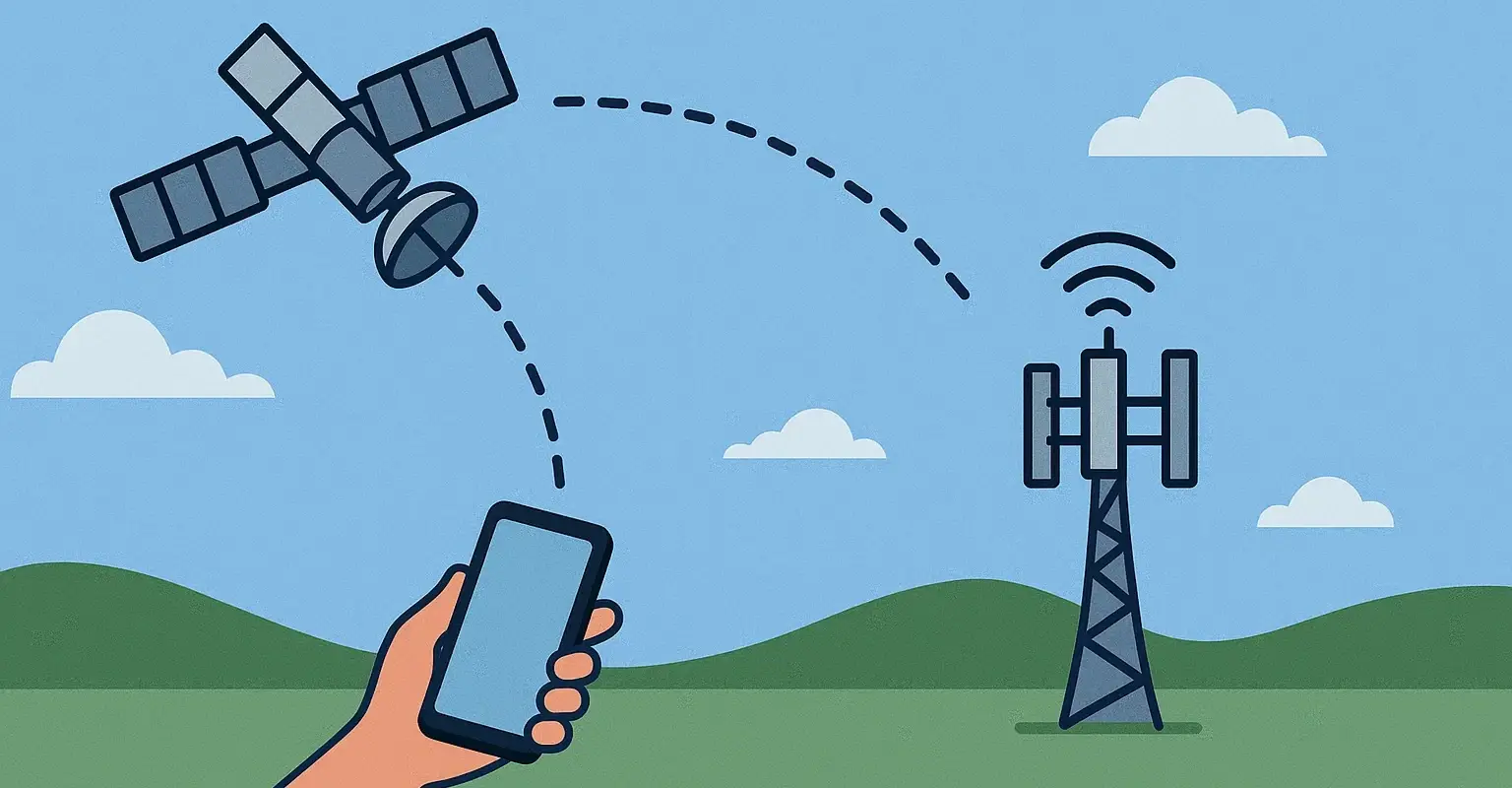
The main advantage of MTS technology is its versatility. There is no need to build and maintain expensive ground stations for the sake of a few subscribers in the hinterland. That is why the global telecom market considers direct satellite connection to be a more promising direction.
The technology will allow using mobile communication and the Internet in remote areas - where there is currently no coverage. In the future, it will be possible to call, write, and go online even in the taiga, mountains, or at sea without additional devices - directly from a smartphone.
Subscribe to "First Technical" news on Google News to stay up to date with the latest events in the world of science and technology.
Read more related materials:
WhatsApp promised to provide access to the messenger for users in Russia
For the safety and development of broadcasting: media holdings proposed to make it mandatory to install FM receivers in all new cars in Russia
Never miss our newsAdd this site to your preferred sources to see us more oftenAdd on Google

















