Translated with AI from the Russian original.
Specialists from Rostec have upgraded the missiles of the Pantsir anti-aircraft missile systems (SAM) to destroy small-sized drones. This was reported in the press service of the state corporation.
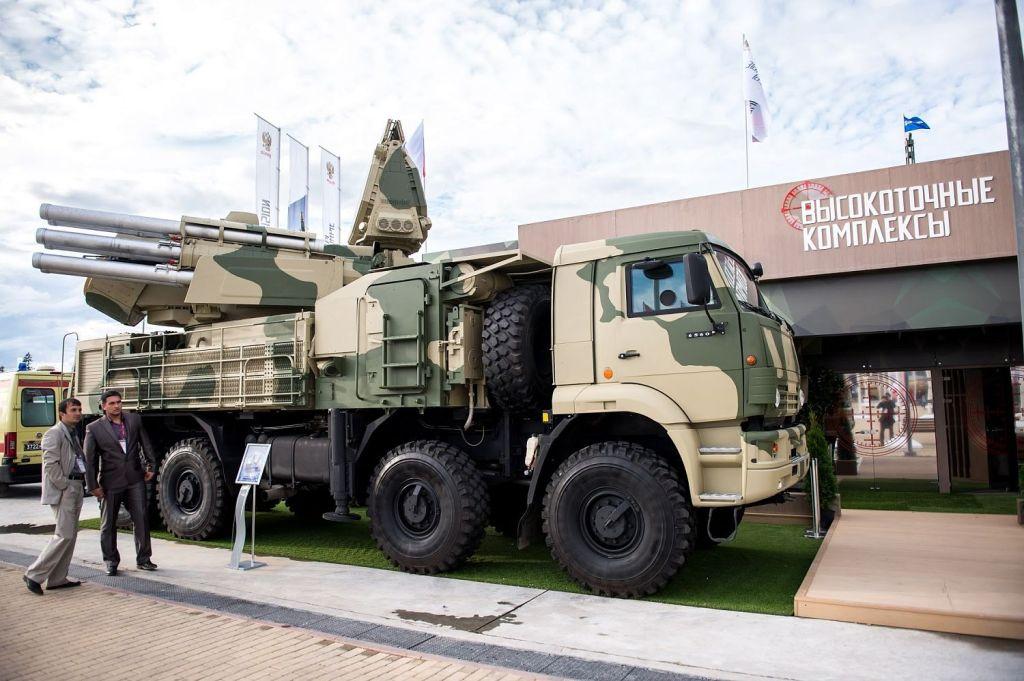
Drones were initially among the targets that the Pantsir was designed to combat. However, while at the time of the SAM system's creation, these were fairly large and high-speed aircraft-type targets, drones have since become small-sized, with a small radar cross-section, flying at low speeds.
Combat experience has demonstrated the complex's effectiveness against all types of unmanned aerial vehicles. To this end, the Pantsir's radar systems have been adapted for detecting and accurately tracking low-signature targets, and the missile has also been upgraded.
The Pantsir-S1 SAM system can be installed on a tracked or wheeled chassis, placed on a trailer, or mounted stationary. The system is operated by a crew of two to three operators.
The Pantsir's armament consists of automatic cannons and guided missiles with radio command guidance, using radar and infrared tracking channels.
Earlier, www1.ru reported that Russia is launching the Il-114-300 to replace the An-24: regional aviation gains support.
Read also:
Goodbye, Mi-8, hello, Mi-80: the "Super Eight" helicopter will appear in Russia
Rostec has turned the Superjet SJ-100 into a robotic crane
"Black Wings" for the MC-21: composite production for the aviation industry will double
Never miss our newsAdd this site to your preferred sources to see us more oftenAdd on Google

















