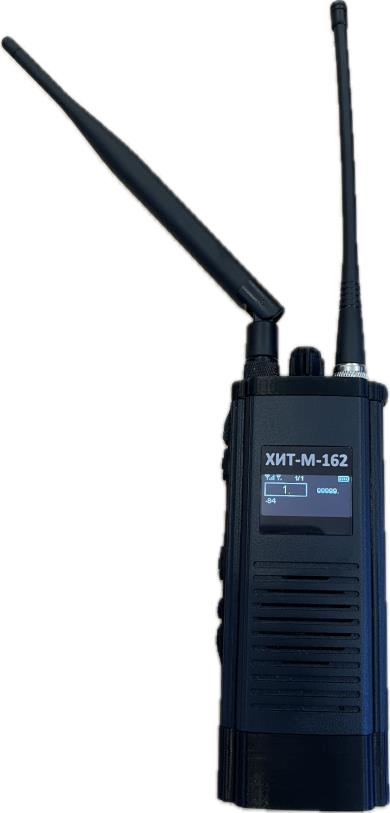
Specialists from Perm National Research Polytechnic University have presented a unique development - the portable digital radio station "HIT MANET." According to scientists, this device is capable of providing reliable communication in the most difficult conditions: in mountainous terrain, deep mines, dense urban development, and other places where traditional means of communication are useless.
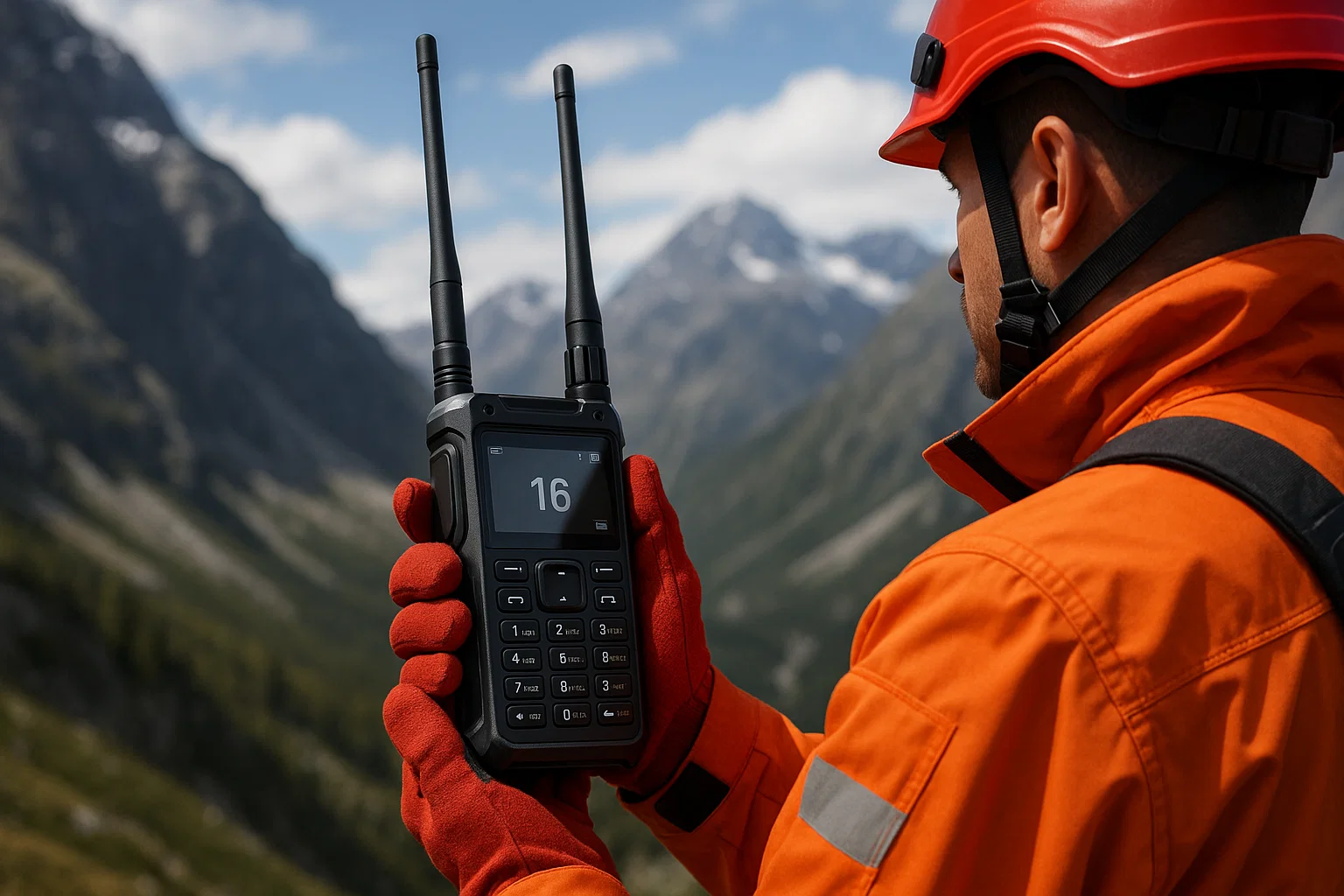
The key feature of the new radio station is the simultaneous use of two frequency ranges. The low-speed channel in the 130-1000 MHz range is suitable for operation over long distances, effectively bypassing natural obstacles. The high-speed channel 2400-2500 MHz copes well with urban conditions, easily penetrating concrete walls and other artificial barriers. This duplicate approach virtually eliminates the possibility of a complete break in communication.
The technological basis of the device is the MANET (Mobile Ad Hoc Network) system, which allows radio stations to communicate with each other directly, without the use of towers or central servers. As Sergey Tyurin, senior lecturer at the Department of Automation and Telemechanics of PNRPU, explains, the main advantage of their development is the simultaneous use of two independent MANET networks.
This makes communication more reliable. Its main advantage is that the failure of one or more devices will not lead to a complete loss of communication. This makes the network more flexible. The use of two MANET blocks in the radio station increases the reliability of communication in the event of a failure of one of them, and also allows you to cover a large area, improving signal quality and network availability.
Among the characteristics of the device is a data transfer rate of up to 54 Mbit/s in high-speed mode, which significantly exceeds the performance of most analogues. The radio station is equipped with a "cognitive radio" system that automatically finds free frequencies, avoiding interference. The security level is provided by AES-256 encryption, which protects negotiations from interception.
It is worth noting the ability of the device to operate in extreme temperature conditions - from -25°C to +55°C. A full battery charge lasts for three days of continuous operation. Additional features include a repeater mode to extend the coverage area and the ability to integrate with smartphones via Bluetooth.
Potential areas of application are wide - from rescue operations and communication at industrial facilities to extreme tourism. Unlike foreign analogues, such as AN/PRC-163 from L3Harris or domestic R-187-P1 Azart, the Perm development offers a new level of communication reliability in the most difficult conditions.
The main difference between our development and modern analogues, such as, for example, the R-187-P1 Azart radios manufactured by NPO Angstrem, AN/PRC-163 from L3HARRIS and others, is that we use not one MANET network, but two, and simultaneously in two frequency ranges.
The development has already received a patent №2841996 and continues to be improved as part of the Priority-2030 program.
Earlierwww1.rureported on the development of a communication protocol based on the MANET network.
Read more materials on the topic:
Breakthrough in mobile communications: 5G antenna developed by MIPT engineers
Never miss our newsAdd this site to your preferred sources to see us more oftenAdd on Google

















