Translated with AI from the Russian original.
The Russian government plans to allocate funds to the innovative science and technology center (ISTC) "Composite Valley" in Tula. The funds will be allocated on a co-financing basis, said Prime Minister Mikhail Mishustin.
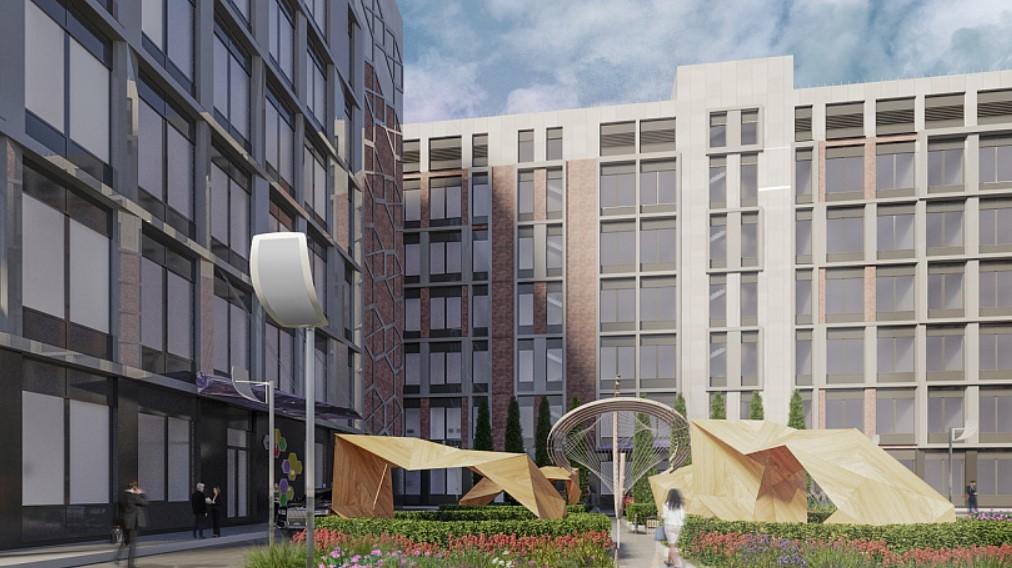
Today we will consider the issue of allocating 1 billion rubles for co-financing the ISTC "Composite Valley", which was created on behalf of the president in the Tula region.
According to him, the money will also be used to purchase equipment necessary for 2 buildings with laboratories.
A number of state support measures have been prepared for residents of "Composite Valley" who are developing new materials. We are talking about zero rates of VAT, income tax, and reduced insurance contributions on wages.
The ISTC complex will be built at 21 Kominterna Street in Tula. The total area of the technology park will be 30 thousand square meters. R&D centers of manufacturing companies, offices of small and medium-sized innovative companies, laboratory and pilot production facilities will be opened here.
Read more on the topic:
Rosaviatsiya is studying achievements in the field of unmanned aviation based at the SPC "Samara"
Will protect rockets at temperatures above 2300°C: MAI is developing a unique material
Coal waste put to good use: a smart composite has been developed in Russia
Never miss our newsAdd this site to your preferred sources to see us more oftenAdd on Google

















