Translated with AI from the Russian original.
The massive use of new Russian Geran-3 strike drones is capable of overloading electronic warfare and air defense systems, according to retired Russian Air Force Major General Vladimir Popov.
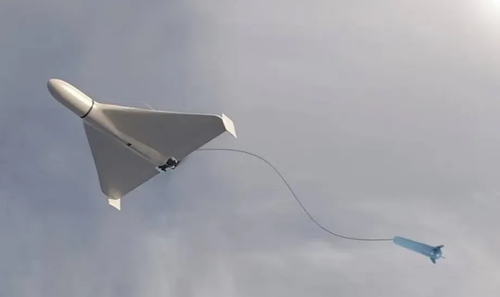
According to him, Geran-3 weapons achieve maximum efficiency when used in groups, because it is impossible to shoot down everything.
The Armed Forces of the Russian Federation have already used the Geran-3. The Russian Ministry of Defense has not commented on this information.
The Geran-3 accelerates to 600 km/h, making it more difficult to shoot down with conventional machine guns or artillery. The drone is also capable of accelerating to 700 km/h in dive mode on a target.
Earlier,www1.ru reported thatthe Yars strategic missile system has gone on combat patrol.
Read more materials:
Only old men go into battle: half-century-old T-62 tanks have returned to the Russian army
Hangars for Su-57 fighters have begun to be built at an airfield in the Astrakhan region
The Russian KAB aerial bomb for the Su-34 and Su-35 has increased its range to 100 km
Never miss our newsAdd this site to your preferred sources to see us more oftenAdd on Google

















