Scientists from the Institute for Biological Problems of the Cryolithozone SB RAS conducted a large-scale operation to count polar bear dens in the "Bear Islands" nature reserve in Yakutia. Thanks to the use of drones with thermal imaging cameras, specialists discovered more dens than in all previous years of observation.
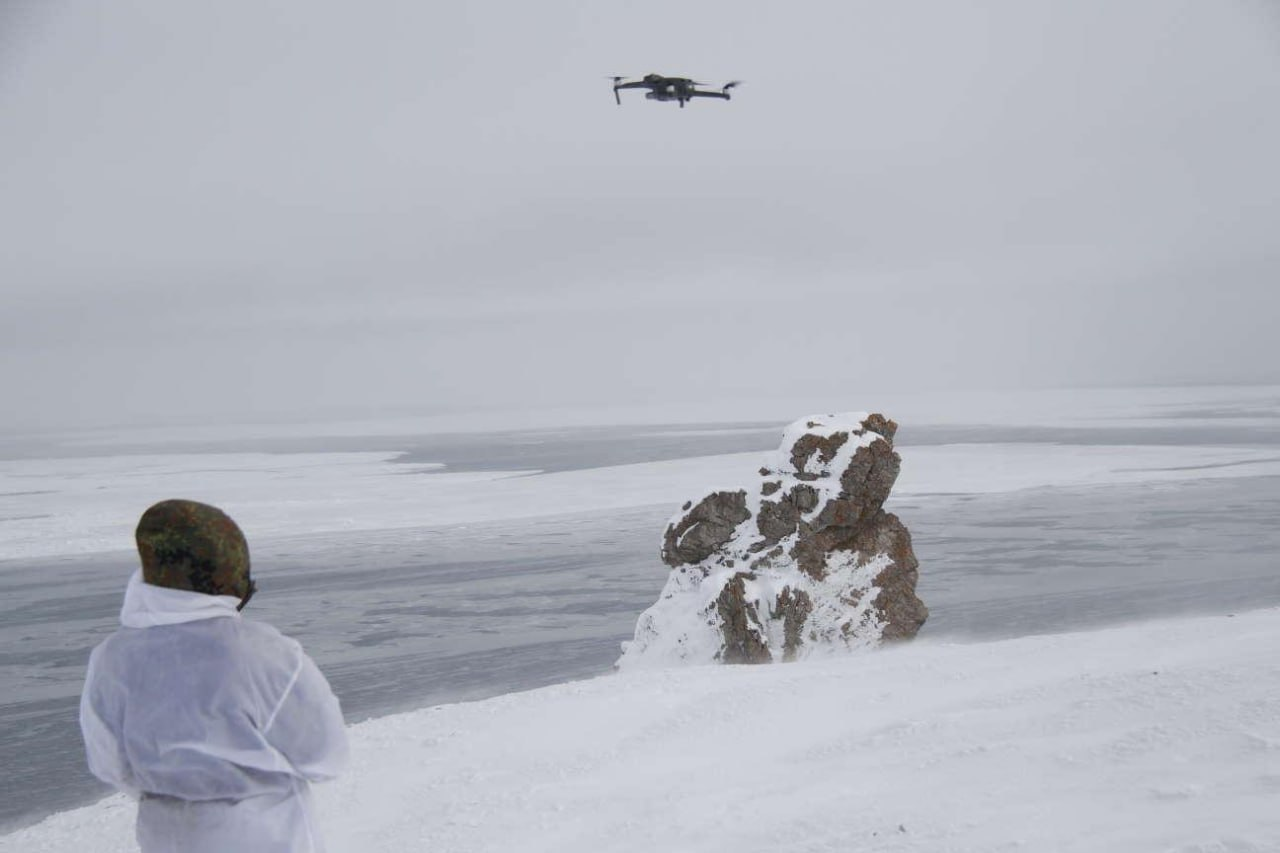
The expedition covered all six islands of the archipelago - key habitats for polar bears. The team traveled over two thousand kilometers on snowmobiles and all-terrain vehicles, carefully examining the snowy slopes and valleys. For the first time in the history of bear observation, scientists used drones with thermal imagers, which significantly expanded monitoring capabilities.
Preliminary estimates show that more dens have been discovered than in all previous years, when there were a maximum of 25. We classify bears into categories: males, females, cubs, and solitary individuals. The full census of dens will be completed on April 30, after which the exact number of dens and the animal population on the archipelago will be known.
When female polar bears, together with their cubs, go out onto the sea ice to learn how to hunt and survive, scientists record the location of their dens, measure their size, and collect biological samples. Analysis of excrement helps to identify parasites, and fur is used for genetic research to establish the affiliation of bears to a specific population.
According to the latest data, the number of polar bears on the "Bear Islands" and in the vicinity of Yakutia ranges from 800 to 1200 individuals. The polar bear is listed in the Red Book as an endangered species. An accurate population count is critical for developing effective measures to conserve this unique predator.
The cryolithozone is a permafrost zone where most of the polar bear population lives. It is here that scientists conduct their observations, using modern technologies, and drones are very helpful in this.
Earlierwww1.ru wrote that Russian drones, created for work in the Arctic,surpassed in their level of development the countries of Northern Europe.
Read more materials on the topic:
Yandex's neural network helps to study snow leopards, manuls and other rare animals of Altai
Laboratory of unmanned aircraft systems opened in the Yakutia technopark
Never miss our newsAdd this site to your preferred sources to see us more oftenAdd on Google

















