Translated with AI from the Russian original.
Russian Iskander-M operational-tactical missile systems (OTRK) strike at the locations of enemy reserves, both on the line of combat contact and in the tactical depth. The advantages of the system were revealed by the press service of the Ministry of Defense.
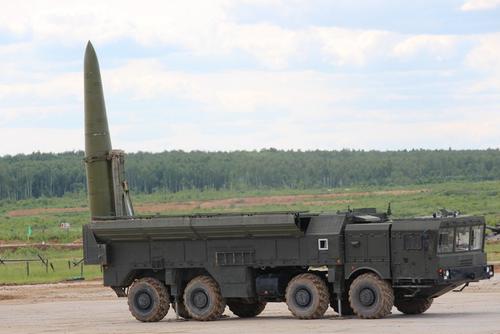
One launcher launches two missiles. Depending on the task, you can choose either a ballistic or a cruise missile. They cannot be destroyed by air defense systems due to hypersonic speed.
The Iskander-M ammunition range includes high-explosive fragmentation, concrete-piercing, cluster, incendiary and nuclear warheads. The missiles are guided to the target via a satellite system, and a homing head operates in the final section.
The tasks are to inflict a single or group strike into the tactical depth of the enemy on targets such as: command posts, concentrations of manpower, important infrastructure, and enemy airfields.
Earlier www1.ru reported that Rosoboronexport's order portfolio exceeded $60 billion.
Read more materials:
Advanced light missile 9M134 "Bulat" successfully tested in combat conditions
The design of a unique mortar was patented in Russia: twice as light as traditional models
The power of Russian tank engines will exceed 1130 hp: development has already begun
Never miss our newsAdd this site to your preferred sources to see us more oftenAdd on Google

















