NUST MISIS has developed 3D equivalents of cancer tumors to study the mechanisms of malignant neoplasms and create effective methods for their treatment, the university's press service reported.
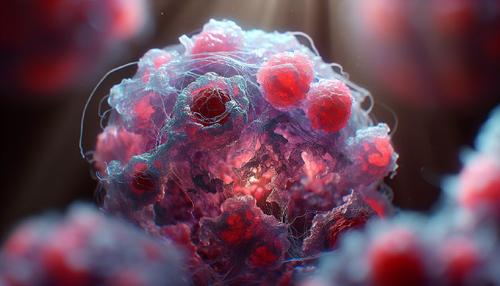
Three-dimensional equivalents of tumor tissue that could model its structure in vitro are not yet used by pharmaceutical companies. But their creation and implementation in the process of developing new anticancer drugs is simply a matter of time.
To create 3D models, researchers used pancreatic cancer cells and fibroblasts. The resulting samples remained viable for three to four weeks.
The scientists also studied how the properties of the final tissue-engineered structures depend on their structure. In the new models, it was possible to avoid the formation of a capsule and create a complete stromal structure, which is important for understanding cancer progression.
The use of complete tissue spheroids as miniature building blocks allows achieving a higher cell density, comparable to the density of native tissues, and reducing the time for the structures to "mature". We are the first to analyze the influence of the design and mutual arrangement of cellular components on the architecture of models after their maturation.
Earlier, www1.ru reported that Sechenov University is developing cell-based drugs to fight cancer.
Read more on the topic:
Destroys 94% of cancer cells: a new technology for fighting cancer has been created in Yekaterinburg
New horizons in oncology: Russia and China are joining forces in creating drugs
Never miss our newsAdd this site to your preferred sources to see us more oftenAdd on Google

















