Footage has appeared online showing the combat operation of a "Molniya" unmanned aerial vehicle with a TM-62 anti-tank mine as a warhead. The military took advantage of the top floor of an uninhabited building.
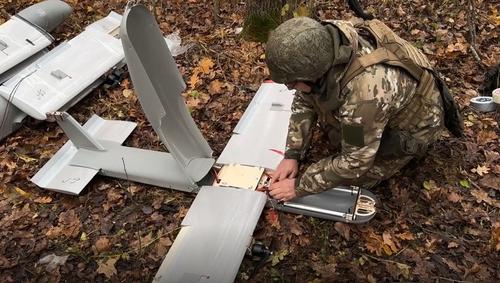
Launching "Molniya" from the ground is impossible due to the weight of the TM-62M, which weighs about 10 kg. Therefore, the teams are looking for the highest point, in this case a multi-story building.
"Molniya-2" is equipped with a catapult. The compressor creates pressure, and then the system sends the drone into flight with a sharp burst of air. The "Molniya" is controlled with special goggles and a remote control, just like an FPV drone.
At the same time, controlling an airplane-type drone requires special knowledge of aerodynamics and extensive skills in controlling aircraft. With each new launch, the military changes its basing point, which allows them to remain unnoticed by the enemy.
Earlier, www1.ru reported that the Russian military used the latest Kub-2 strike drone with optical guidance.
Read related materials:
Russian snipers hit targets through the walls of buildings with fire from standard rifles
Never miss our newsAdd this site to your preferred sources to see us more oftenAdd on Google

















