Translated with AI from the Russian original.
The firing tests of the engine of the newest spacecraft "Aist-2T" have been successfully completed at the "Progress" Rocket and Space Center.
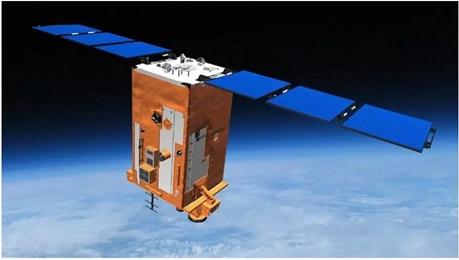
The burn-in of the new "Aist" correction system demonstrated the full operability of the propulsion system - it passed the test in all possible modes of operation without any remarks. Roscosmos called the burn-in "excellent."
To conduct these tests, new, more modern equipment was deployed at the space center's facilities, existing equipment was modernized, and a special methodology was developed to accurately determine the test results and analyze them.
The "Aist-2T" model devices are designed for stereoscopic imaging of the Earth's surface and are capable of creating its three-dimensional model. A pair of such satellites can prepare high-quality digital terrain models, as well as monitor the occurrence of emergency situations.
The latest "Aists" are based on the developments of the experimental satellite "Aist-2D", which operated in orbit for about eight years and completed its work only in the spring of this year, exceeding the planned terms by two times.
Read materials on the topic:
For the tasks of the Ministry of Defense and contour maps: the Russian remote sensing satellite "Aist-2T" will receive a new engine
Never miss our newsAdd this site to your preferred sources to see us more oftenAdd on Google

















