Translated with AI from the Russian original.
The AN/TPY-2 TMD-GBR multi-functional radar of the American THAAD anti-missile system is capable of detecting Russian "Oreshnik" missiles at a distance of 700 - 1300 km before the deployment of warheads in the marching sections of flat trajectories at an altitude of 85-110 km.
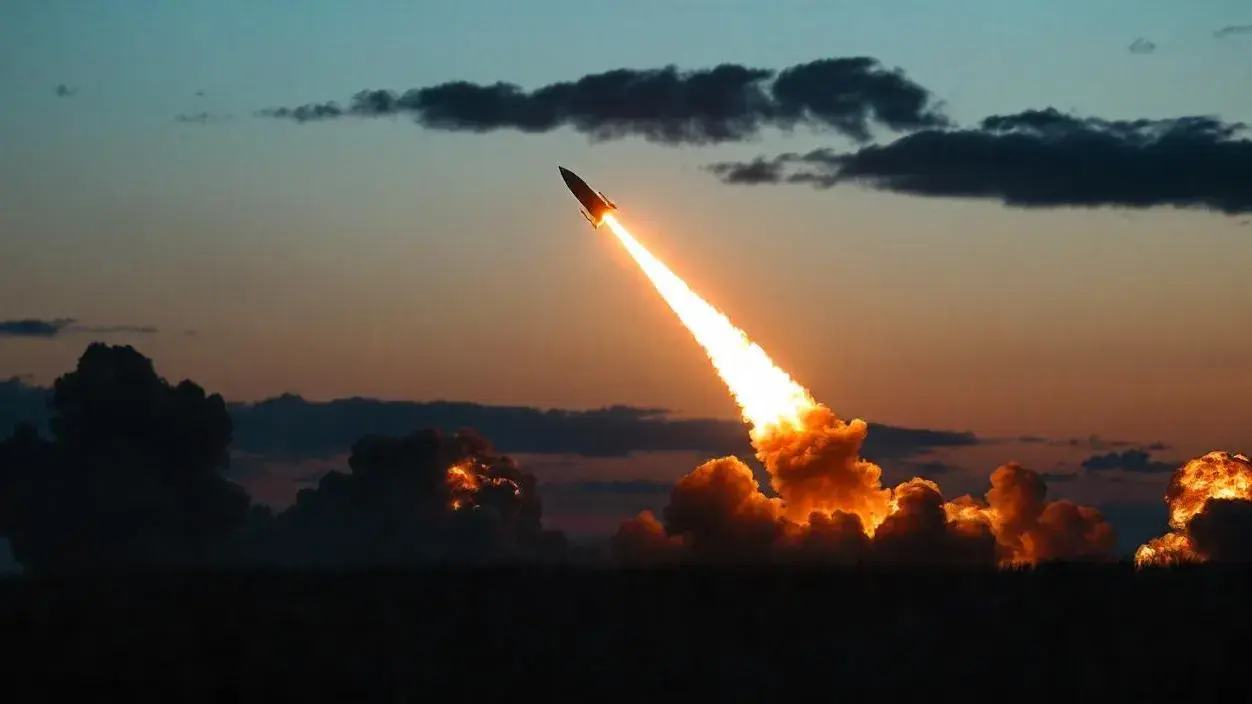
Nevertheless, a successful interception should not be expected, since the "Oreshnik" warhead deployment stage also has aerosols and infrared traps capable of counteracting the stable capture of the "Oreshnik" by the infrared homing heads of the THAAD KV interceptor missiles.
Moreover, after descending to altitudes of less than 80 - 70 km, THAAD exoatmospheric interceptors will no longer be able to function effectively due to high aerodynamic drag.
The analyst clarified that this refers exclusively to the initial section of the marching section of the trajectory, when the "Oreshnik" SRBM flying along a flat trajectory is at altitudes of more than 100 km.
Earlier www1.ru reported that the first regiment in history with the S-500 Prometey air defense system is completing its formation: a reliable shield for the Russian sky against ballistic missiles.
Read more on the topic:
Nuclear Defender of Russia: The latest weapons program will affect the intercontinental Sarmat
The danger of using T-62M tanks in assault operations is named: danger to the turret
Starlink Killer: The US has revealed the characteristics of the latest Russian Kalinka monitoring system
Never miss our newsAdd this site to your preferred sources to see us more oftenAdd on Google

















