In October 1977, the first flight of the light MiG-29 front-line fighter took place. Over the past 40 years, the aircraft has undergone deep modernization, but is still operated in dozens of countries around the world.
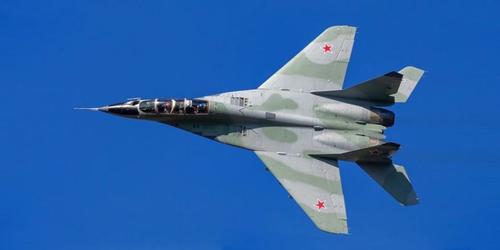
NATO codified the Soviet machine as "Fulcrum", this nickname best expresses the design intent of the Mikoyan Bureau. The fighter became one of the most successful fourth-generation fighters and at the same time has not exhausted the potential for further improvement.
The updated version of the MiG-29M is capable of tracking up to ten targets and firing at four simultaneously. The detection range of enemy fighters is up to 80 km. For the pilot, the view from the cockpit has been improved, the information content of the indication, navigation and weapons systems has been increased, as well as ergonomics.
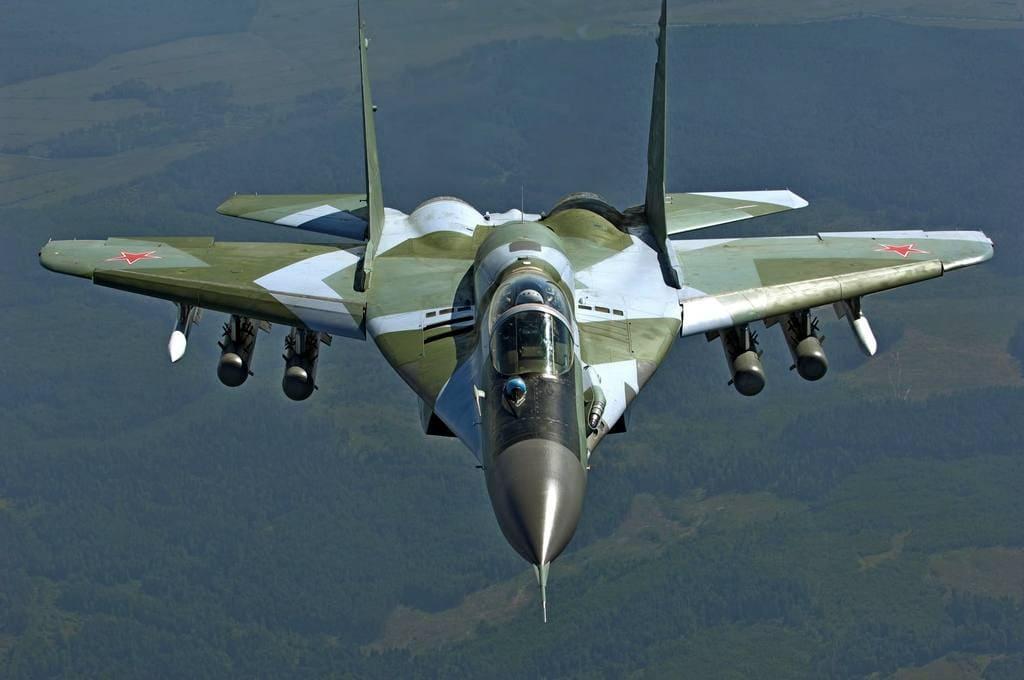
Flight technical characteristics:
- Height - 4.73 m
- Wingspan - 11.36 m
- Maximum speed - 2450 km/h (2.3 Mach)
- Practical ceiling - 18 thousand m
- Practical flight range at high altitude - 1 thousand 430 km (with suspended fuel tanks - 2 thousand 100 km)
- Maximum takeoff weight - 18.1 tons
- Maximum combat load weight - 2.18 tons
- Crew - one person (in the training and combat modification - two)
Earlier www1.ru reported that the latest Yarl body armor was handed over to Russian sappers, the products passed all resistance tests.
Read materials on the topic:
Expert explained the ability of the Su-57 fighter to remain invisible to 36D6 and Patriot radars
Never miss our newsAdd this site to your preferred sources to see us more oftenAdd on Google

















