The heavy strike UAV S-70 "Okhotnik" for the latest fifth-generation Su-57 fighter will receive the AL-51F1 engine. They will work together on the battlefield.
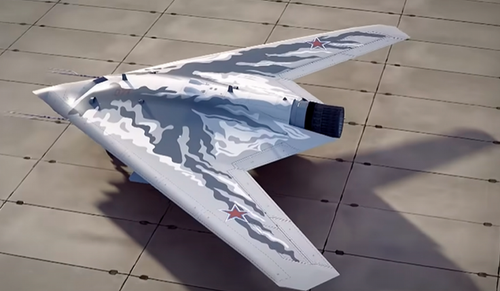
The advanced power unit is distinguished by reduced fuel consumption with an overall increased thrust. This engine, in addition to the S-70 and Su-57, will also be received by the light single-engine fifth-generation Su-75 aircraft.
AL-51F1 is a unique fifth-generation turbofan engine with a two-shaft design and afterburning. It is equipped with a three-stage fan driven by a single-stage low-pressure turbine and a five-stage high-pressure compressor driven by a single-stage high-pressure turbine.
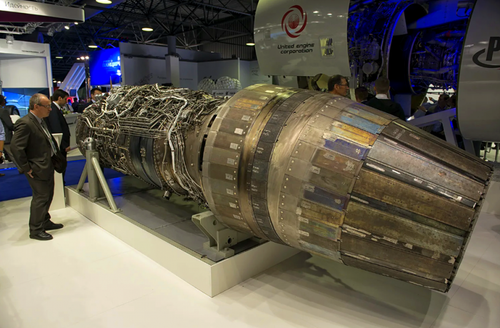
AL-51F1 has a high thrust - 11,000 kgf without afterburner and 18,000 kgf with afterburner activated. The specific gravity of AL-51F1 is 0.078, its ratio between dry weight (1400 kg) and maximum thrust (18,000 kgf) is 0.078.
Earlier www1.ru reported that the shipborne MLRS A-22 "Ogon" was combined with the "Motolyga" on the front line.
Read materials on the topic:
Will fight some more: the half-century-old Fagot ATGM destroyed the UAV control point repeater on the front line
Su-34 fighters may receive ultra-long-range Kalibr-A and Kh-101 missiles: expert admitted this alliance
Smart and ruthless projectile D-30N: suitable for aviation and MLRS "Tornado-S" at the same time
Never miss our newsAdd this site to your preferred sources to see us more oftenAdd on Google

















