The first ten launches of the modernized Progress-ROS transport cargo ships to the Russian Orbital Station (ROS) will be carried out from the Baikonur Cosmodrome. After that, the launches will be moved to the Vostochny Cosmodrome. These plans are outlined in the presentation by the General Designer of the Russian Federation for manned systems and complexes, the head of the Rocket and Space Corporation (RSC) Energia, Vladimir Solovyov.
According to the presented data, three launches of Progress-ROS are planned for 2028, four in 2029, and three more cargo missions in 2030. The general schedule for the creation of the ROS, approved in July, stipulates that the first two years of launches will be carried out from Baikonur, and by the end of 2029, the transition to Vostochny will occur.
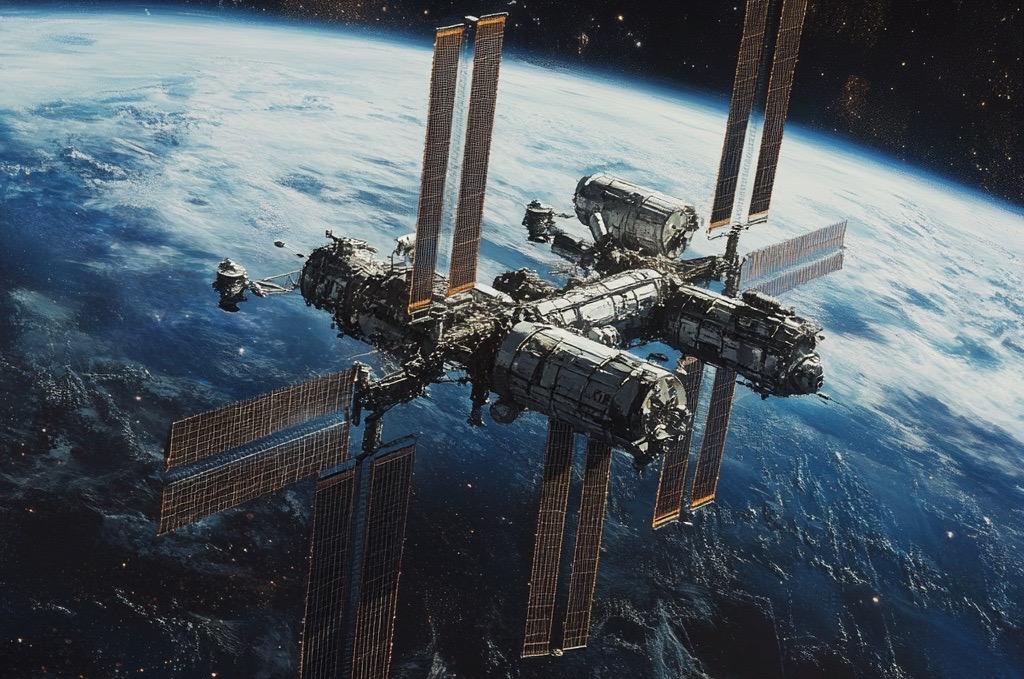
Work on the creation of the Russian Orbital Station is actively continuing. According to the schedule, the deployment of the station in a near-polar orbit should begin in 2027 and be completed by 2033. The total cost of the project is estimated at 608.9 billion rubles, of which 150 billion will be allocated in the first three years.
The first element of the station will be the scientific and energy module (NEM), which is scheduled to launch at the end of 2027. By 2030, universal docking, gateway, and basic modules will be launched, which together with the NEM will form the main core of the station. In the second phase, from 2031 to 2033, the station will be expanded by docking two additional target modules.
The creation of the ROS will ensure the continuity of the Russian manned program after the completion of participation in the ISS project. The new project will solve problems that are inaccessible within the current limitations of the ISS and international agreements. The project is open for international cooperation: African and BRICS countries have already been offered participation in the creation of the station.
Read materials on the topic:
Astronauts will have limited manned flights to the ROS due to radiation
Astronauts are increasingly forced to repair the ISS instead of doing science - Roscosmos
Never miss our newsAdd this site to your preferred sources to see us more oftenAdd on Google