Russian military personnel at the forefront are actively using the 120-mm self-propelled artillery gun "Nona-SVK". It is designed to defeat personnel located in the open and in shelters, command posts, fire weapons, armored and lightly armored targets in the near tactical zone.
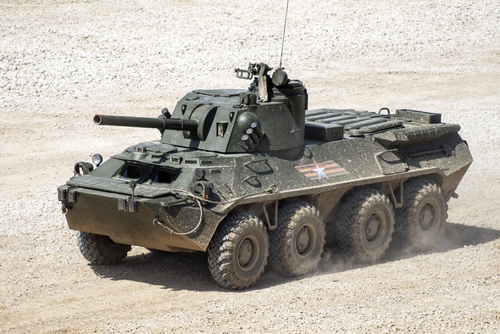
The Nona-SVK self-propelled gun is manufactured on the chassis of the BTR-80 and has the same mobility and protection as it.
The turret is equipped with a unique artillery system that has the properties of a howitzer and a mortar. The rifled gun is equipped with a pneumatic rammer and a combined breechblock, allowing it to fire not only shells specially designed for this system, but also any 120-mm mines.
Tactical and technical characteristics of "Nona-SVK":
- Crew - 4 people
- Weight in combat position - 14.5 tons
- Maximum firing range: high-explosive fragmentation projectile - 8.8 km, high-explosive fragmentation mine - 7.1 km
- Rate of fire - 10 rounds/min.
- Ammunition load - 30 rounds.
- Base chassis - BTR-80
Earlier, Rostec announced the invulnerability of the missile "Product 305" for the enemy's electronic warfare on the front line. It always flies exactly where the crew of the carrier helicopter directed it.
Read materials on the topic:
First they laughed, then they adopted it: The West is trying to equip Abrams and Leopard with Russian "mangal"
"Osa" will eat "Furia": the Russian air defense system has proven effective against enemy drones
Never miss our newsAdd this site to your preferred sources to see us more oftenAdd on Google

















