Russia produces artillery shells approximately three times faster than all Western countries combined, and at almost four times cheaper. This was reported by the British TV channel Sky News.
The TV channel cited data from Bain & Company, according to which Russia will produce about 4.5 million artillery shells in 2024, while European countries and the United States will produce only 1.3 million shells combined. The West fears that the Russians cannot be stopped, as the enterprises of the Russian defense industry (OPK) operate many times more efficiently.
This has prompted the US, UK and other EU countries to try to ramp up production at their factories, but their ability to produce artillery shells still lags behind Russia, despite a combined economic power that far exceeds Moscow's.
According to Sky News, the average cost of producing one "NATO" standard 155-mm artillery shell is almost $4,000. At the same time, the cost of a Russian-made 152-mm artillery shell is about $1,000, the TV channel concluded.
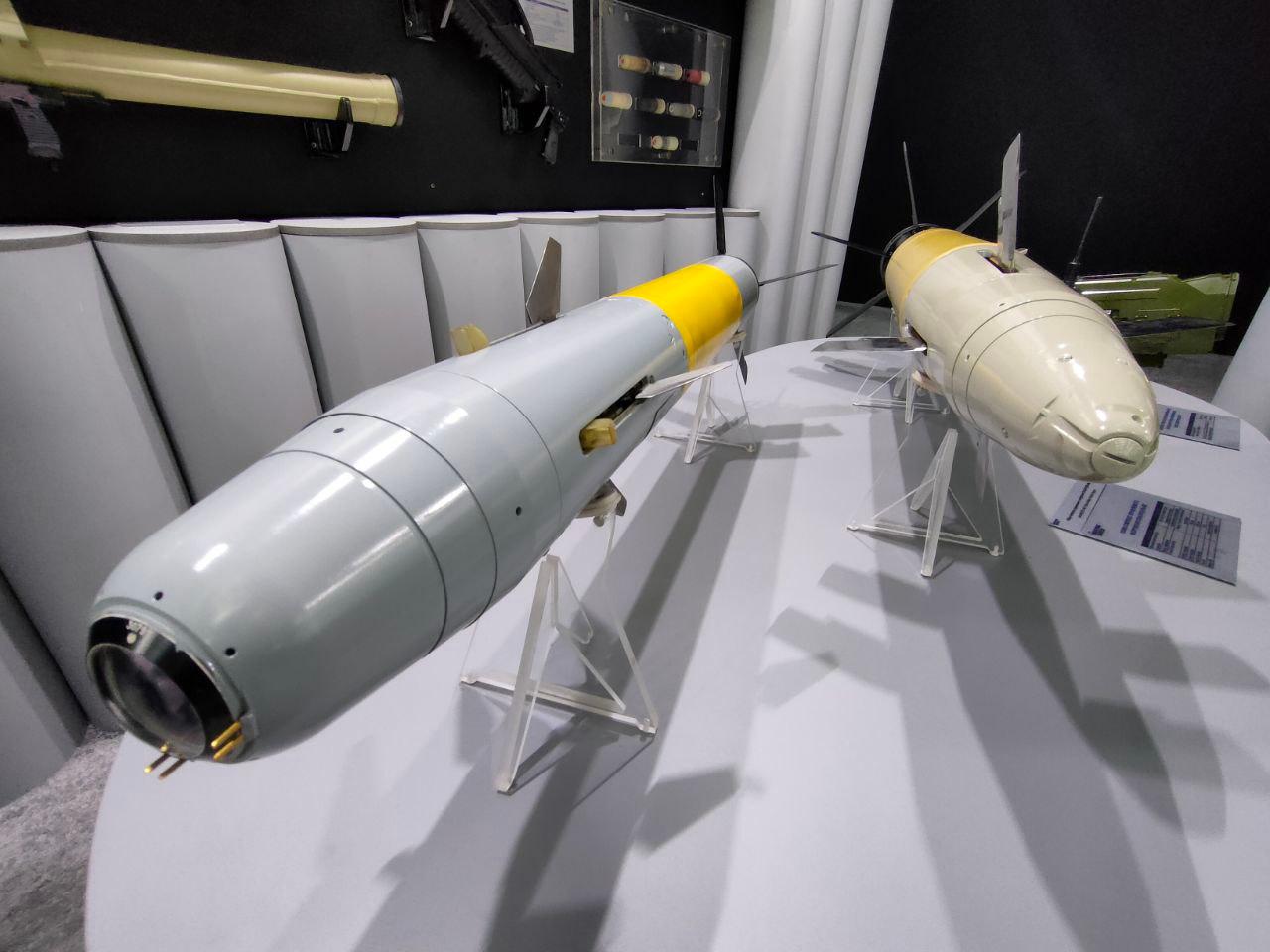
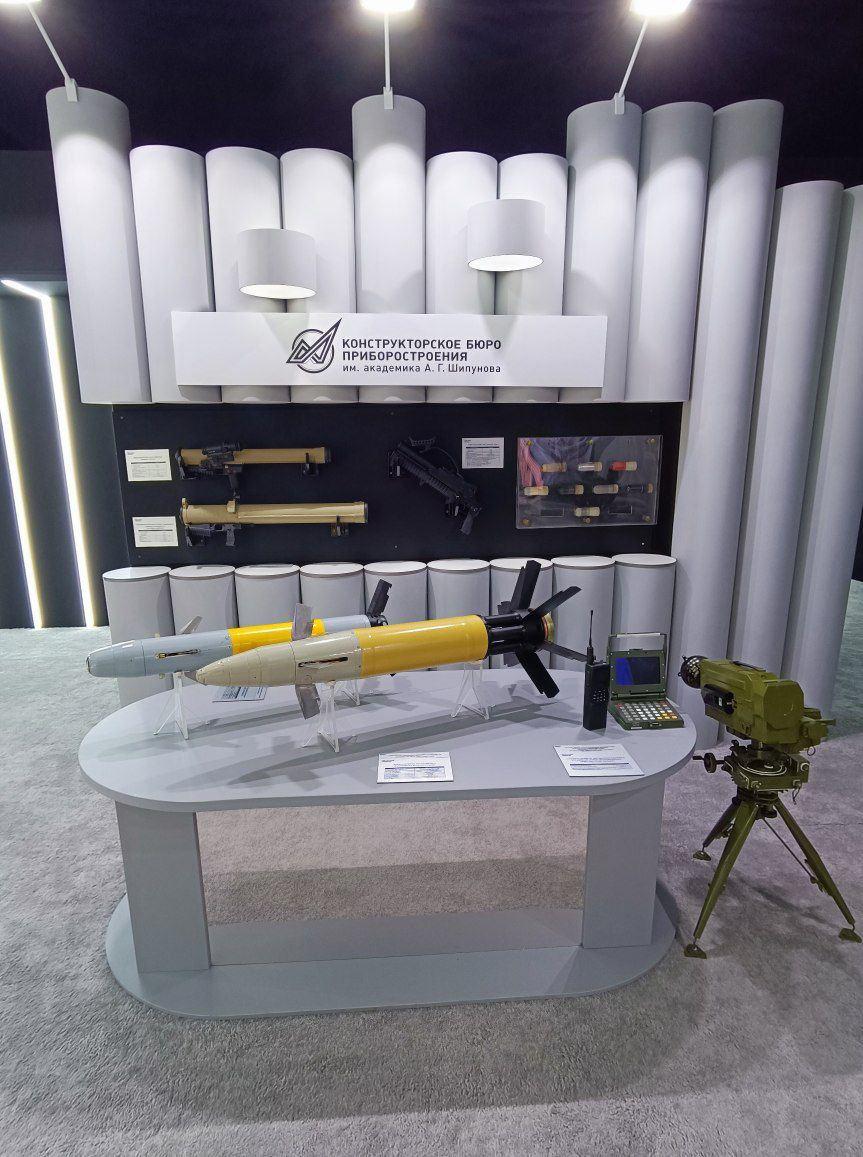
Russian soldiers are actively using improved 152-mm Krasnopol-M2 artillery shells. The ammunition features an increased firing range of 26 km, as well as increased accuracy in hitting small targets. In 2024, the High-Precision Systems holding (part of Rostec) increased the production volume of these shells by 20 times.
Read also on the topic:
Rostec plans to modernize Krasnopol artillery shells
Russian artillerymen received shells for the Gvozdika self-propelled guns with an increased range
Krasnopol shell is used to create long-range ammunition
Never miss our newsAdd this site to your preferred sources to see us more oftenAdd on Google

















