BMPT "Terminator" from Uralvagonzavod, designed to combat lightly armored targets, tanks, helicopters, and low-flying, slow-speed aircraft, has received an upgraded version.
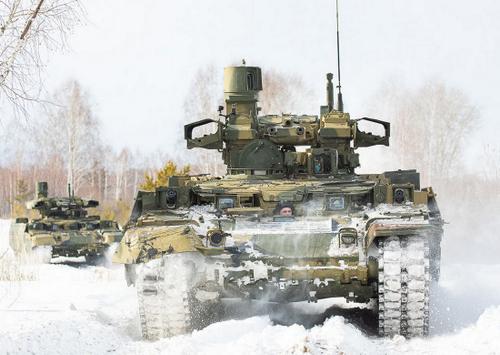
According to "RG", the "Terminator" has been additionally armored with dynamic protection blocks, grilles on observation devices, and an anti-drone visor. And the crew members have 6B48 "Ratnik-ZK" protective equipment.
However, it is not the only solution for protecting Russian tankers. Since November 2023, they can be seen wearing a special protective suit, capable of protecting the tanker from shrapnel and fire when the tank is hit during combat.
The "Terminator" tank support fighting vehicle was adopted by the Russian Ministry of Defense in 2018. With a weight of 47 tons, it develops a speed of 65 km/h with a range of 550 km and is considered one of the best in its class. Its armor protection, according to manufacturers, surpasses even the T-90 tank, and is being refined based on the recommendations of the military.
In addition, this BMPT is notable for its ammunition load - it includes two 7.62mm machine guns, two 30mm cannons, two 30mm grenade launchers, Ataka-T ATGM with several missiles, and the possibility of installing cannons. The maximum range of destruction by Terminator missiles is up to 5 km.
Never miss our newsAdd this site to your preferred sources to see us more oftenAdd on Google

















