Scientists and students from Sevastopol State University have tested their new Sea Scorpion drone for collecting garbage in the water area.
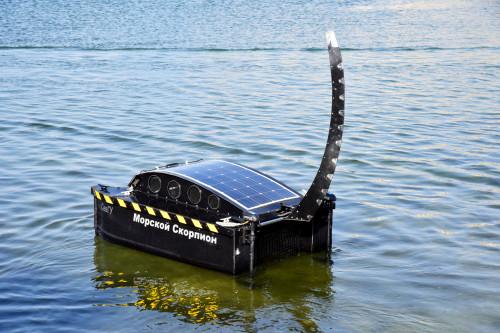
According to the university's press service, the drone is 80% made of Russian-produced materials. It weighs only 60 kilograms. In one trip to the sea, it can collect half a cubic meter of garbage in the net.
The Sea Scorpion has two batteries that last for three hours of operation. An additional power source is a solar panel that constantly accumulates energy.
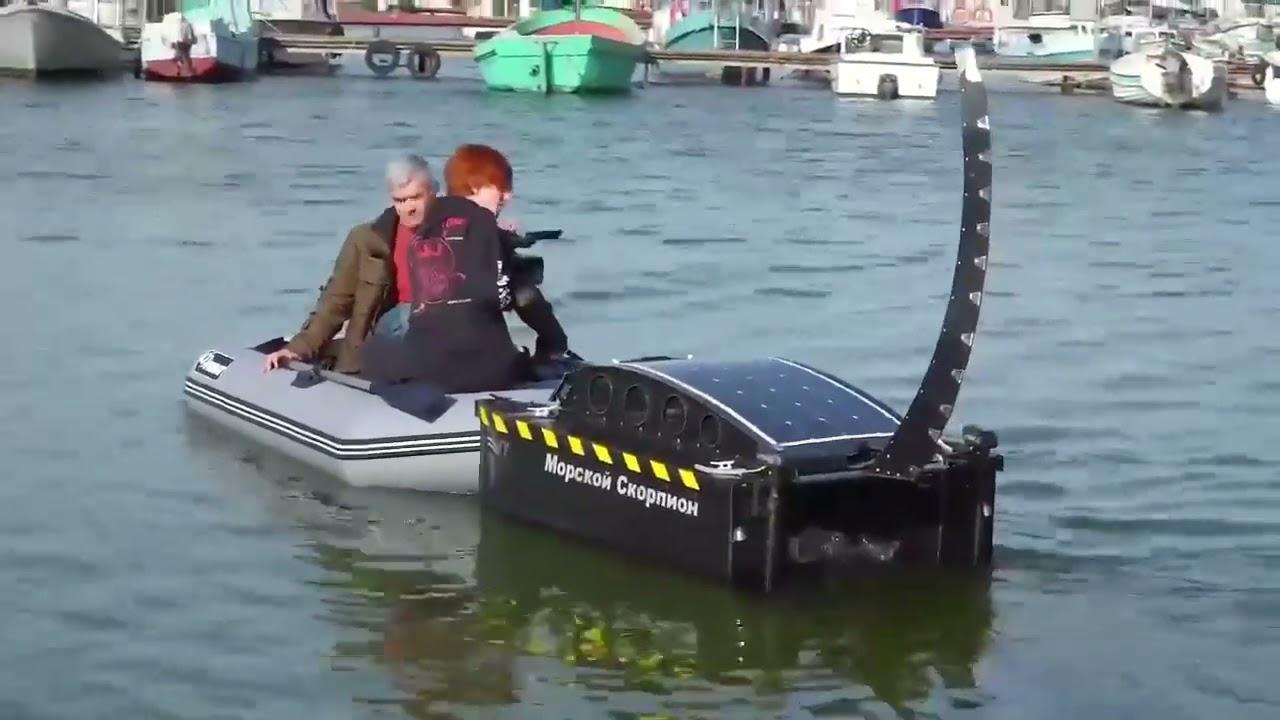
For now, the drone can be used for minor pollution incidents, so as not to use expensive special equipment for its cleaning. Also, according to scientists, it is "capable of getting rid of oil spills by spraying a special substance on them", which is safe for the water area. But it will be improved - students of the Department of Mechanical Engineering Technology of the Polytechnic Institute of Sevastopol State University won a grant of half a million rubles and the Sea Scorpion will be modernized with these funds.
In addition, a prototype is being developed for the mass production of the device - it is planned to be released into mass production as early as 2025.
Never miss our newsAdd this site to your preferred sources to see us more oftenAdd on Google

















