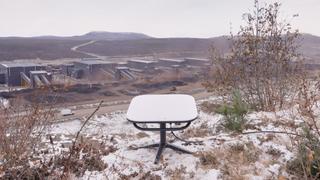
The Federal Customs Service spoke about an experiment that has been conducted since the beginning of the year at the Zabaikalsk IAPP. New portal inspection and examination complexes (IDCs) were installed there for six months on the border with China at the entrance and exit from Russia. They eliminate live queues and contact with customs officers - the driver does everything himself.
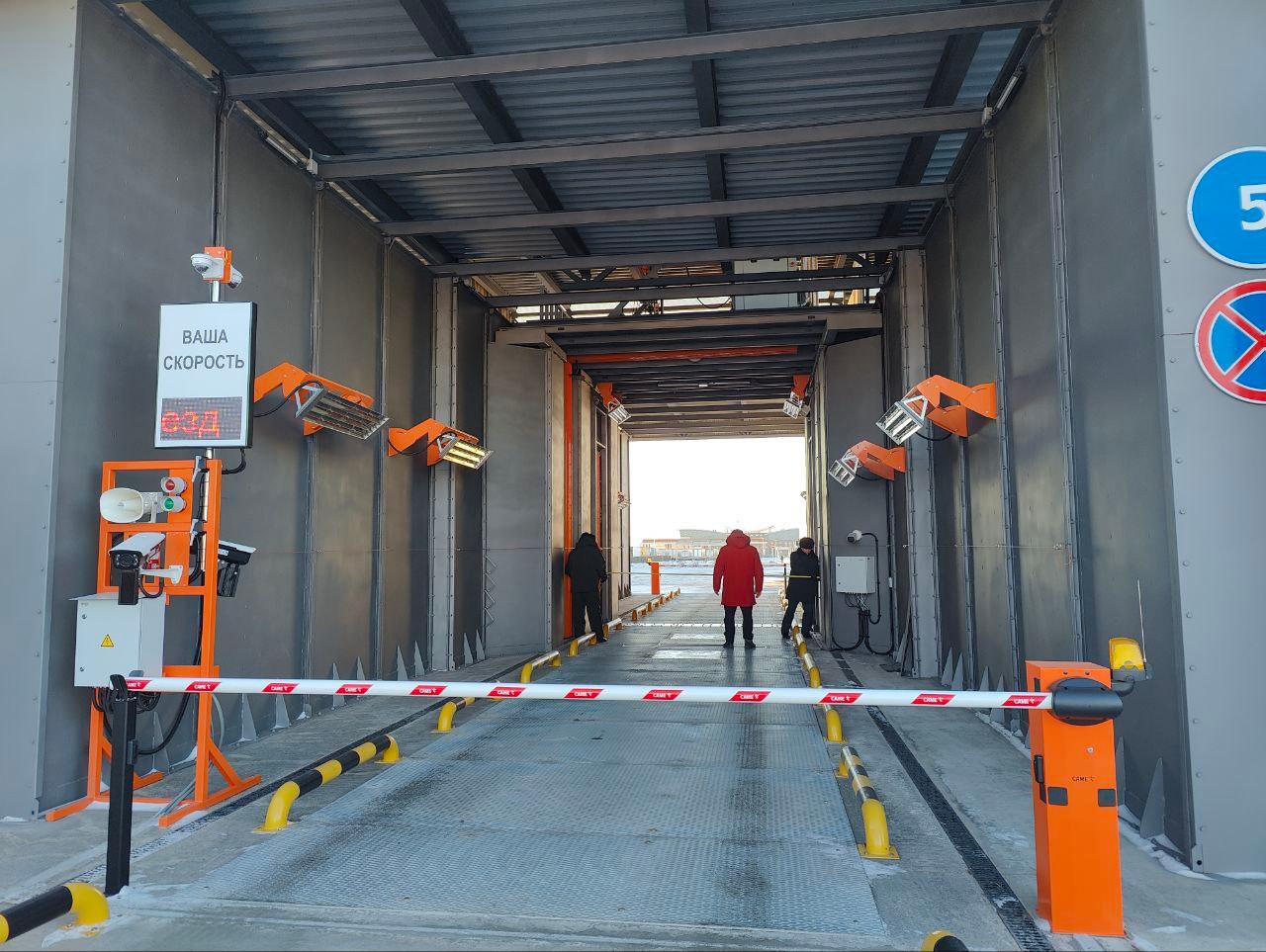
Cars, including huge trucks, pass through the complex at a low speed, while being scanned with X-ray radiation in doses that are safe for people and the environment. There is no need to go to a separate special area or box for inspection.
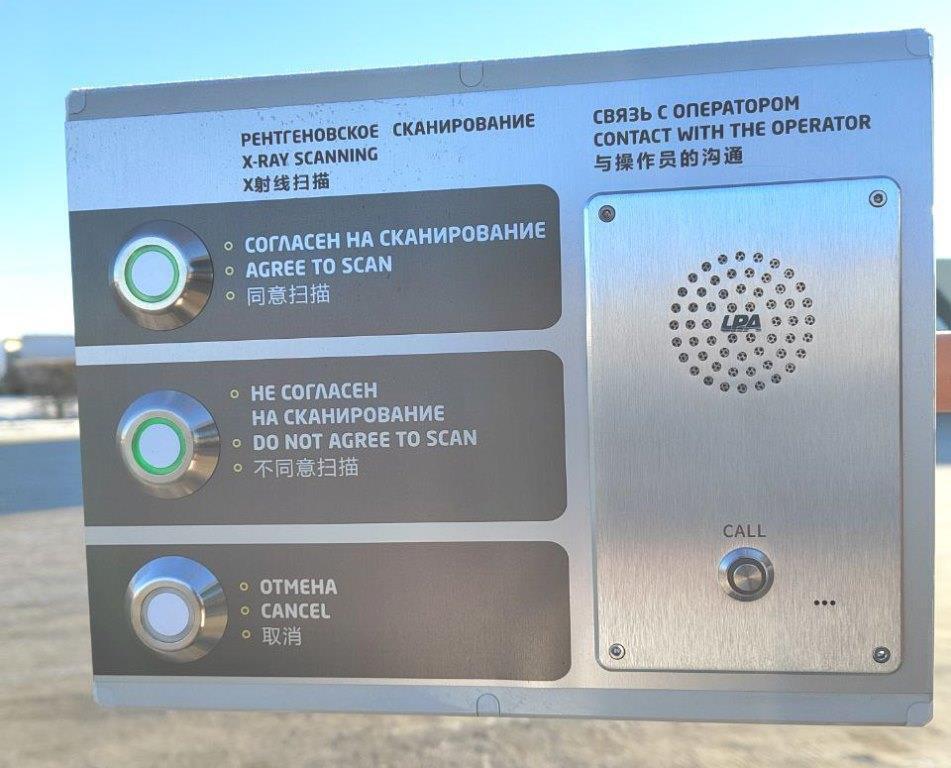
The FCS notes that so far the electronic queue system at the borders is working without failures and congestion of cars at checkpoints.
In addition, in Zabaikalsk and Bugristoye you can book the time and date of arrival at the checkpoint.
Russian carriers can receive temporary slots through the service on the website of the Rosgranstroy checkpoint directorate, self-service terminals at the corresponding border crossings. And from March 1, 2024 - also through "Gosuslugi".
Citizens of foreign countries can book the time and date of crossing the border through the state information system of electronic transportation documents. As well as through the service on the website of the Rosgranstroy checkpoint directorate or self-service terminals at border crossings.
Earlier www1.ru wrote that TSU scientists and Finpromatom will develop a Russian technology for producing photosensitive gallium arsenide, which is necessary for serial production of X-ray color image detectors, and their colleagues from Moscow State University synthesized new luminescent materials that improve the operation of X-ray devices. The work of scientists will allow creating X-ray machines with higher resolution and smaller dimensions.
Never miss our newsAdd this site to your preferred sources to see us more oftenAdd on Google