Scientists from Novosibirsk State University (NSU) have developed fabrics with a photoactive impregnation that destroys organic substances and microorganisms under the influence of light. In fact, they created a self-cleaning fabric.
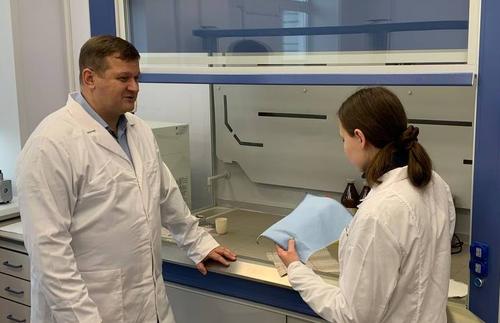
The developers have received a patent for the composition of a photoactive coating, which, among other things, deactivates viruses and bacteria on the surface of the fabric. NSU believes that the fabric is suitable for sewing work clothes.
A special catalyst based on titanium dioxide is used in the processing of fabrics.
According to him, previously such photocatalysts were activated by ultraviolet light, but were inactive in daylight. However, Dmitry Selishchev, a researcher at the center, improved the composition of the catalyst, which triggers the process of cleaning the fabric in visible light or under ordinary lamps.
The university said that the development has interested the capital's "Aerolife" plant. The production of self-cleaning fabric is considered a promising area, such fabric will be in demand in the market, NSU summarized.
Earlier, scientists from Tomsk developed durable ceramics using pomelo decomposition products.
Never miss our newsAdd this site to your preferred sources to see us more oftenAdd on Google

















