This past week, the Ministry of Education announced how they will implement an educational project to develop youth drone technology in Russia over the next six years. The idea is included in a number of projects for the digitalization of Russian education, and in the national program for the development of unmanned aircraft systems (UAS).
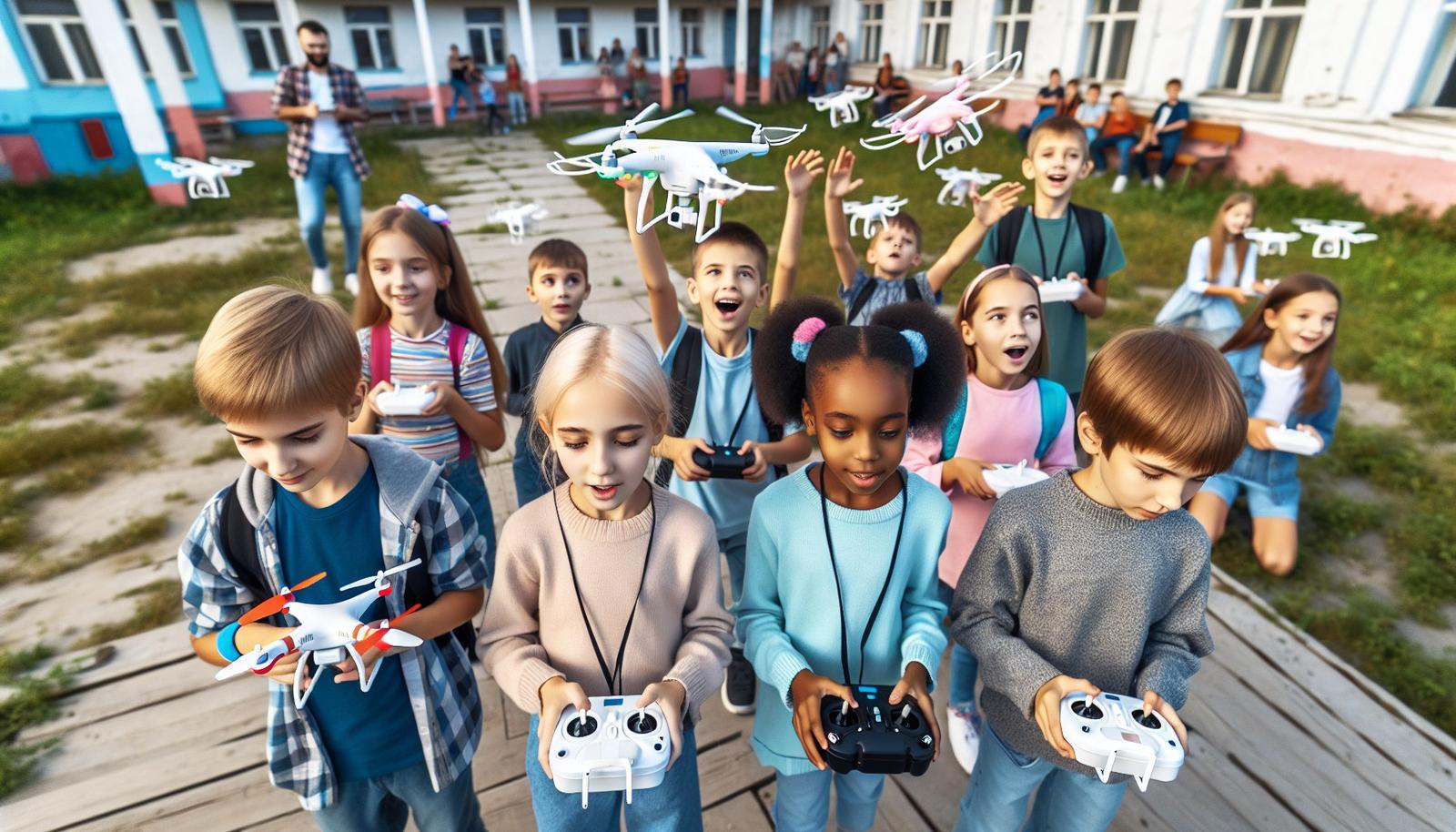
Each school participating in the project "Personnel for unmanned aircraft systems" will have not only workstations equipped with computers, but also:
● large and small flight zones for UAV testing of at least 100 square meters with ceiling heights of three meters and a mesh for drone safety;
● infrastructure solutions for working with UAVs: light gates, rings and markers for practicing maneuvering and conducting competitions, take-off and landing sites, transmitters, reading modules and marking systems;
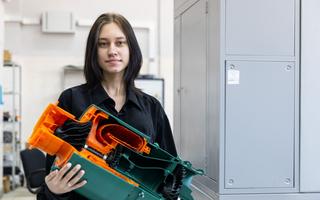
● repair areas with tools and parts, 3D printers with a set of needle files, nozzles for a glue gun, and hair dryers for drying the product.
There are restrictions on the drones that will be created. Children and adolescents can assemble models no more than 100 grams and sizes no less than 160×120×35 millimeters. The drones of future drone operators should fly for at least 10 minutes to a range of at least 50 meters at a speed of no more than 20 km/h.
Meanwhile, according to the Ministry of Education and Science, Russia has already begun to train a new generation of specialists to work with UAS at the university level.
The Saratov National Research State University named after N. G. Chernyshevsky released the first group of students of the course "Specialist in the operation of unmanned aircraft systems, including one or more unmanned aircraft with a maximum take-off weight of 30 kg or less."
Fifty specialists conducted pre-flight checks and test launches using a hybrid installation for training drone piloting in VR format.
Never miss our newsAdd this site to your preferred sources to see us more oftenAdd on Google