A Canadian weapons expert shared his opinion on Russian Mosin rifles, advising against purchasing them. He noted their high reliability but emphasized that sanctions against Russia have significantly complicated and increased the cost of buying these weapons for North Americans.
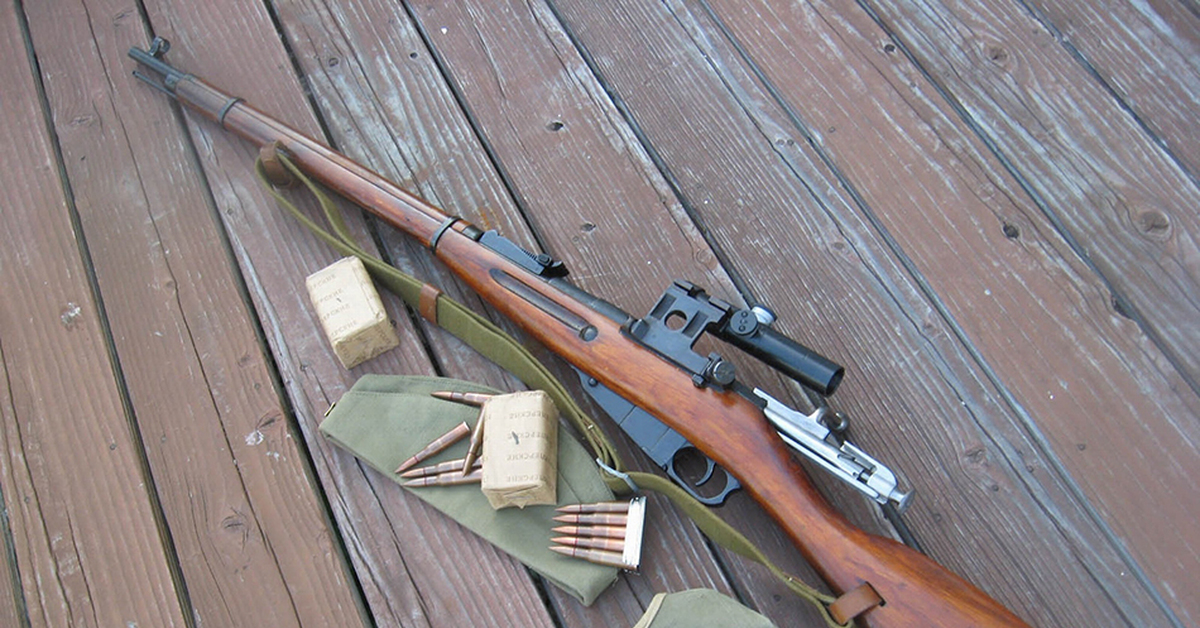
The Mosin rifle, created in 1891 by Russian designers Sergei Mosin and Emile Nagant, became one of the most mass-produced rifles in history. Over more than 80 years of production, over 37 million units were manufactured. The simplicity, low cost, and reliability of its design made it a benchmark for early 20th-century combat weapons.

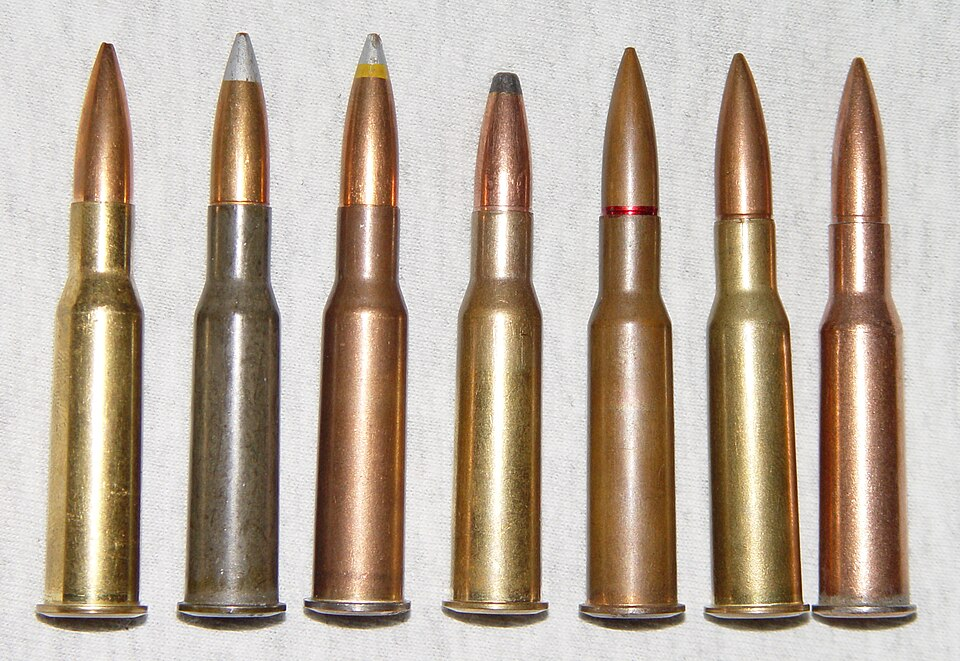
The system is based on the 7.62×54R cartridge - one of the oldest rifle cartridges, which is still in service and mass-produced in Europe.
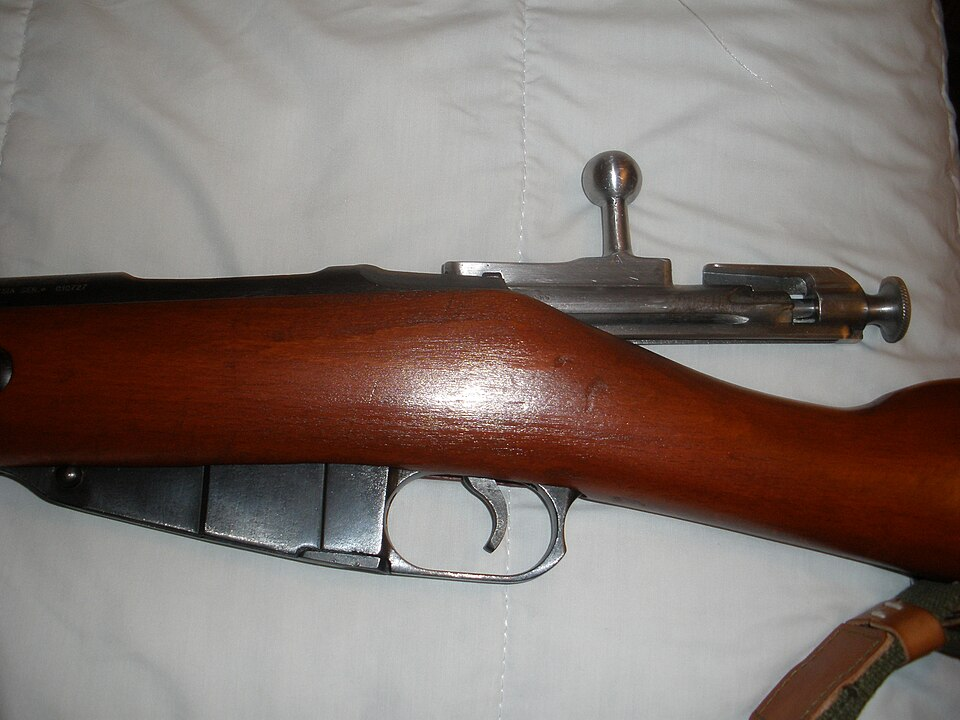
According to the expert, one of the key features of the rifle is its minimal maintenance requirements. The design allows the weapon to be used even when significantly dirty. The only situation that requires regular cleaning is the use of corrosive ammunition, which is still available on the secondary market. However, even in this case, deposits are easily removed with standard barrel cleaning agents.
Previously in North America, Mosin rifles could be purchased for $100-250 USD, making them accessible to both beginners and experienced shooters. Today, the market price has increased significantly - depending on the condition and rarity of the model, the cost ranges from $500 to $800, and particularly valuable specimens exceed $1000.
The main reason for the price increase is the limited availability of new samples. Despite the huge number of previously produced rifles, their stocks on the international market are gradually being depleted. At the same time, demand remains steadily high: the weapon is valued for its historical significance, structural strength, and relatively low cost of shooting when using army surplus.
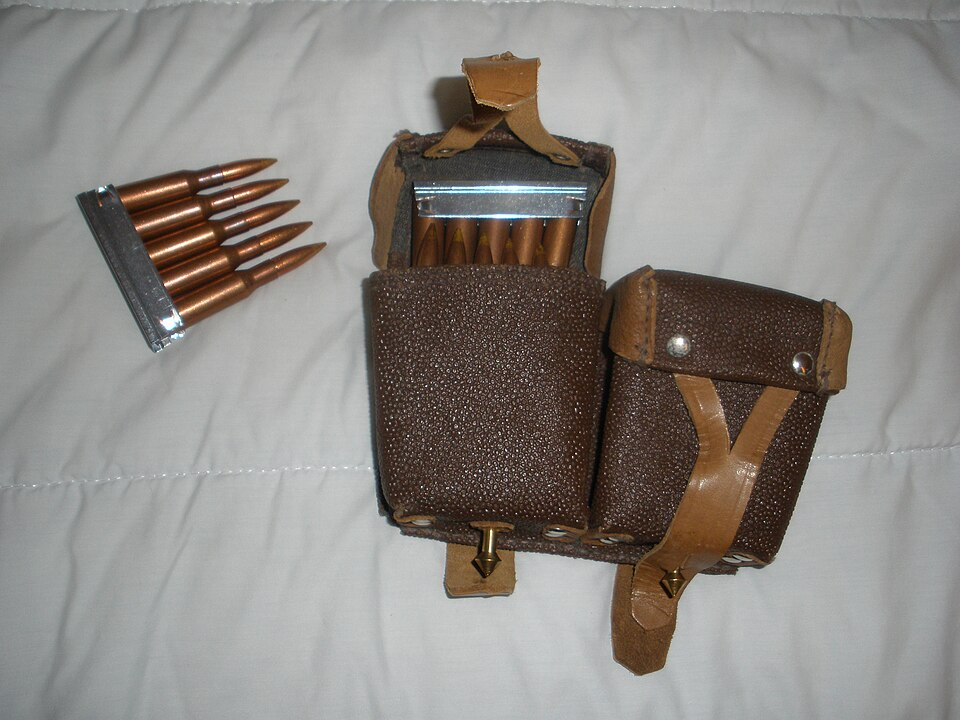
For those considering the Mosin-Nagant as a shooting weapon, it is worth considering the availability of cartridges. Despite the cessation of production of new batches in some regions, surplus ammunition can still be found on the market, which is cheaper than commercial counterparts for .308 Win or .30-06 Springfield.
Thus, the Mosin rifle is not just a historical artifact, but a functional weapon with a time-tested design that continues to be a relevant choice for enthusiasts, collectors, and lovers of classic rifles.
Tactical and Technical Characteristics (TTC) of the 1891/30 Mosin Rifle:
- Caliber - 7.62 mm.
- Weight with bayonet (without cartridges) - about 4.5 kg, without bayonet and cartridges - 4.0 kg.
- Length with bayonet - 1,660 mm, without bayonet - 1,232 mm.
- Barrel length (with chamber) - 739 mm, length of rifled part - 657 mm, number of grooves - 4.
- Initial bullet velocity - 865 m/s.
- Combat rate of fire - 10 rounds per minute.
- Sighting range - up to 2,000 m.
- Magazine capacity - 5 rounds.
- Weight of clip with cartridges - 122-132 g.
- Bullet weight - 9.5 g.
Read more materials:
- Kalashnikov Completes Delivery of Chukavin Sniper Rifles to Customer and Plans to Increase Production in 2026
- Compact Sniper Rifle DVL-10 M2 "Urbana" Expands Capabilities of Snipers in Urban Environment
- "Orsis T-5000" Transformed into Army Rifle
Never miss our newsAdd this site to your preferred sources to see us more oftenAdd on Google

















