Translated with AI from the Russian original.
The MiG-31 interceptor fighter has reached its 50th anniversary of its first flight. Today, the combat aircraft is considered the highest-altitude and fastest in the world that is in operation.
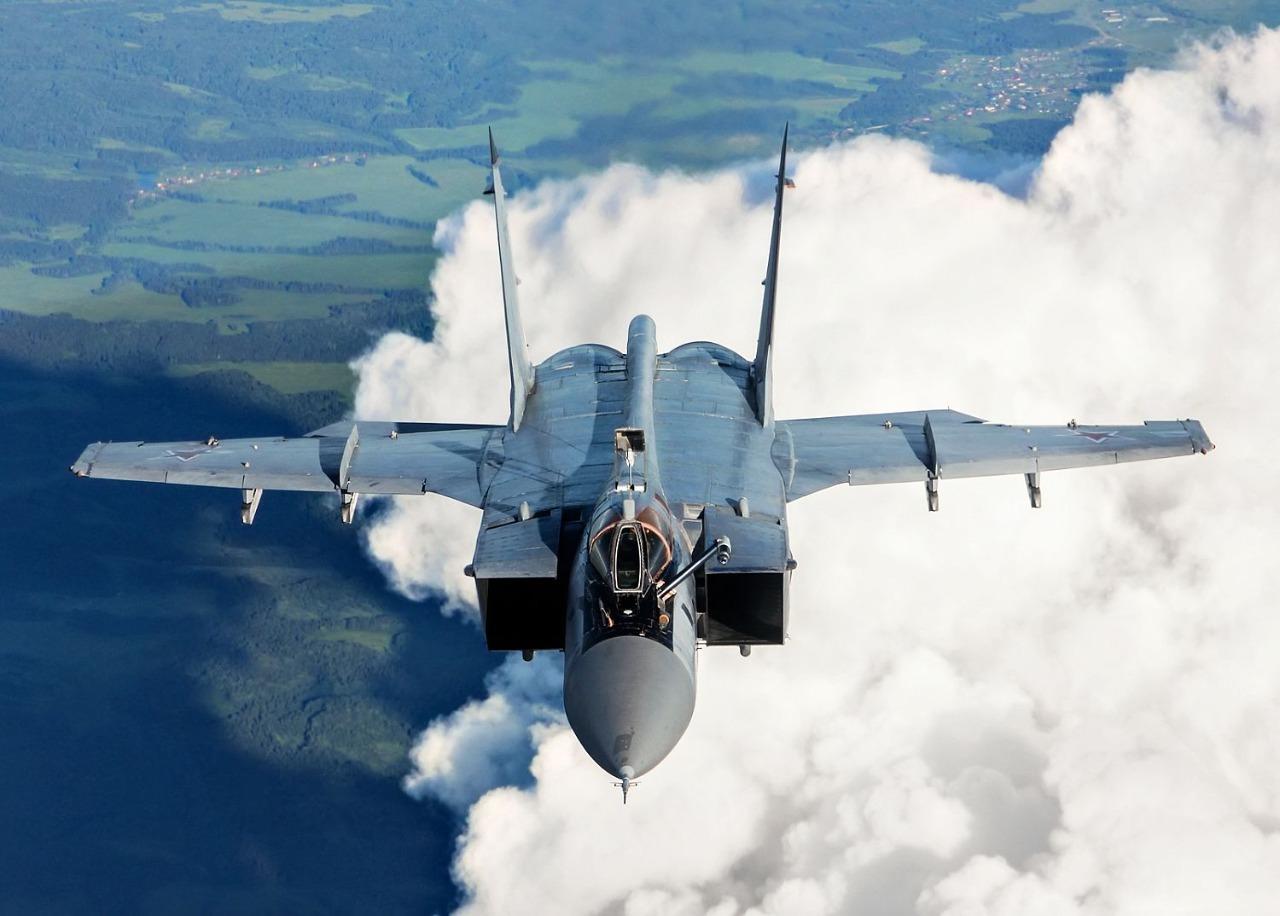
The debut flight of the MiG-31 took place on September 16, 1975, in the Moscow region city of Zhukovsky, with Alexander Fedotov at the controls. In June 1974, the leadership of the USSR decided to produce experimental MiG-31 aircraft.
Flight tests of the interceptor were carried out simultaneously with preparations for mass production. In May 1977, the MiG-31 was presented for joint state tests and was adopted into service on May 6, 1981.
The MiG-31 was produced in 1975-1994 at the Sokol aircraft plant in Gorky, with a total of 519 units built. Currently, aircraft of this type are in service with the Aerospace Forces (VKS) of the Russian Federation and the Air Defense Forces of Kazakhstan.
In 2013, the number of combat-ready aircraft, according to Alexander Zelin, who was the commander-in-chief of the Air Force at that time, was about 190 aircraft. Newer data has not been published.
Flight Performance Characteristics and Design
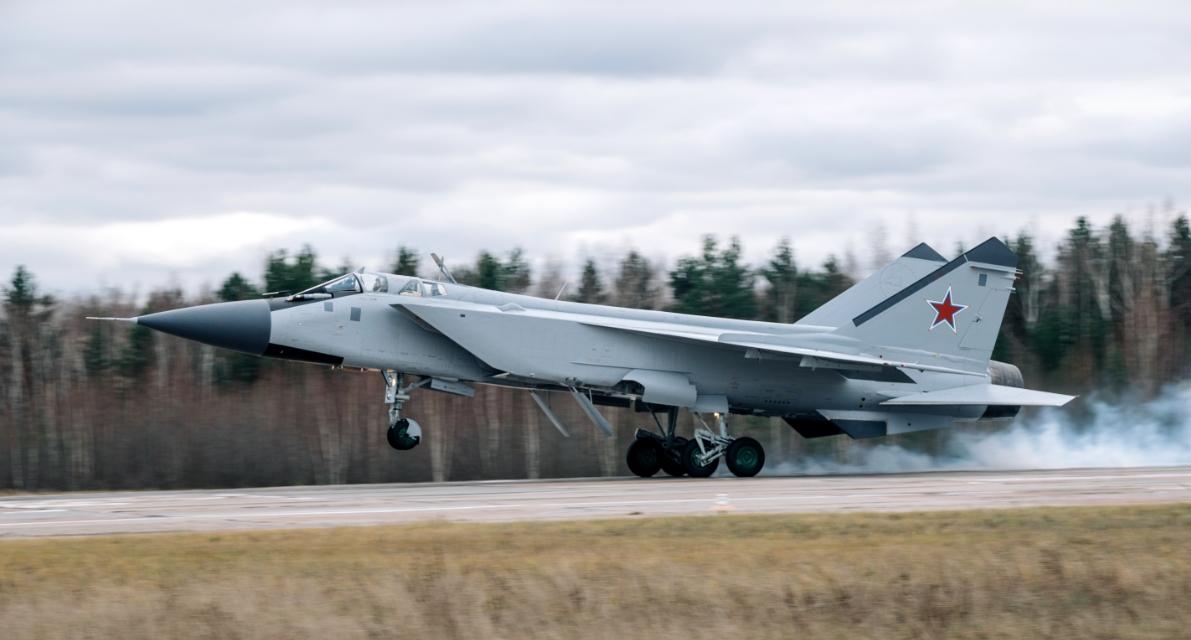
The MiG-31 was built according to an aerodynamic design with twin-keel vertical tail, trapezoidal wing, three-pillar retractable landing gear, and two D-30F-6 engines in the tail section of the fuselage.
The length of the aircraft is 22.68 m, the practical ceiling is 20.6 thousand m, the combat radius is 720 km, the crew is two people, the take-off weight is 41 thousand kg, the practical range is 2 thousand 500 km.
MiG-31 Armament
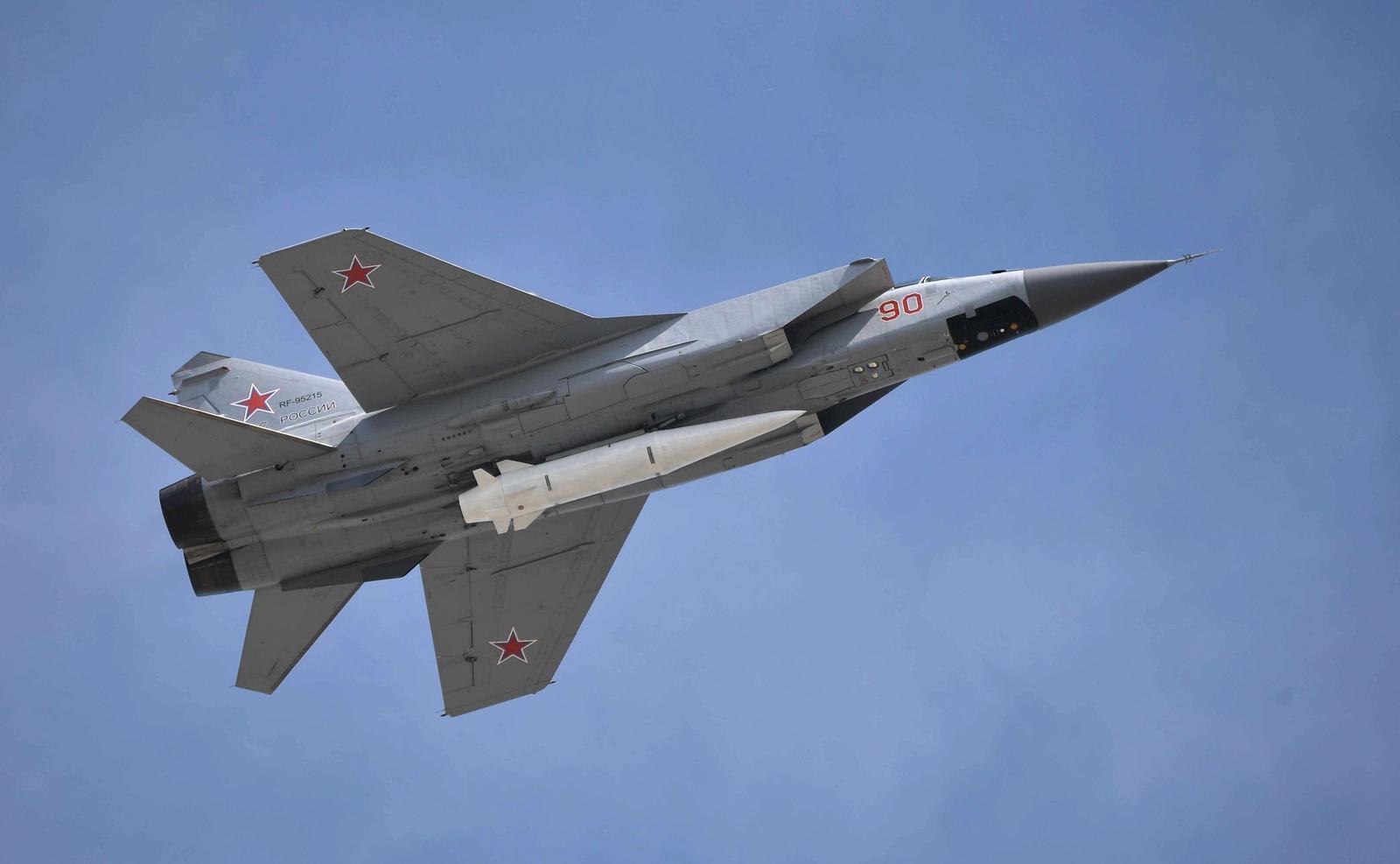
The aircraft is armed with a Kinzhal hypersonic aeroballistic missile, a six-barreled 23 mm caliber cannon, aerial bombs, and missiles of various types of the "air-to-surface" and "air-to-air" classes.
According to experts, the Kinzhal complex includes a single-stage solid-propellant guided missile 9M723 of the Iskander-M ground-based operational-tactical complex (OTRK), modernized for air launch.
Modification
The upgraded MiG-31BMs were equipped with radar stations and a new weapons control system, allowing them to hit targets at a distance of up to 280 km and detect them at a distance of up to 320 km.
The aircraft is capable of tracking up to ten and engaging six aerial targets simultaneously. In 2016, the Aerospace Forces received 17 MiG-31BMs, and in 2017 - more than 20 more.
Official data on the number of MiG-31Ks received by the Russian military department has not been publicly released.
Earlier www1.ru reported that footage appeared of the flight of the X-101 strategic missile for the Tu-160 and Tu-95MS.
Read also materials:
Second only to the Su-57: the mainstay of Russian combat aviation has been named
"A queue of customers": Su-34, Su-35S and Su-57 fighters have aroused great interest abroad
The likely base of "Oreshnik" abroad has become known
Never miss our newsAdd this site to your preferred sources to see us more oftenAdd on Google

















