Translated with AI from the Russian original.
Moscow and Beijing have modern submarine fleets. Both countries demonstrated this during patrols in the Asia-Pacific region, writes military expert Brandon J. Weichert in the article "Joint Submarine Exercises Between China and Russia: A Strategic Nightmare Looming?" for The National Interest.
Russia and China have been conducting various joint exercises since 2012. And since 2021, the countries have been conducting patrols using surface ships and submarines in various parts of the World Ocean, the expert emphasized.
Joint actions include bomber patrols near Alaska and naval transits near US allies such as Japan and the Philippines.
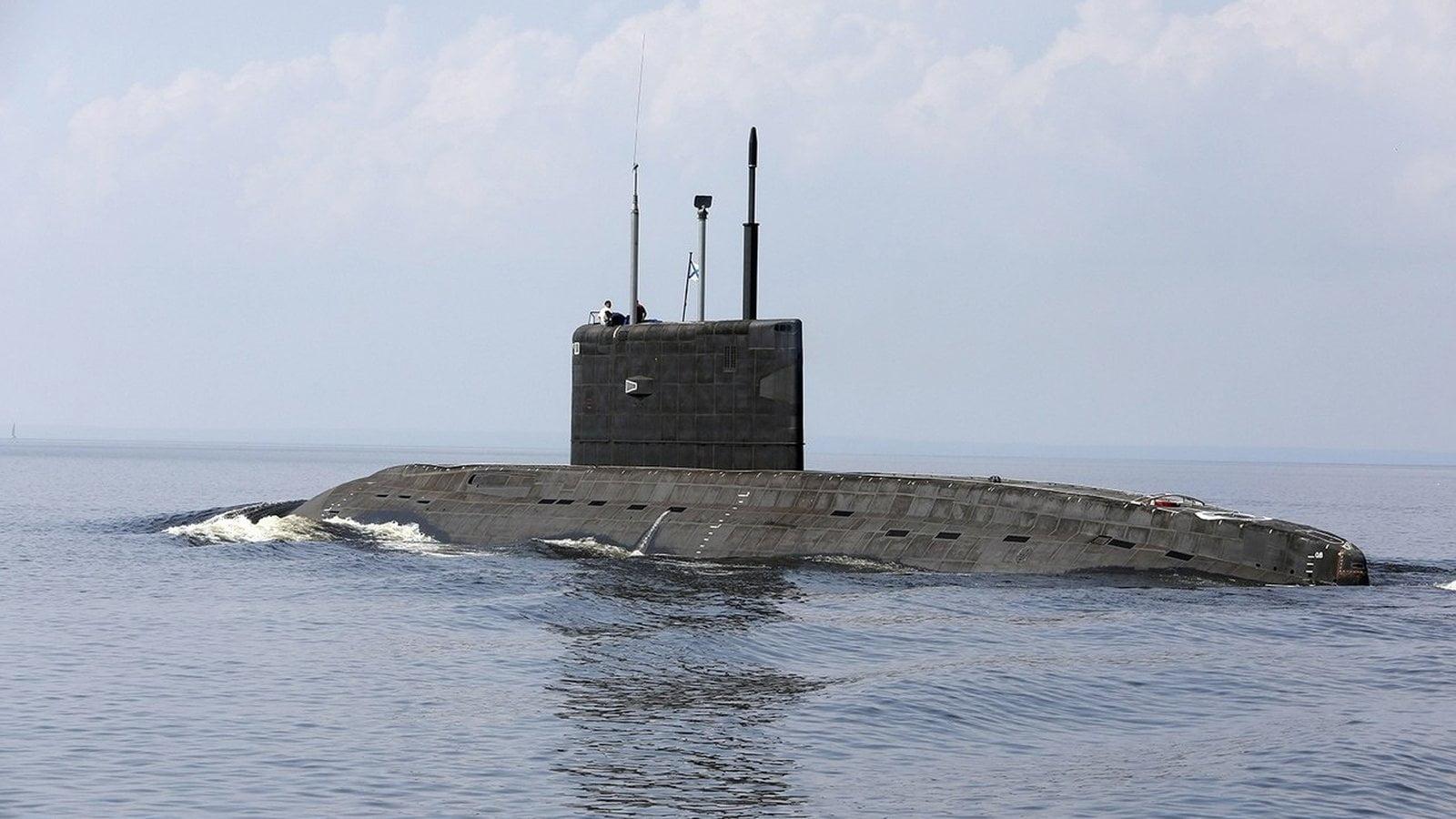
Weichert noted that both countries use powerful submarines. During the last patrol, the diesel-electric submarine "Volkhov" of the Pacific Fleet (project 636.3 "Varshavyanka"), known for its"stealth and advanced sonar systems," was involved. The Russian submarine carries Kalibr cruise missiles.
China sent a diesel-electric submarine, probably of the "Yuan" class (Type 039A), which is equipped with an air-independent power plant to increase underwater time and is optimized for coastal defense in the Indo-Pacific region.
Experts note that diesel-electric submarines are ideal for operations in shallow water, making them effective in places like Scandinavia.
Weichert claims that China has gained access to Russian technologies related to submarine construction, including noise reduction technologies.
Strengthening the naval partnership may embolden China in the South China Sea, where submarines are already active. In response, the US Navy's Indo-Pacific Command has stepped up anti-submarine surveillance, deploying Virginia-class submarines and Boeing P-8 Poseidon aircraft.
If the United States does not resort to diplomacy with Russia and China, it will soon find itself without influence in Eurasia.
Read also on the topic:
Rescue Vessels "Igor Belousov" and "Sihai" Entered the Sea of Japan
Never miss our newsAdd this site to your preferred sources to see us more oftenAdd on Google

















