Translated with AI from the Russian original.
The Voronezh-DM missile detection radar station is successfully operating in the Irkutsk region. Similar systems operate in dozens of other locations across the country, creating a continuous radar field.
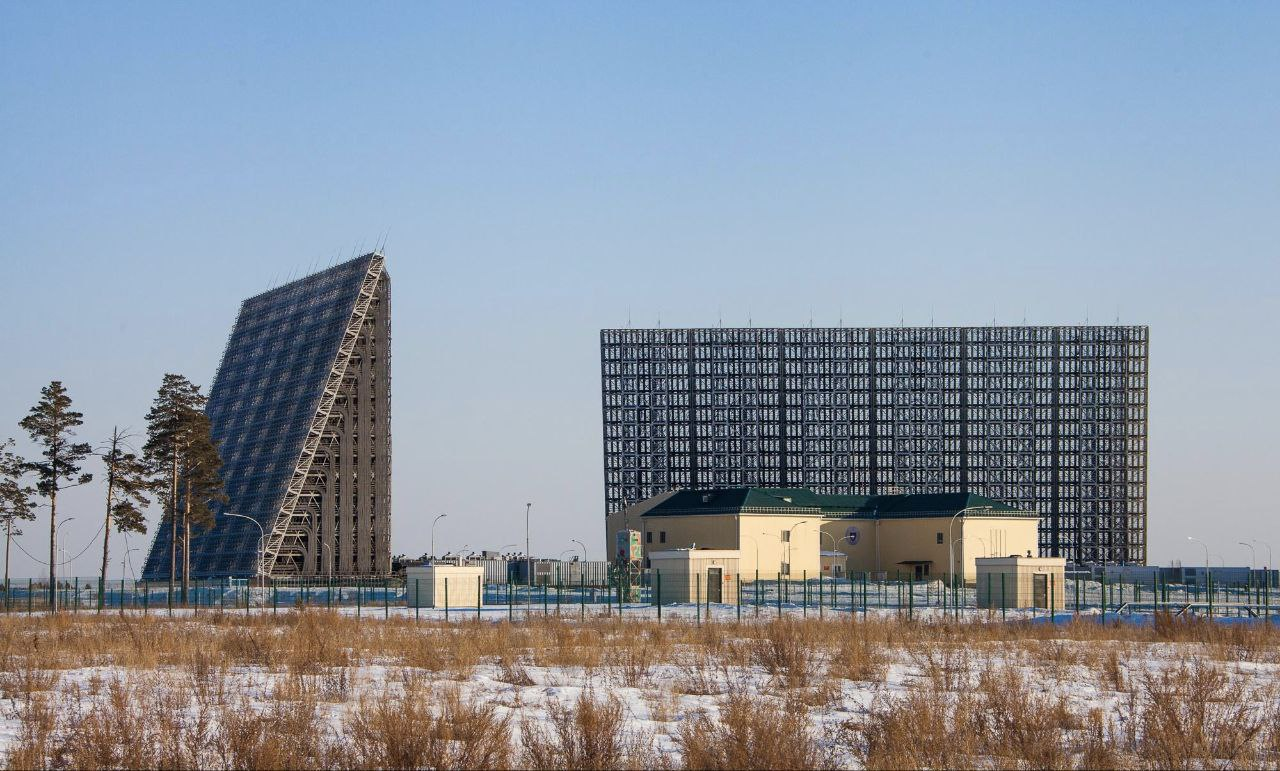
Voronezh-DM will help detect launches of various types of ballistic missiles, including test launches from the World Ocean and from the territories of countries conducting tests.
The system replaced the missile attack warning systems (SPRN) developed in Soviet times (the Gabala radar station in Azerbaijan and the radar station in Skrunda, Latvia). It also includes new generation spacecraft and modernized command posts.
The new radar is an integral part of the ground-based echelon of the missile defense system, which consists of a network of radar stations that detect missiles in flight.
Elements of the system have already been deployed in Armavir, Kaliningrad and Irkutsk. In addition, the station in Sevastopol was modernized. A total of ten such stations are on combat duty. New space systems in three Russian complexes have been put on combat duty together with calculations of S-400 anti-aircraft missile systems (SAM).
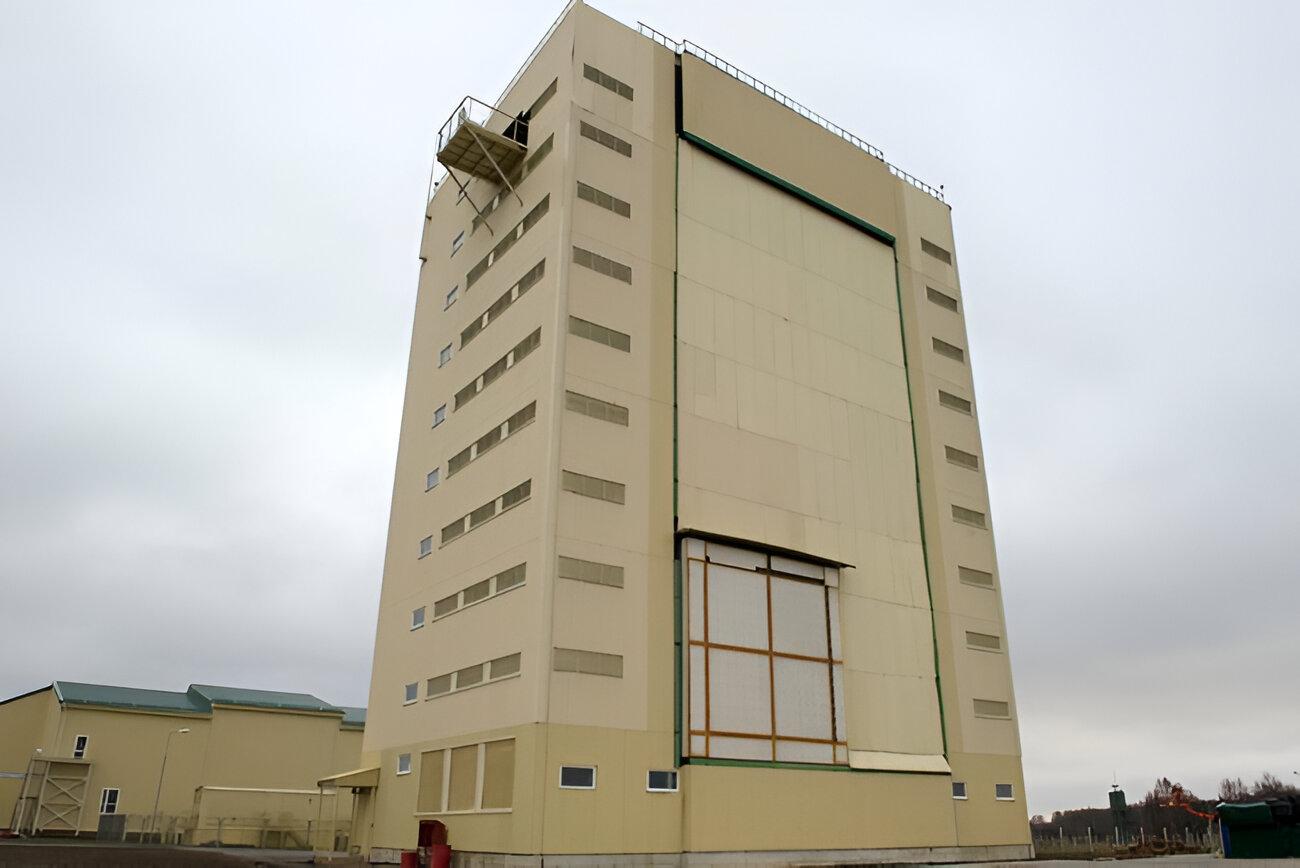
The Voronezh-DM radar can view the whole of Europe and the Atlantic Ocean and keep up to 500 objects in sight. The cost of creating such a station is about 1.5 billion rubles.
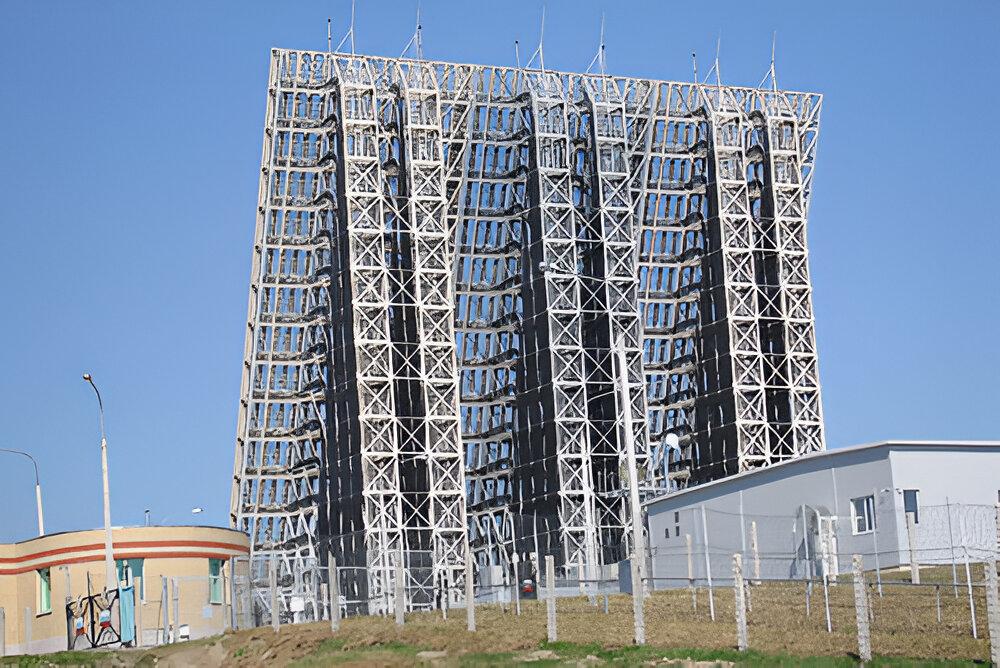
At the same time, only a minimally prepared site is required for the deployment of the radar. The deployment time of the station is 1-1.5 years, while for its predecessors this period was up to 9 years. The range of the stations is up to 6 thousand km.
Compared to previous models, Voronezh-DM consumes less energy, requires significantly fewer personnel and has significantly shorter construction times.
Earlierwww1.ru reported thatthe frigate Admiral Golovko, the carrier of hypersonic Zircons, has completed a long voyage.
Read more materials on the topic:
The latest system from the Pantsir SMD-E came in handy for intercepting enemy UAVs
"Flying" T-80BVM tanks and TOS-1A "Solntsepek" were shown at the Victory Parade in Omsk
Never miss our newsAdd this site to your preferred sources to see us more oftenAdd on Google

















