Translated with AI from the Russian original.
Soviet engineers developed a unique class of submarines "Lira" (Project 705, NATO code name - Alfa), which the United States could not repeat. This is written by military expert Brandon J. Weichert in the article "The Soviet Union Built a Titanium Submarine. Why Didn't America?".
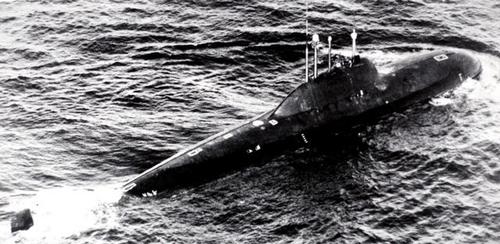
During the Cold War, many new submarine projects were created by both US designers and their rivals - in the USSR. But the Soviet Navy had more interesting projects, some of which became iconic.
In the USA"were always worried about new Soviet submarines that could threaten NATO ships, so the Americans often tried to repeat what they did in the USSR". However, the US Navy could not repeat the innovative development - a submarine with a titanium hull.
The problem is that titanium was hard to get. This is one of the reasons why the US Navy never tried to develop an Alfa-class submarine. Welding a titanium hull is a technically complex process, which leads to an increase in production costs.
At the same time, titanium has many advantages: it is stronger and lighter than steel, less susceptible to corrosion. Submarines made of this material can withstand high pressure, which allows them to dive to great depths.
These submarines could pursue any ship and were stealthy. Thanks to the lighter hull, they had high maneuverability, which in theory meant that they had a better chance of dodging NATO's impressive arsenal of anti-submarine weapons.
Read more on the topic:
The National Interest: Russia relies on modernized T-72, T-80 and T-90 tanks
The National Interest: The T-90M tank may shine on paper, but it is vulnerable to the Javelin ATGM
Will not withstand a PG-7VL grenade hit: The National Interest called the weak spot of the M2A2 Bradley IFV
Never miss our newsAdd this site to your preferred sources to see us more oftenAdd on Google

















