Translated with AI from the Russian original.
The words "for the first time" and "first" have long been synonymous with Soviet and Russian helicopters. In the 1950s, Soviet machines set records for altitude, speed, and payload, surprising the world in the most remote corners of the planet. Thus, helicopter pilots from the Soviet Union were the first to conquer the skies of Antarctica in 1956. Here's a closer look.
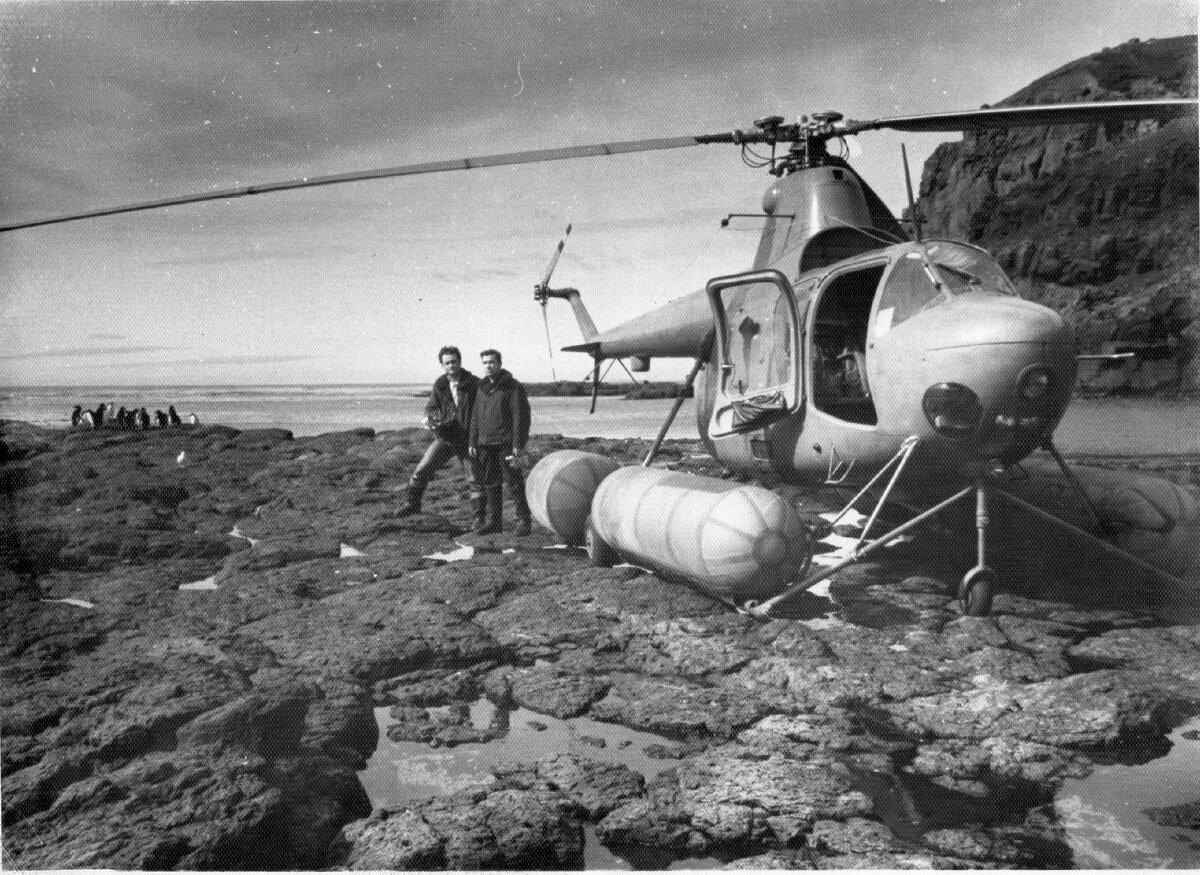
In 1955, an expedition from the USSR Academy of Sciences set off for the shores of the Southern continent. Its flagship was the diesel-electric ship "Ob". On January 5, 1956, a flotilla of research vessels approached Antarctica. It was then that the first flight of the Mi-1 in Antarctica took place.
At the expedition's stop, a site was chosen for the construction of a scientific station, which was headed by Hero of the Soviet Union Mikhail Mikhailovich Somov, and the aviation unit was commanded by Hero of the Soviet Union Ivan Ivanovich Cherevichny.
What is the Mi-1 Famous For?
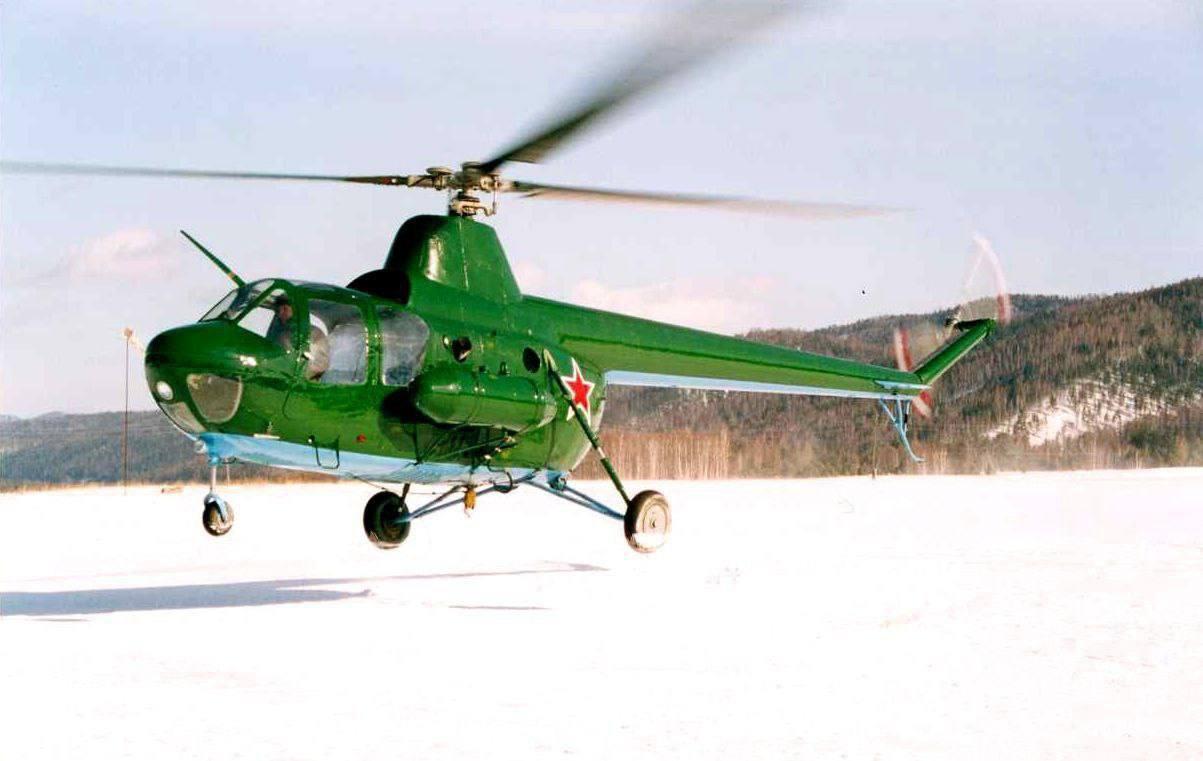
The Mi-1 became one of the first mass-produced single-rotor helicopters in the USSR. Its first prototype took to the air on September 20, 1948. The aircraft was put into mass production in 1951. By 1956, its production had reached hundreds of units.
The helicopters were used for forest protection, medical assistance, and agricultural work. A total of 2,694 aircraft of various modifications were produced.
Technical characteristics
The aircraft's crew consists of one person, and there can be 2 passengers on board. The engine is a "Progress" AI-26V, its power is 575 horsepower, the maximum speed of the helicopter is 170 km/h. The flight range with external fuel tanks is 370 km. The practical ceiling (maximum height of real use) is 3000 m. Wingspan - rotor diameter: 14.35 m, tail rotor: 2.5 m.
The Mi-1 was used not only in the USSR, but also abroad, including the countries of the Warsaw Pact and other states. The helicopter was actively involved in various conflicts. The Mi-1 was even produced in Poland.
Today, the Mi-1 remains an important part of aviation history, and its legacy continues to live on in museums and private collections.
Read more on the topic:
"Kolyma Aviation" acquired two Mi-8MTV-1 helicopters
Mi-2 multi-purpose helicopters: what kind of machine is it
Modern Mi-28NM helicopters have become even faster thanks to saber-shaped propellers
Never miss our newsAdd this site to your preferred sources to see us more oftenAdd on Google

















