Translated with AI from the Russian original.
The Russian army is armed with Khrizantema-S self-propelled anti-tank missile systems (ATGMs). They are designed to destroy promising and modern tanks, including those equipped with dynamic protection.
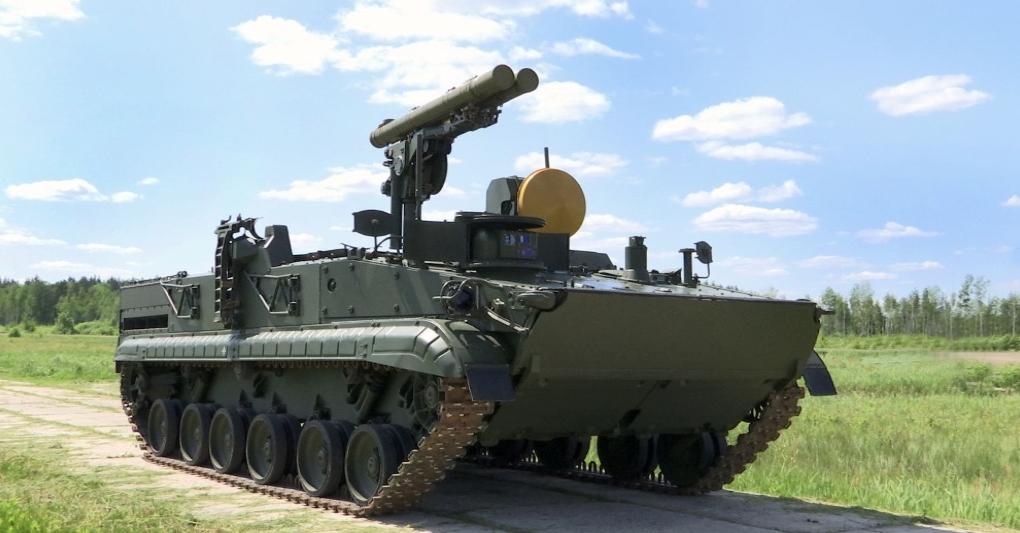
The complex includes a combat vehicle, technical control equipment, 9M123 and 9M123F missiles with a cumulative tandem warhead and a high-explosive warhead.
Khrizantema-S received a combined missile weapon control system from two independent guidance channels - radar and laser. This allows the crew to hit two targets simultaneously.
The basic version of the Khrizantema-S missile carries a cumulative warhead weighing 8 kg. The maximum missile launch range is 6 km, and it is capable of penetrating 1100 mm of armor behind dynamic protection.
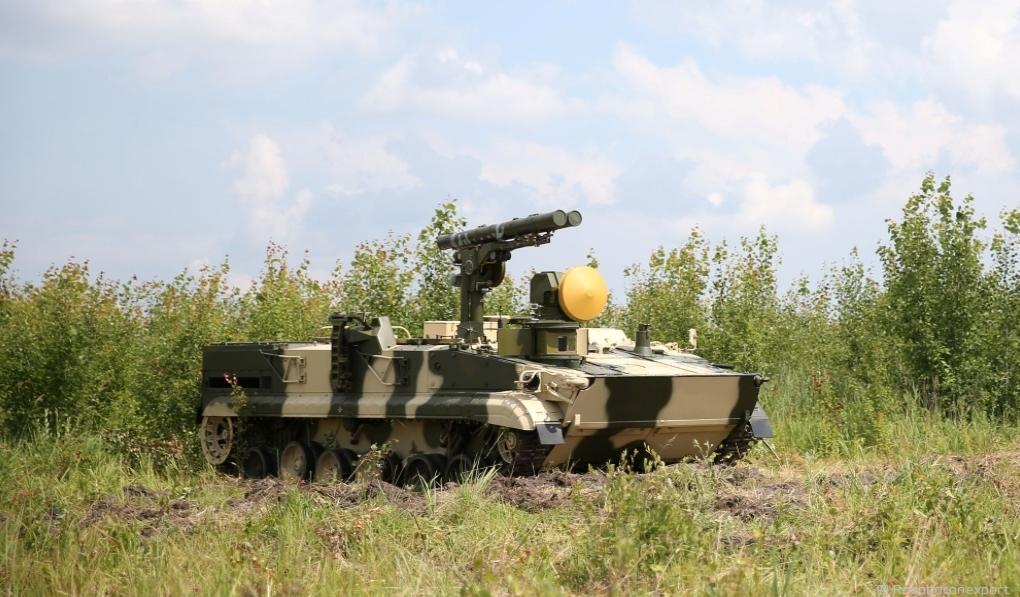
In March 2024, it became known that after modernization, the ammunition increased the range of controlled flight. At the same time, the designers of the High-Precision Complexes holding completely preserved its physical dimensions in order to avoid modifications to the missile carriers.
Tactical and technical characteristics of Khrizantema-S
- Types of warheads - cumulative and high-explosive
- Number of missiles in the ammunition rack - 15 pcs
- Loading and reloading of the PU - automatic
- Selection of missiles by type of warhead - automated
Earlierwww1.ru reported that footage of thelatest Russian kamikaze drone appeared on the Web.
Read on the topic:
The Russian Navy received 30 warships and submarines in 2024
Elusive Hypersound: Expert tells what weapons Russia will pay special attention to in 2025
Never miss our newsAdd this site to your preferred sources to see us more oftenAdd on Google

















