Test pilot Sergey Bogdan called the two-seat Su-57D a unique aviation complex after the successful first flight of the new modification. The aircraft was taken into the sky by the Sukhoi Design Bureau's chief pilot; the flight proceeded normally at medium speeds and altitudes, with no issues reported regarding the onboard systems.
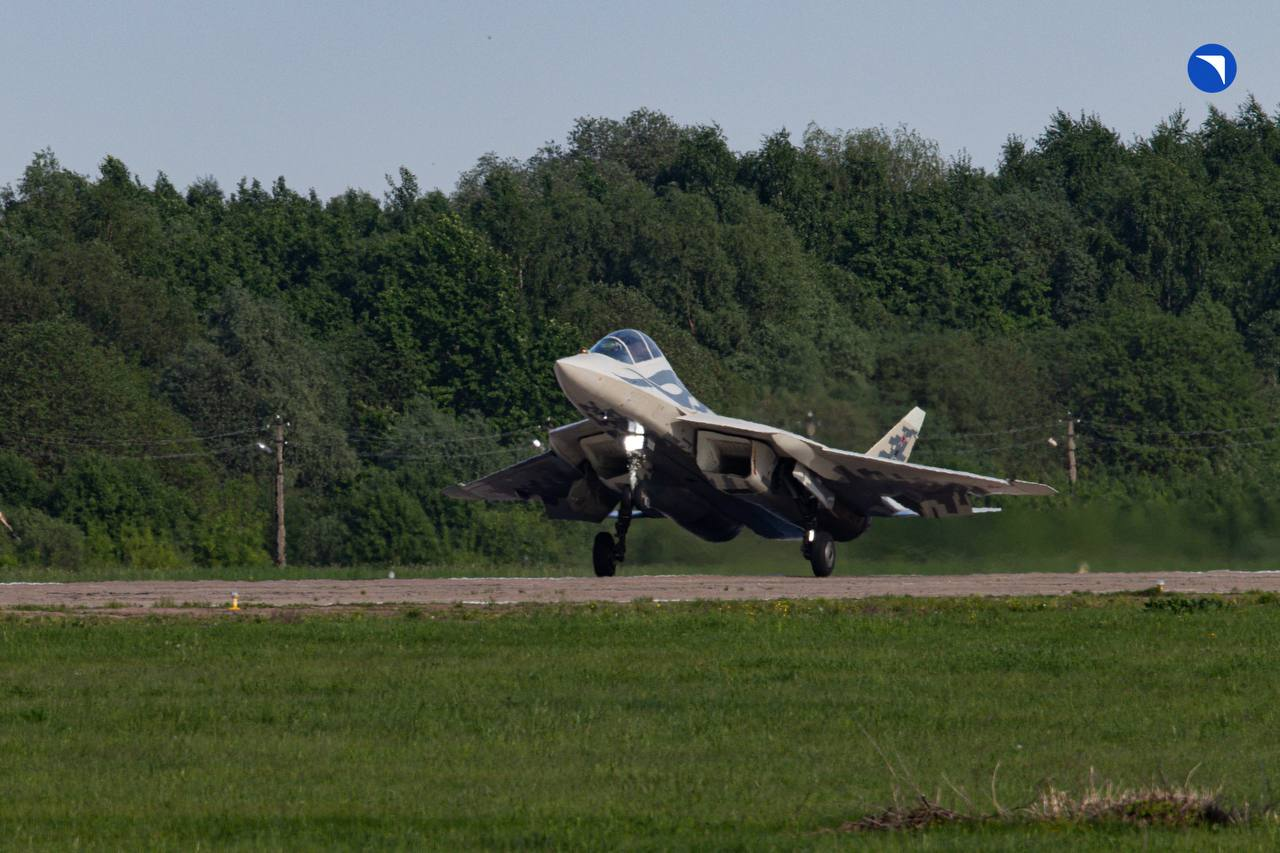
Bogdan emphasized that the fuselage extension for the second cockpit practically did not affect the aerodynamics: the maximum Mach number, climb rate, and maneuverability characteristics remained within calculated limits.
The main value of the two-seat configuration lies in its flexibility of combat application. The second workstation allows for the placement of an operator who can control a group of drones in real-time, process reconnaissance data, or coordinate strikes on multiple targets. This scheme has already been tested on the Su-30 and Su-34, but in the case of the Su-57D, it is implemented on a stealth platform with integrated avionics and artificial intelligence elements.
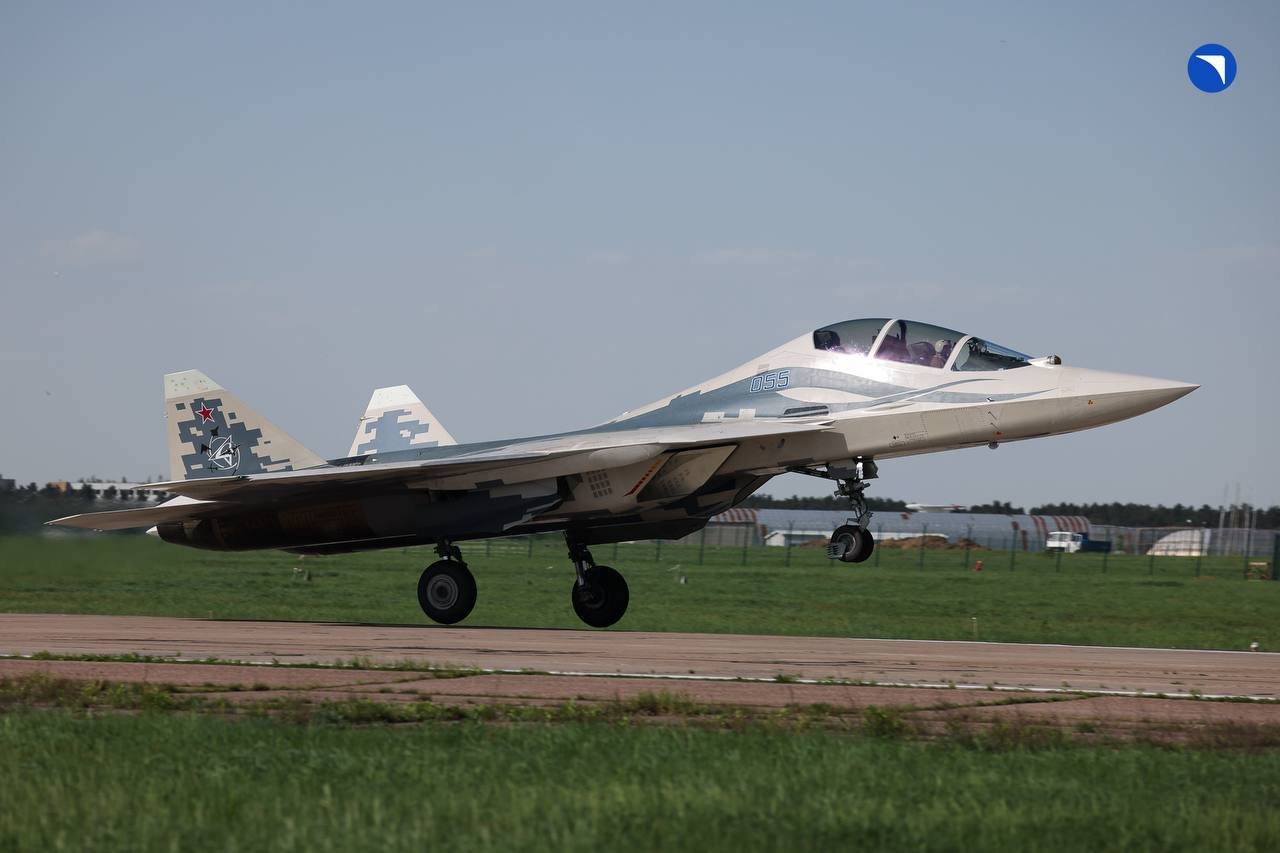
Now, thanks to the two-seat variant, commanders of flight units, regiments, and divisions will be able to actively participate in combat operations as observers. To be in the combat ranks and be a participant in the process itself. This is also one of the important factors.
Another scenario is the rapid retraining of pilots, including foreign customers. The two-seat variant lowers the entry threshold for countries that have not previously operated “Su” family equipment. An instructor can be in the rear cockpit, controlling the student's actions without risk to the aircraft and crew, the test pilot added.
Sergey Bogdan also stated that the technical groundwork for the Su-57D already takes into account future modernizations. In the future, this includes replacing hydraulics with an electro-remote control system, expanding the range of air-to-air and air-to-surface missiles, and integrating new algorithms for network-centric warfare.
Read more on the topic:
Never miss our newsAdd this site to your preferred sources to see us more oftenAdd on Google

















