Translated with AI from the Russian original.
The creators of the modern ground robotic complex "Kuryer" reminded that the roots of their development go back to the Soviet engineering school of the 1930s-1940s. It was then that the USSR became one of the world leaders in the field of telemechanics, creating serial models of radio-controlled armored vehicles.
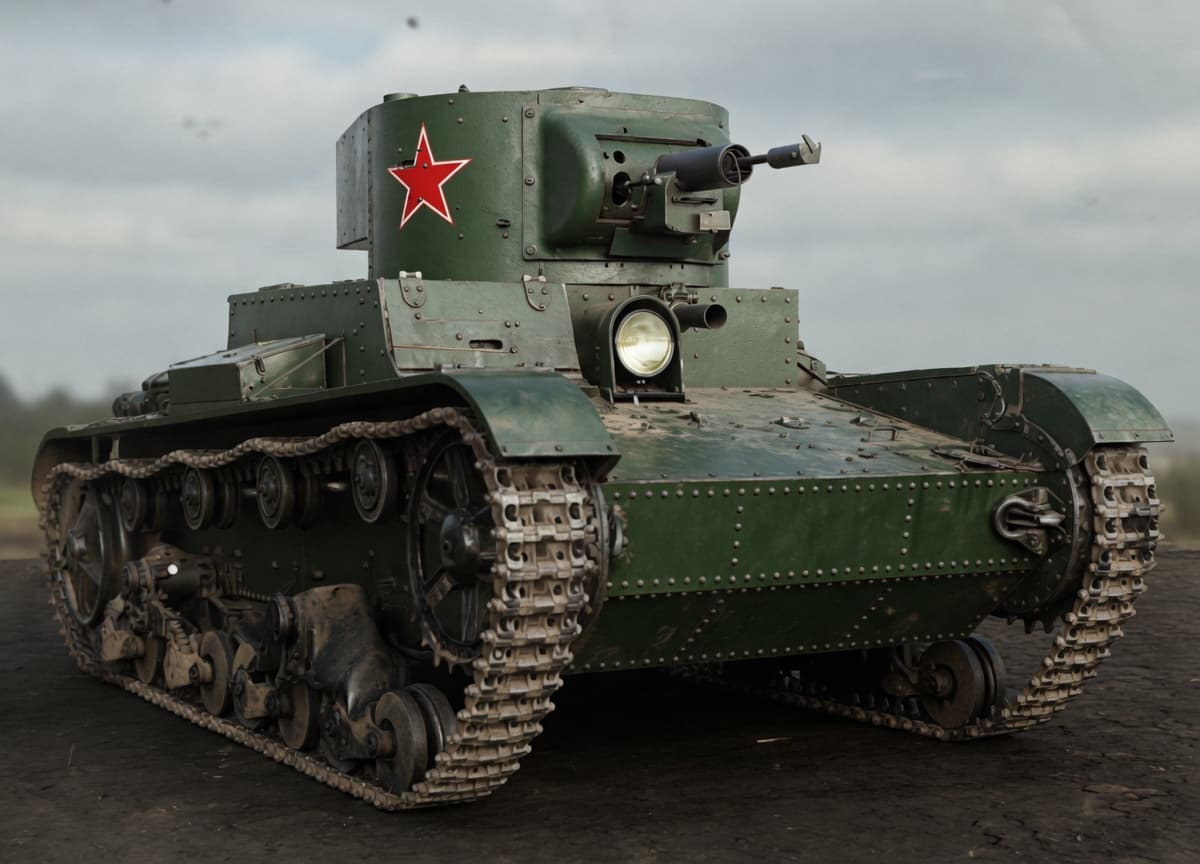
Engineers call the teletank TT-26 the direct ancestor of today's robotic platforms. The machine was mass-produced from the mid-1930s and operated in pairs: one tank housed the operator, the second went into attack without a crew, receiving commands via radio. The TT-26 could perform up to 20 different commands, including flamethrowing and charge detonation.
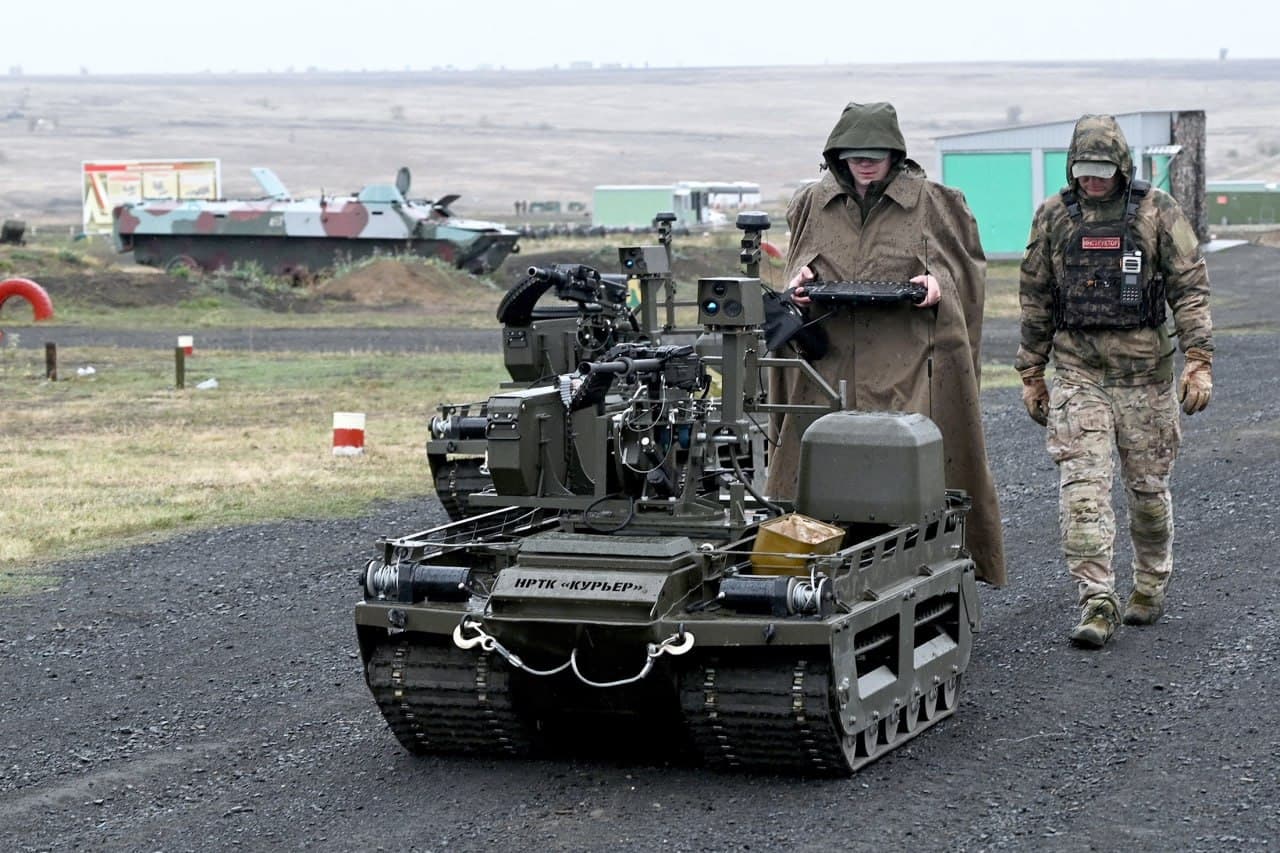
The modern "Kuryer", tested in real combat conditions in 2023–2024, solves the same tasks as its Soviet progenitor. The machine operates on the front line, lays mines, and supports troops with fire where it is too dangerous for a person to be. The key difference is size: while the TT-26 was a large vulnerable target, the "Kuryer" is made in the form of a compact low-profile platform.
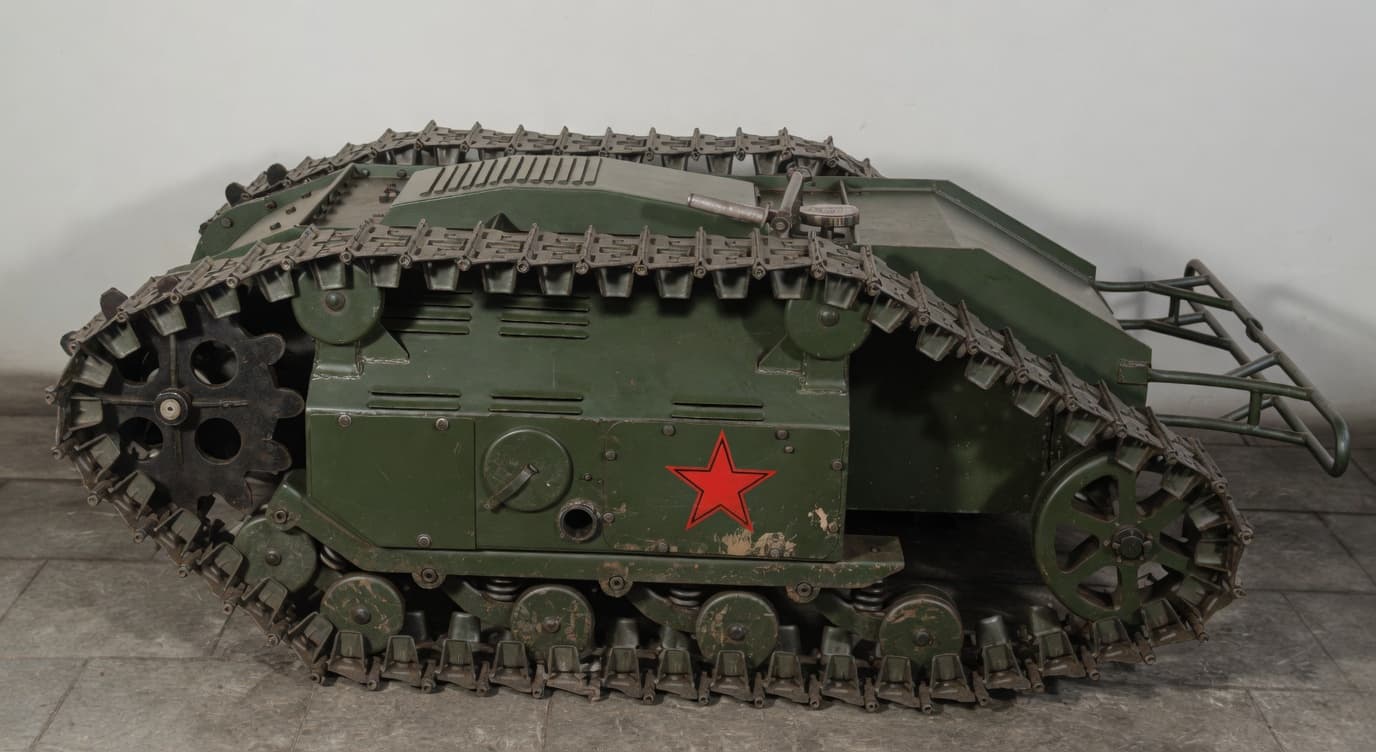
During the Great Patriotic War, there were also lighter remote-controlled devices – the ET-1-627 demolition tankettes of the 1941 model. They moved on electric motors and were controlled by wires. These small devices were used to destroy enemy fortifications and armored vehicles.
The current "Kuryer", equipped with anti-tank missile systems, an AGS-17 automatic grenade launcher, and electronic warfare systems, is called by the developers a direct heir to those small-sized devices. The only difference is the communication channel: instead of a wire, there are digital technologies.
The main difference remains "vision": the TT-26 operator in the 1940s controlled the machine visually, looking through binoculars, which limited the distance. Today's "Kuryer" gives the operator a real-time image from cameras. However, it was the Soviet experience that proved that a machine can replace a soldier in the thick of battle, laying the foundation for modern robotics in Russia.
Read more on the topic:
Never miss our newsAdd this site to your preferred sources to see us more oftenAdd on Google

















