Translated with AI from the Russian original.
On April 30, at 9:00 PM Moscow time, the medium-class launch vehicle "Soyuz-5" lifted off for the first time from the Baikonur Cosmodrome. The launch was conducted by the Roscosmos State Corporation as part of flight design tests of the new launch vehicle.
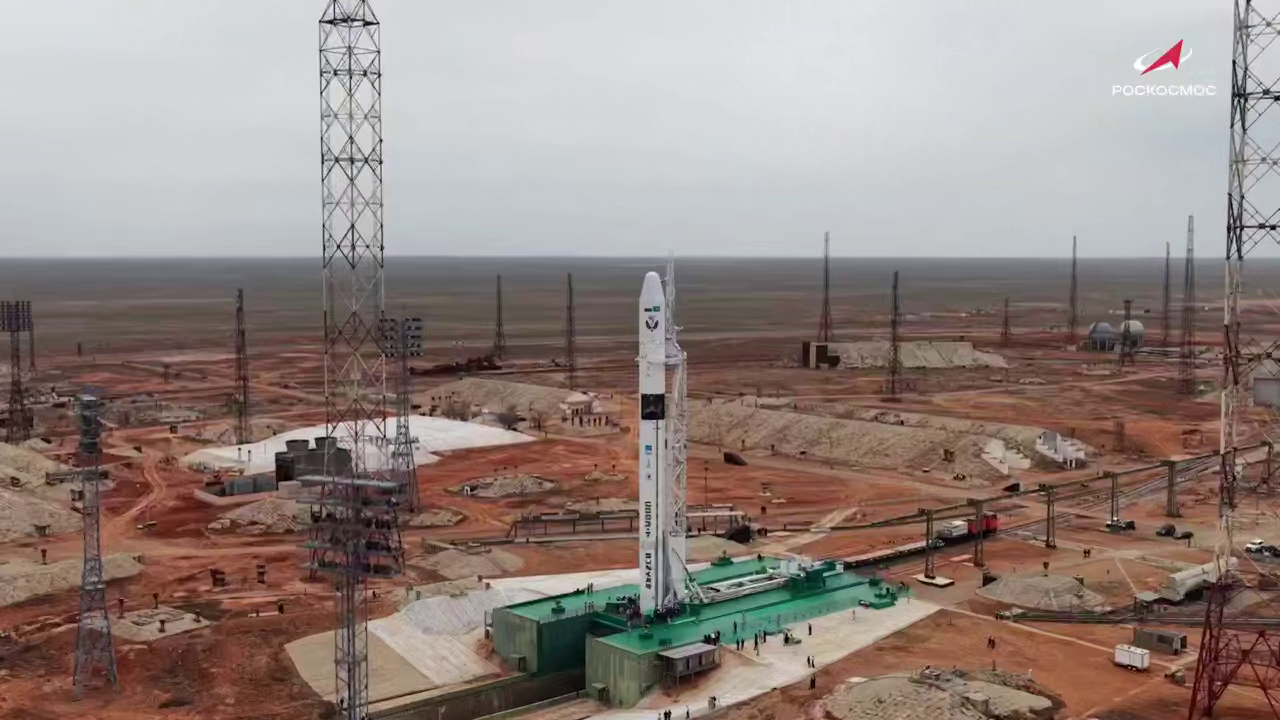
The launch took place from site 45 of Baikonur. In 9.5 minutes, the rocket delivered a full-scale mass-dimensional mock-up of the payload into a suborbital trajectory. Both stages operated without remarks, and the mock-up landed in a restricted area of the Pacific Ocean. Roscosmos confirmed: all systems worked as planned, and the mission objectives were achieved.
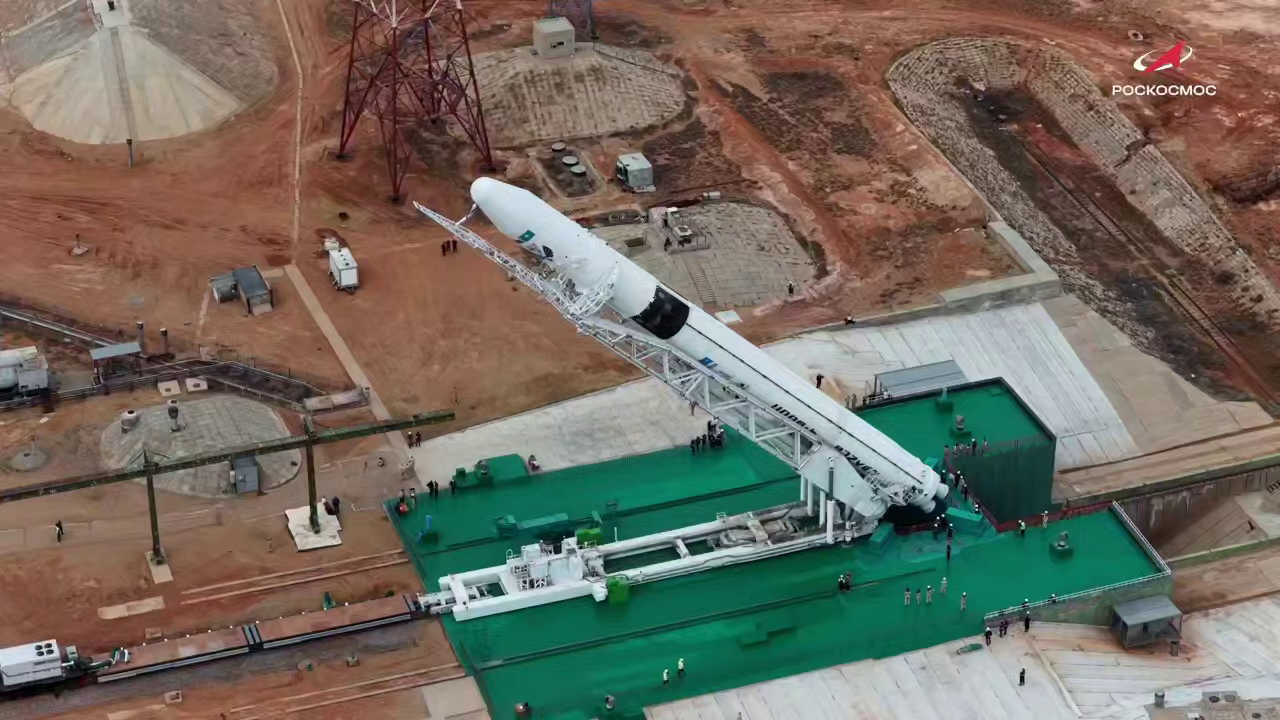
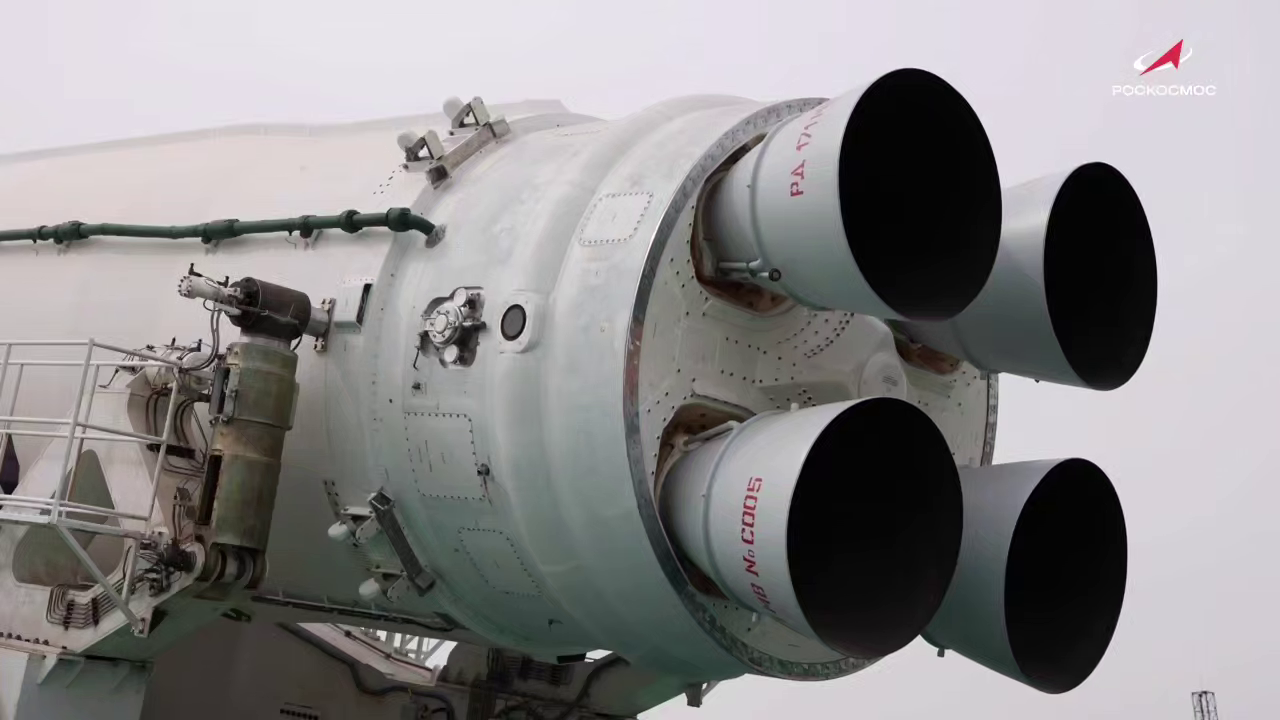
"Soyuz-5" is a development of the Samara RCC "Progress". It is a two-stage rocket with sequential staging, equipped with the most powerful liquid-propellant engine in the world. Its payload capacity is 17 tons, and its insertion accuracy is on par with the best global counterparts. When creating the launch vehicle, engineers relied on proven solutions and environmentally friendly fuel, which reduces environmental risks.
Dmitry Bakanov, head of Roscosmos, noted that the operation of "Soyuz-5" will reduce the specific cost of putting payloads into orbit, which will improve the economics of launches. The rocket was created jointly with Kazakhstan as part of the "Baiterek" project – its production will create new jobs in both countries and strengthen partnership in the space sector.
Blogger Valentin Petukhov (Wylsacom), who observed the launch at Baikonur, called the launch an important event for the industry. He emphasized that the rocket combines advanced technologies, including a fully automatic unmanned launch, and is designed to carry large payloads. According to him, the launch was made possible thanks to the coordinated work of hundreds of specialists who prepared the launch vehicle for its first flight.
Initially, the launch of "Soyuz-5" was planned before the end of 2025, but the deadlines were shifted for additional checks of onboard systems and ground equipment.
Read more on the topic:
Never miss our newsAdd this site to your preferred sources to see us more oftenAdd on Google

















