Researchers at St. Petersburg State University (SPbGU) have trained a neural network to analyze urination parameters from smartphone video. The new method is as accurate as traditional ones, the university's press service reported.
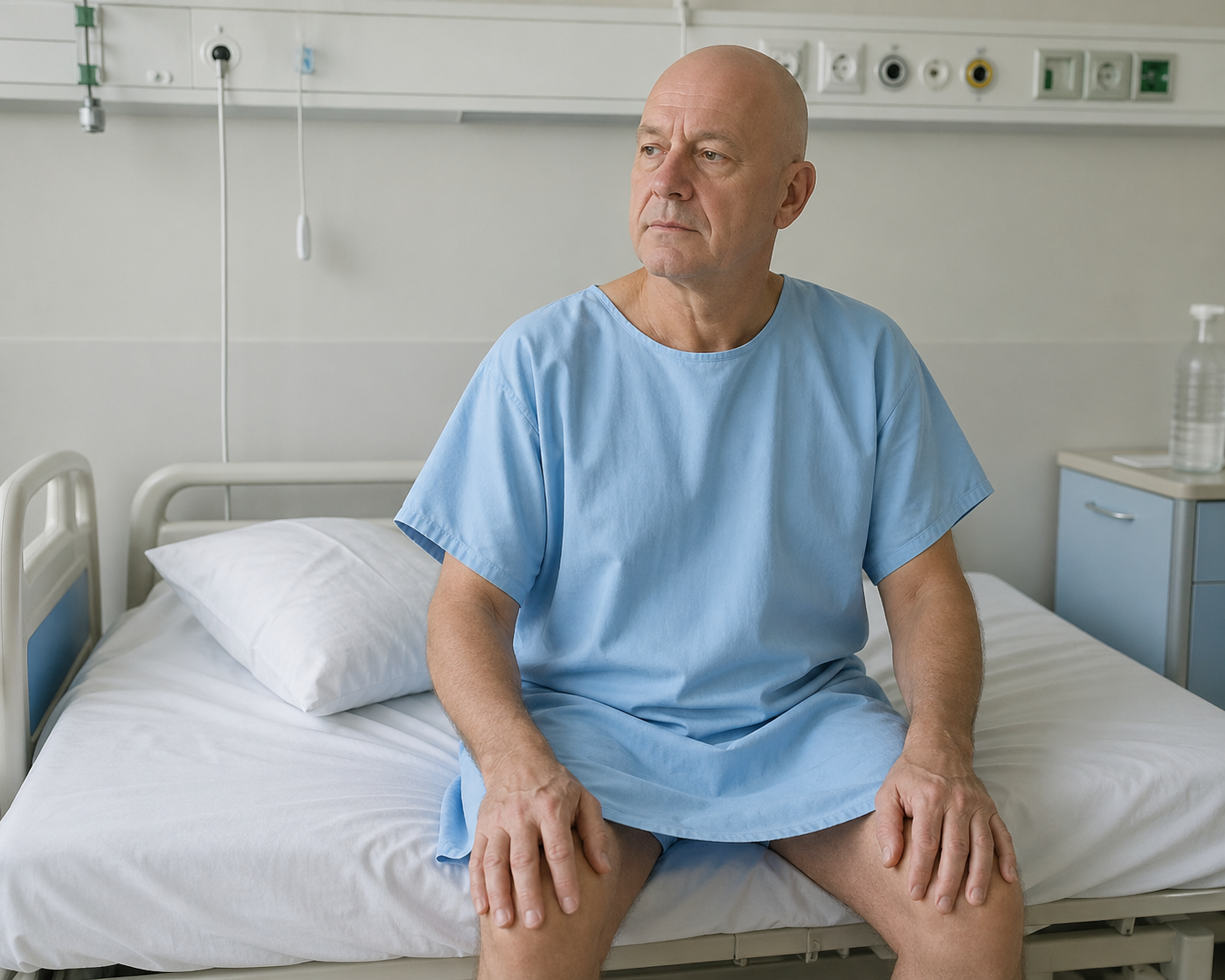
To train the neural network, scientists used data from 103 men aged 48-79 with symptoms of lower urinary tract dysfunction. Each of them underwent diagnosis by two methods – by recording urination on video, which was then analyzed by AI, and by a special device – a uroflowmeter.
Professor of the Department of Urology Nariman Gadzhiev said that the AI calculated the maximum urine flow rate. An independent expert who participated in the experiment conducted the analysis in the traditional way. It turned out that the AI's conclusions were comparable to the uroflowmeter's readings, with an average error of only 0.04 milliliters per second.
More than 2 billion people worldwide suffer from lower urinary tract dysfunction. They experience a decrease in urination speed. The uroflowmetry method is usually only used in a hospital setting. The development by St. Petersburg scientists helps to perform the test even at home.
At the same time, the average absolute percentage error of each individual measurement is only 4%. Such a deviation has no clinical significance in diagnosis.
Read more on the topic:
Never miss our newsAdd this site to your preferred sources to see us more oftenAdd on Google

















