Translated with AI from the Russian original.
The three-dimensional radar (radar) "Rodnik 3D", developed at the "Radar" Design Bureau, has successfully passed another stage of testing. This was reported by the press service of the State Military-Industrial Committee of Belarus.
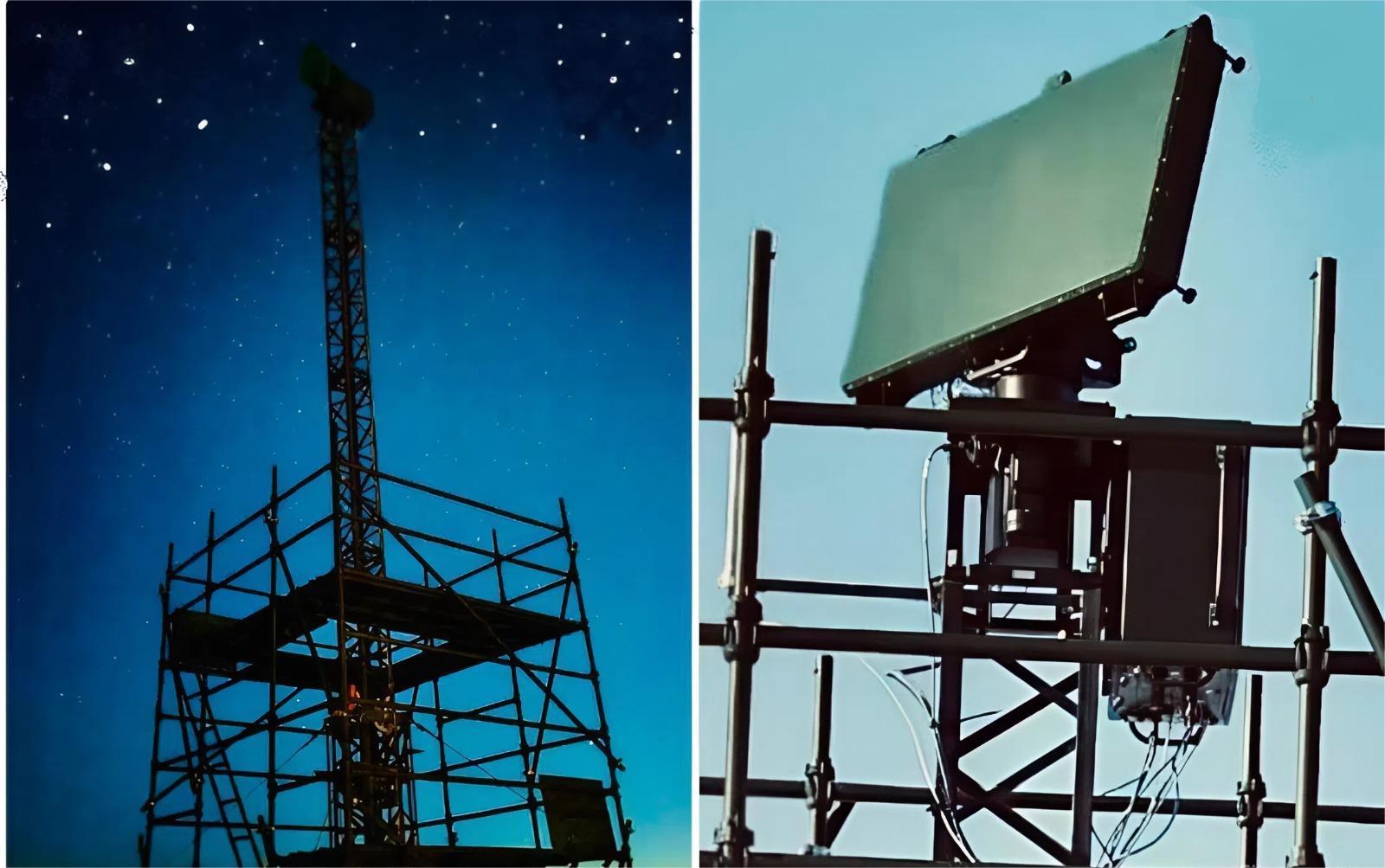
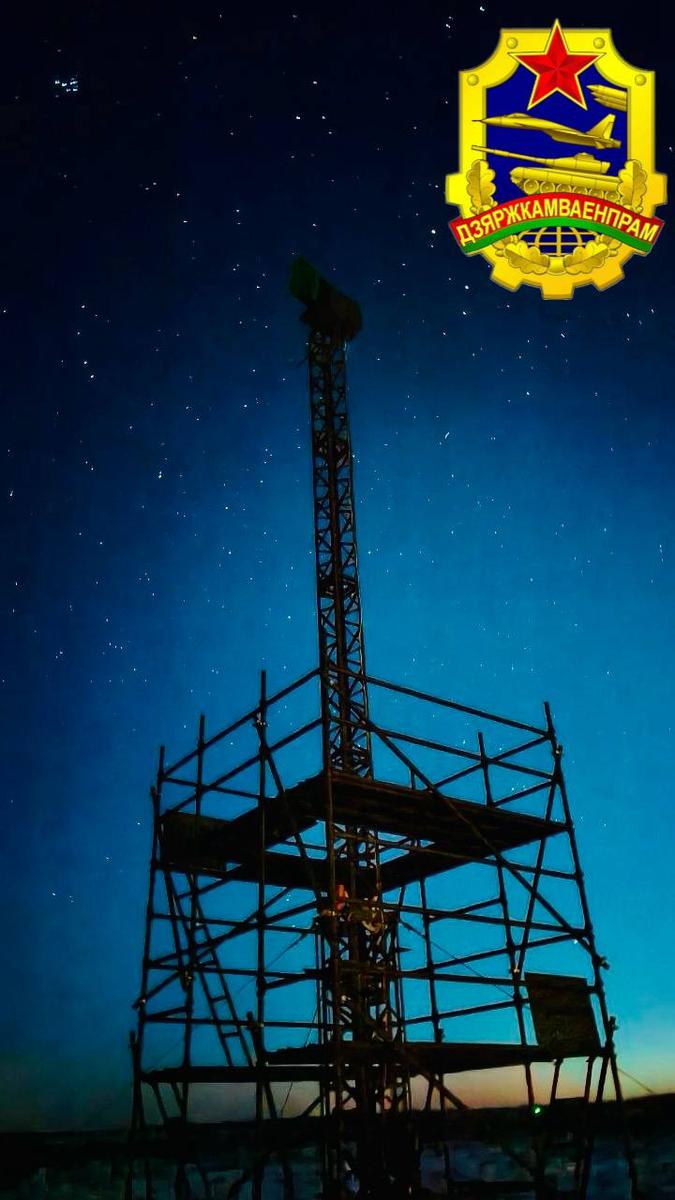
During the tests, the radar detected various types of airborne objects at low and extremely low altitudes. The tests were carried out in conditions of electronic warfare and at low temperatures (from -25° to 0°C).
Characteristics of "Rodnik 3D":
- detection and tracking of targets in automatic mode at low, medium and high altitudes
- range modes: up to 20 km — for drones and cruise missiles, up to 60 km — for large airborne objects
- determination of azimuth, range, angle, calculation of course, speed and altitude of the target
- coverage: 0–20° — for small low-flying targets, 0–45° — for long-range detection and high-altitude targets
- target class recognition without operator intervention
- possibility of placement on stationary (masts) and mobile platforms (chassis).
The universal mast "Unzha" is used to protect objects from ultra-low-altitude targets. With its help, "Rodnik 3D" rises to a height of up to 30 m.
The "Rodnik 3D" radar is based on an active phased antenna array (APAA). The digital control of the radar allows you to quickly change frequencies and adapt to new types of threats.
Read more materials on the topic:
- Belarusian engineers from ALEVKURP are developing the Klyon radar
- Three-coordinate radar "Vostok-3D" was shown in Belarus before MILEX-2025
- Mobile three-coordinate radar "Nebosklon" from the "Radar" Design Bureau was presented in Belarus
Never miss our newsAdd this site to your preferred sources to see us more oftenAdd on Google

















