Translated with AI from the Russian original.
Russian gunsmiths have begun producing thermobaric grenades for drones. New warheads for UAVs are being converted from grenade launcher rounds for the RPG-7 - namely, TBG-7 and RShG-2. After conversion, they received the designations KBCh-3 and TBBCh-2. They weigh about 4 and 2 kilograms, respectively.
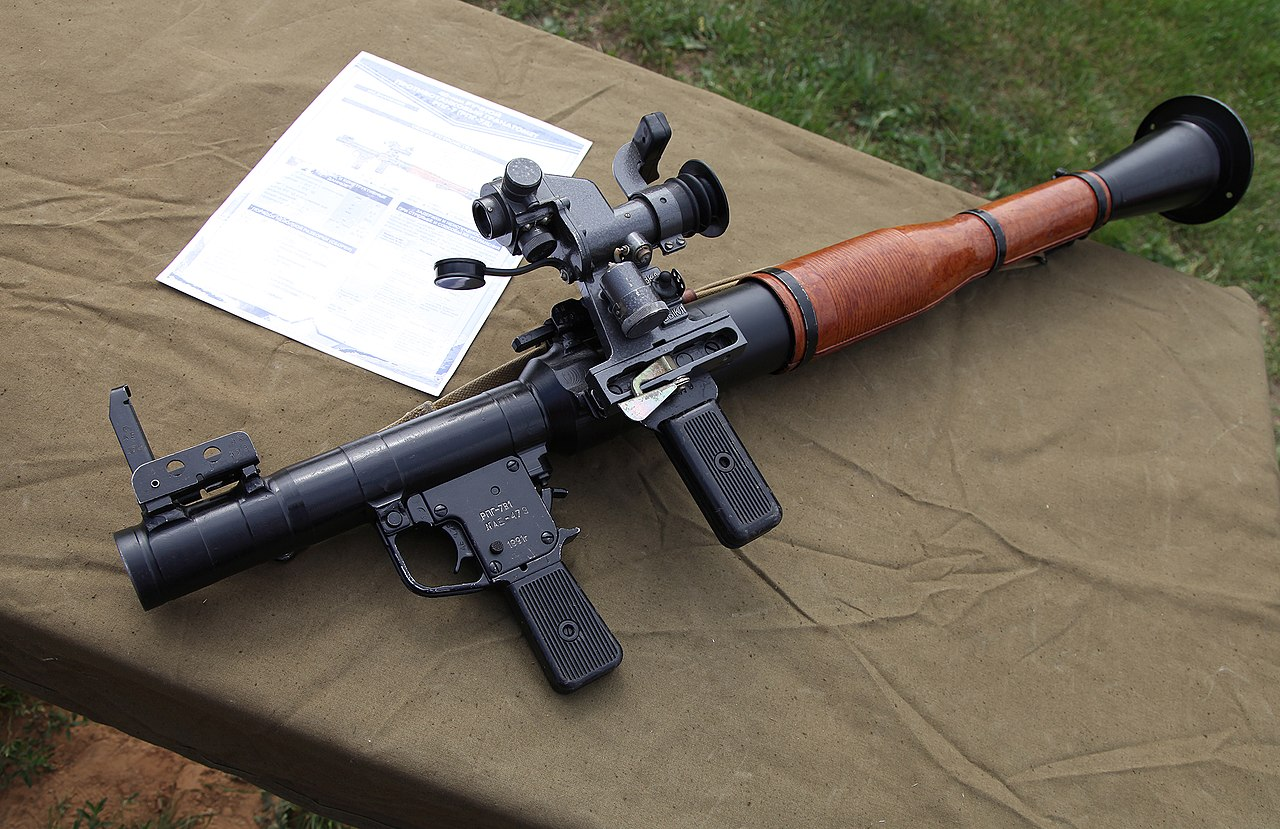
The modified munitions are adapted for suspension on commercial and military drones, which significantly expands the tactical capabilities of small-sized unmanned systems. The thermobaric effect provides a powerful damaging effect by creating an overpressure of 5000 kPa and a high-temperature impulse, especially effective in enclosed spaces and fortified structures. This solution allows the use of relatively affordable and mass-produced grenade launcher rounds in the new conditions of modern high-tech combat.
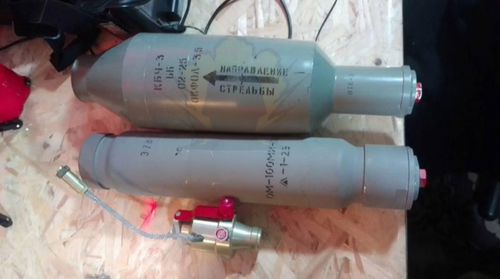
Further development of this concept may include the integration of similar munitions with more advanced guidance systems, allowing for increased accuracy in hitting targets at greater distances. In addition, options are being explored to reduce the weight and size of thermobaric charges without significantly losing their destructive power, which will pave the way for their use on even lighter and more maneuverable types of drones. Such developments demonstrate a desire to adapt time-tested solutions to the requirements of a new military paradigm, where drones play an increasingly important role.
Read more materials:
- Rostec has increased the production of high-tech drones
- Tula engineers have created an FPV interceptor drone that will become a serious threat to "Baba Yaga"
- Russian military used the "Courier" robot grenade launcher with AGS-17
Never miss our newsAdd this site to your preferred sources to see us more oftenAdd on Google

















