On September 11, 2025, the launch of the "Soyuz-2.1a" rocket with the "Progress MS-32" cargo ship is scheduled from the Baikonur Cosmodrome. The ship will deliver essential cargo for the crew of the International Space Station (ISS).
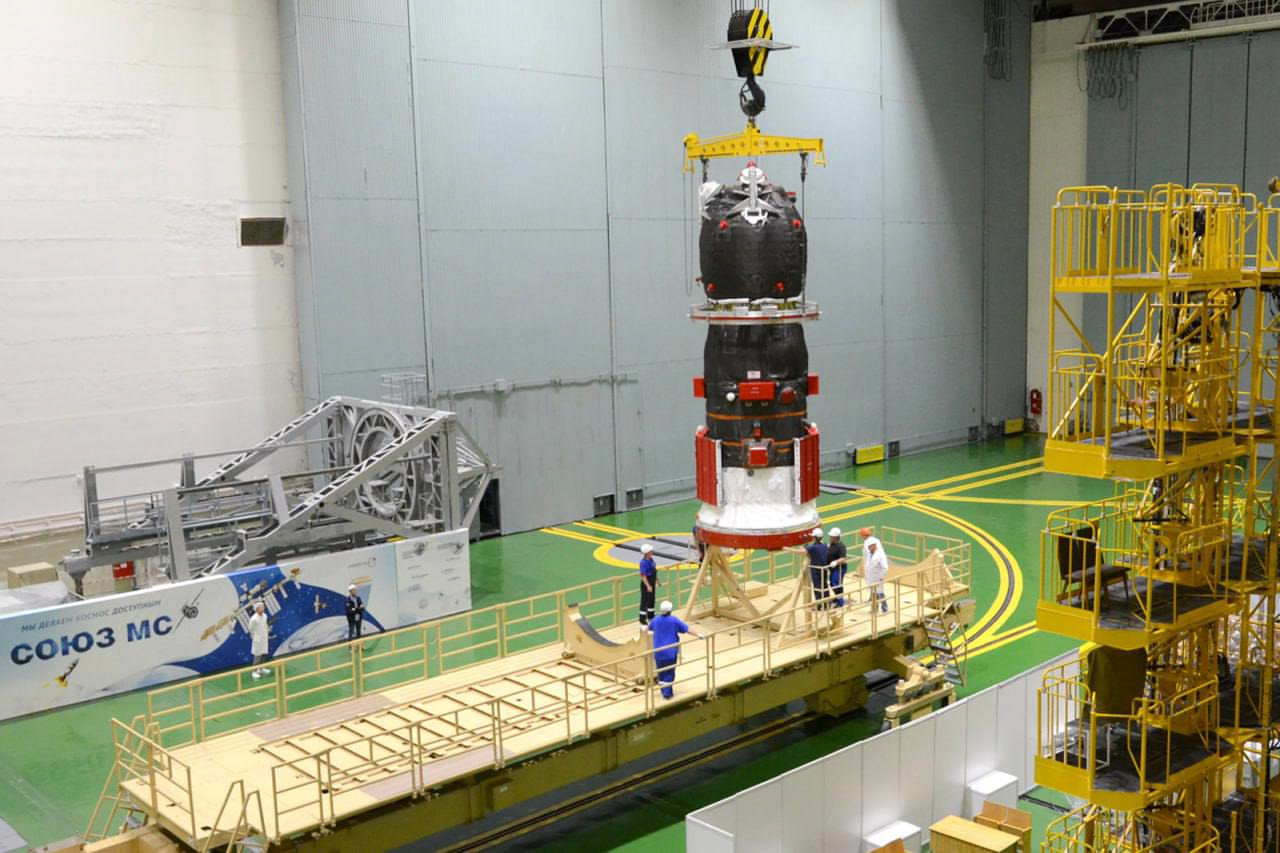
The ship has passed key stages of preparation. The testing of systems was completed at the "Energia" corporation, after which "Progress MS-32" was delivered to Baikonur. At the cosmodrome, the onboard systems and solar panels were checked, and fueling was also carried out. All procedures went as planned.
"Progress MS-32" will deliver cargo to the ISS, including food, equipment, and materials for scientific experiments. There is also a special cargo among them, details of which have not yet been disclosed. The launch broadcast will be available to a wide audience.
Ships of the "Progress" series regularly supply the ISS, providing the crew with everything necessary for work and life in orbit. The upcoming expedition continues this tradition, contributing to the functioning of the station.
Read more materials on the topic:
The future of space: Russia discusses space cooperation with other countries after the ISS
Never miss our newsAdd this site to your preferred sources to see us more oftenAdd on Google

















