Translated with AI from the Russian original.
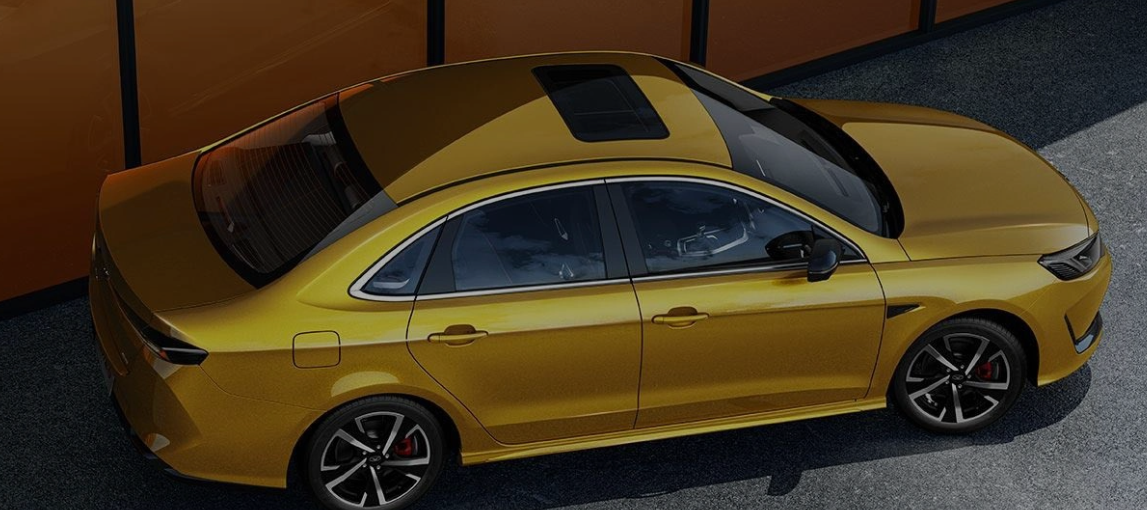
The Chinese auto company Kaiyi, which organized the assembly of cars at the "Avtotor" plant in Kaliningrad, plans to cease production and deliveries to the Russian market. The decision was made by the Chery concern, the owner of the Kaiyi brand. The main reason for leaving was that Kaiyi cars do not meet the requirements of consumers in Russia.
At the same time, the BAIC concern, which also produces cars at "Avtotor", decided to stay in the market and deepen the production process. BAIC plans to invest in the distribution and promotion of its cars in Russia. In 2025, the plant will begin producing a diesel version of the BAIC BJ60 SUV, and the release of a hybrid BAIC X75 crossover is also expected.
Information about the possible departure of Kaiyi and BAIC from the Russian market appeared in early 2025, when the large dealer holding "Rolf" refused to contract to sell these brands. As a result, in the first quarter of 2025 alone, Kaiyi and BAIC lost 20 and 15 car dealerships, respectively. Distributors of these brands also began offering significant discounts on their models, reaching 600 thousand rubles.
According to reports, in 2024, the Chinese companies BAIC and Kaiyi brought the "Avtotor" plant losses of about 4.3 billion rubles.
Read more on the topic:
Ministry of Defense Purchased Kaiyi E5 Sedans
Kaiyi and Xcite Entered the Top 15 Most Popular New Cars in Russia
Kaiyi Cars Recalled for Improvement in Russia
Never miss our newsAdd this site to your preferred sources to see us more oftenAdd on Google

















