Translated with AI from the Russian original.
Footage has surfaced online showing the "dismantling" of decommissioned Russian strategic missile carriers Tu-22M3 at the Vozdvizhenka airbase in Primorsky Krai. The airfield previously housed the 444th Berlin, Order of Kutuzov 3rd degree and Alexander Nevsky Heavy Bomber Aviation Regiment, which was disbanded in 2009.
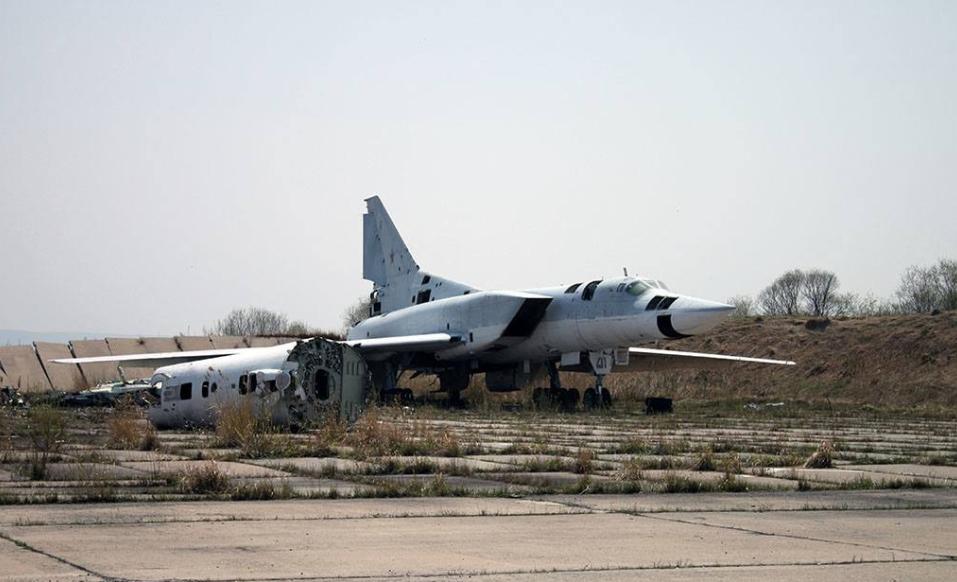
All aircraft that could not be relocated to other airbases were left at the airfield. Later, the missile carriers were disposed of.
The photos show that aircraft with numbers 21 and 24 were cut into separate parts and then, apparently, sent for scrap.
The Tu-22M3 series aircraft are designed according to an aerodynamic configuration with a low-wing variable sweep wing. The aircraft structure is made of titanium, aluminum and magnesium alloys, as well as heat-resistant and high-strength steels.
The missile carrier's armament includes the "Kinzhal" hypersonic complex, a twin-barreled GSh-23L 23 mm caliber cannon, free-falling naval mines or various types of aerial bombs.
Technical characteristics of the Tu-22M3:
- Engines - 2 TRDDF NK-25 Thrust - 2 x 25000 kgf
- Practical ceiling - 13.5 km
- Maximum speed - 2300 km/h
- Crew - 4 people
- Flight range - 5500 km
Earlierwww1.ru reported thatRussian combat FPV systems have been declared the standard for the whole world.
Read more materials:
Su-30SM2 fighters and Su-24M bombers practiced strikes against warships in the Baltic
Su-24 bomber flew at extremely low altitude and surprised fishermen
"Iglu" sharpened against "Baba Yaga": pocket air defense equipped with a new thermal imaging sight
Never miss our newsAdd this site to your preferred sources to see us more oftenAdd on Google

















