Translated with AI from the Russian original.
An arctic version of the Pantsir-SA anti-aircraft missile system (SAM) has been spotted near Moscow. The system reliably destroys aerial targets in the form of missiles and kamikaze drones.
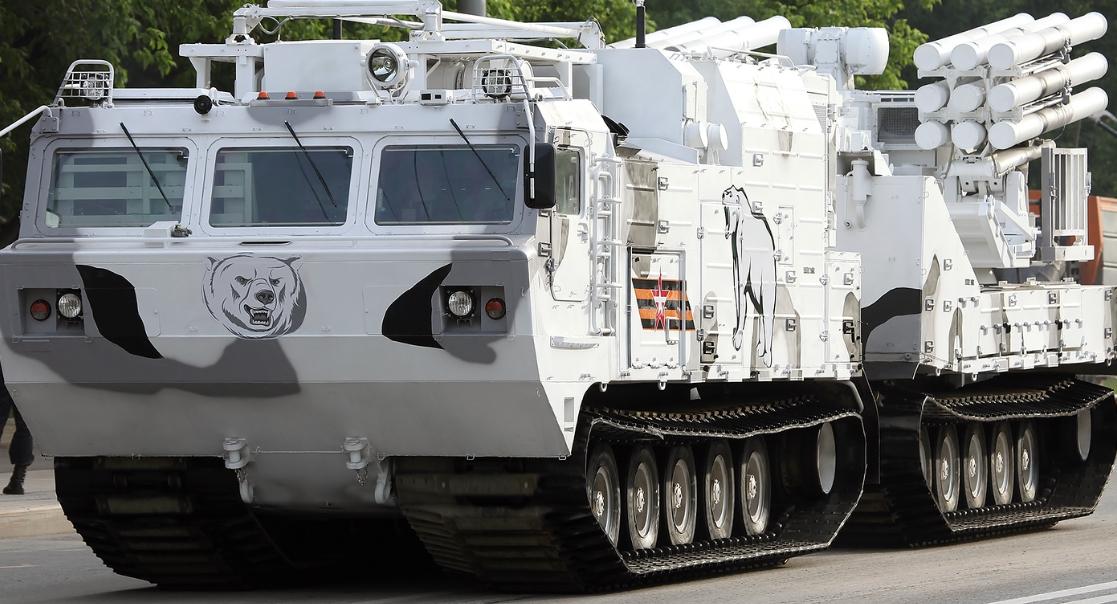
The anti-aircraft complex is installed on the chassis of a DT-30PM two-section articulated tracked vehicle.
The design differences of the combat module consist of the absence of 30-mm 2A38 anti-aircraft guns and the installation of six additional anti-aircraft missiles in their place. Thus, the total ammunition load increased from 12 to 18 57E6/M missiles.
The first division of such complexes, which entered service with the Kola Air Defense formation, took up experimental combat duty in the Northern Fleet in July 2019. But it was first presented to the general public at the Victory Parade in Moscow on May 9, 2017.
Earlierwww1.ru reported that the Russian T220 targeting pod was unexpectedly spotted on the Algerian Air Force MiG-29M.
Read also:
Sky Defender: the effectiveness of the Pantsir-C1M in real combat conditions has become known
MiG-29 and MiG-35 fighters will receive the MSP-418K active jamming station: what it is capable of
The latest drones "Goliath-R", "Karakurt-R" and "Quasimachta" from Kalashnikov will land in Abu Dhabi
Never miss our newsAdd this site to your preferred sources to see us more oftenAdd on Google

















